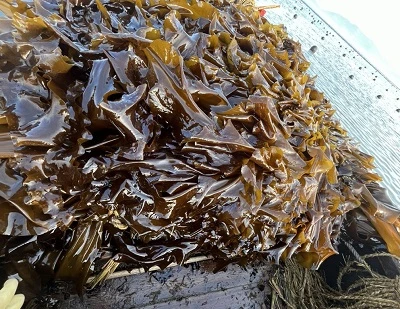
If you read one line, read this one: kelp is a type of seaweed, but not all seaweed is kelp.
People use the two words as if they mean the same thing. They do not. That mix-up causes real problems. A buyer may order "seaweed powder" and get a red algae with almost no iodine. A formulator may ask for "kelp extract" and receive a blend of three species with three different specs.
This guide clears up the confusion. You will learn what kelp is, what seaweed is, how their nutrients differ, and how kelp extract compares with seaweed extract. You will also get a simple buyer's checklist for sourcing bulk powder.
Key takeaways
Kelp is brown algae in the order Laminariales. Seaweed is the big group that holds brown, red, and green algae.
Kelp is the best known source of natural iodine. Levels vary a lot between species and harvests.
Red seaweeds give you carrageenan and agar. Brown seaweeds, including kelp, give you alginate, fucoidan, laminarin, and fucoxanthin.
For a supplement, a cosmetic, or a food recipe, the "better" choice depends on your goal, not on the trend.
What Is Kelp? Understanding Its Types, Nutrients, and Common Uses
Kelp is a large brown seaweed. It grows in cold, shallow ocean water that is rich in nutrients. It anchors to rocks on the sea floor and grows upward toward the light. Some kinds grow very fast. Giant kelp can grow up to about 2 feet in a single day.
Kelp often grows in dense groups called kelp forests. These underwater forests give food and shelter to fish, shellfish, and many other sea animals.

Common types of kelp
Kelp you will see on a spec sheet includes:
|
Common name |
Latin name |
Where it is used |
|
Kombu / Japanese kelp |
Saccharina japonica |
Food, broth, seasoning |
|
Sugar kelp |
Saccharina latissima |
Food, snacks, powders |
|
Oarweed / European kelp |
Laminaria digitata |
Alginate, supplements |
|
Giant kelp |
Macrocystis pyrifera |
Alginate, fertilizers, feed |
|
Wakame |
Undaria pinnatifida |
Food, soups, salads |
|
Rockweed (often sold as "kelp") |
Ascophyllum nodosum |
Animal feed, plant biostimulants, fucoidan |
What is inside kelp?
Dried kelp is mostly fiber. It also carries minerals and a few special compounds.
- Iodine. Kelp takes iodine out of seawater and stores it. This is why kelp powder is a common natural iodine source.
- Minerals. Calcium, magnesium, potassium, iron, and zinc.
- Fiber and polysaccharides. Alginate, laminarin, and fucoidan.
- Pigments and other compounds. Fucoxanthin, which gives brown algae its color, plus mannitol and small amounts of vitamins.
Because kelp holds so much iodine, dose control matters. That point comes up again later in this guide.
What Is Seaweed? Types, Nutritional Profile, and Main Applications
Seaweed is a wide, informal word. It means any large algae that grows in the sea. It is not one plant family. It is more like the word "vegetable."
The world farms a very large amount of seaweed. Global production is now well above 30 million metric tons per year in wet weight, and most of it comes from farming rather than wild harvest.
The three main groups of seaweed
|
Group |
Color |
Common examples |
Best known for |
|
Brown algae |
Brown |
Kelp, wakame, rockweed, hijiki |
Iodine, alginate, fucoidan |
|
Red algae |
Red / purple |
Nori, dulse, Irish moss (sea moss) |
Protein, agar, carrageenan |
|
Green algae |
Green |
Sea lettuce (Ulva) |
Fiber, minerals, umami flavor |
Here is the simple rule: all kelp is seaweed, and all kelp is brown algae. But seaweed can also be red or green.

What is inside seaweed?
Nutrition changes by group, species, season, and water. In general:
Protein. Red and green seaweeds often carry more protein than brown kelp. Dried nori can reach roughly 30–40% protein.
Fiber. Many seaweeds are 30–50% dietary fiber by dry weight. Some of that fiber is soluble, such as alginate or carrageenan.
Minerals. Calcium, iron, magnesium, potassium, and iodine. Iodine is usually highest in brown kelp.
Fat. Very low, usually a few percent. A small share of that fat is omega-3.
Vitamins. Vitamin K, folate, some vitamin C, and small amounts of B vitamins.
Kelp vs Seaweed: What Is the Difference Between Them?
The clearest way to see it is side by side.
|
Point |
Kelp |
Seaweed (the wider group) |
|
What it is |
One kind of brown algae |
All large marine algae: brown, red, green |
|
Size |
Large, can reach tens of meters |
From tiny film to giant kelp |
|
Color |
Brown |
Brown, red, or green |
|
Where it grows |
Cold, nutrient-rich coastal water |
Cold and warm seas, tidal zones, deep water |
|
Iodine level |
Usually high |
Varies. Low in many red and green species |
|
Main extracts |
Alginate, fucoidan, laminarin, fucoxanthin |
Alginate, agar, carrageenan, ulvan |
|
Typical use |
Iodine supplements, broth, thickeners, feed |
Food wraps, gels, snacks, cosmetics, fertilizers |
Kelp vs Seaweed: Key Differences in Nutrition and Bioactive Compounds
Let's look closer at the parts that formulators care about.
1. Iodine
Brown kelp holds far more iodine than red or green seaweeds. The range is wide. Dried kelp can run from a few hundred to several thousand micrograms of iodine per gram, depending on species, water, and how it was dried.
Adults need about 150 micrograms of iodine per day. The safe upper limit for adults is 1,100 micrograms per day. That means a single gram of a strong kelp powder can go past the daily upper limit.
Buyer tip: ask your kelp powder supplier for a tested iodine value on every batch. Blanching or soaking can lower iodine. Some makers sell "low-iodine" or blanched kelp powder for food use where flavor and safety limits matter more than iodine content.
2. Fiber and hydrocolloids
- Alginate comes from brown algae, including kelp. It thickens and gels. Food, dental molds, and wound dressings all use it.
- Carrageenan and agar come from red seaweeds. Dairy drinks, jellies, and lab gels use them.
- Ulvan comes from green seaweeds. It is newer to the market and is being studied for food and cosmetic uses.
3. Special bioactive compounds
- Fucoidan. A sulfated fiber found mostly in brown seaweeds. It is one of the most requested compounds in the supplement world.
- Fucoxanthin. The brown-orange pigment in brown algae. It is sold as a standardized extract.
- Laminarin. A beta-glucan storage fiber in brown algae.
- Phycoerythrin. A red pigment from red algae, used as a natural color and in research kits.
What Are the Potential Benefits of Kelp and Seaweed?
Science is still growing here. Most results come from lab and animal work. Human trials are fewer and often small. So read these as possible benefits, not promises.
- Thyroid support. Iodine helps the thyroid make hormones. Kelp is a well known natural iodine source. Too much iodine can also cause problems, so dose matters.
- Gut health. Seaweed fiber feeds gut bacteria. Soluble fibers such as alginate may add bulk and soften stool.
- Mineral intake. Seaweed supplies calcium, iron, magnesium, and potassium. This helps people who eat little seafood or few vegetables.
- Antioxidant activity. Compounds like fucoxanthin, fucoidan, and seaweed polyphenols act as antioxidants in lab studies.
- Skin care. Seaweed extracts help hold water in the skin. That is why they show up in masks, gels, and serums.
- Weight and blood sugar. Early human studies on fucoxanthin and brown seaweed fibers show small effects. The evidence is not strong yet.
These statements have not been evaluated by the Food and Drug Administration. This product is not intended to diagnose, treat, cure, or prevent any disease.

Kelp vs Seaweed: How Are They Used in Food, Supplements, and Cosmetics?
1. Food
- Whole food. Kombu for broth, wakame for soup and salad, nori for sushi wraps, dulse as a snack.
- Texture. Alginate thickens sauces and makes gels. Carrageenan holds dairy drinks together. Agar sets jellies.
- Flavor. Seaweed is rich in glutamates. It gives a savory, umami taste. Food makers use kelp powder to cut salt while keeping flavor.
- New formats. Kelp noodles, seaweed chips, seaweed salt, and plant-based seafood.
2. Supplements
Iodine tablets and powders made from kelp.
Fucoidan capsules, usually from brown seaweeds such as Fucus, Ascophyllum, Laminaria, or Undaria.
Green powders and smoothie blends that use kelp, spirulina, and chlorella.
Sea moss gels, made from red algae such as Chondrus crispus.
3. Cosmetics
Alginate masks that peel off in one piece.
Seaweed extracts in serums and creams for hydration and skin feel.
Thalassotherapy spa wraps that use warm seaweed pastes.
Natural color and texture in soaps and scrubs.
4. Beyond food and beauty
Seaweed also goes into plant biostimulants, animal feed, and bioplastics. These uses drive a large share of bulk volume worldwide.
Kelp Extract vs Seaweed Extract: How Do They Compare?
|
Point |
Kelp extract |
Seaweed extract |
|
Source |
One named kelp species |
One species or a blend. Could be brown, red, or green |
|
Typical markers |
Iodine, alginate, fucoidan, laminarin, fucoxanthin |
Varies by species. Protein, agar, carrageenan, pigments |
|
Consistency |
Easier to standardize |
Depends on how broad the blend is |
|
Best for |
Clear targets: iodine, fucoidan, alginate |
Broad mineral or fiber profiles, texture systems |
|
Watch out for |
Iodine overload |
Vague labeling with no Latin name |
What to check before you buy bulk powder?
Use this checklist with any kelp extract powder manufacturer or wholesale seaweed powder supplier.
- Latin name of the species. Common names are not enough.
- Extraction method. Water, hot water, ethanol, alkaline, or enzyme based. Each one pulls out different compounds.
- Standardization. Ask for a real number, such as fucoidan 85%, or iodine in micrograms per gram.
- Concentration ratio. 10:1 and 4:1 mean different strengths. Compare like with like.
- Mesh size and solubility. This changes how the powder behaves in a drink, capsule, or cream.
- Safety tests. Heavy metals (arsenic, cadmium, lead, mercury), microbes, moisture, and solvent residues.
- Certifications. USDA or EU organic, ISO 22000 or FSSC 22000, HACCP, Kosher, Halal.
- Documents. Certificate of analysis, spec sheet, allergen statement, and origin traceability.
- Supply terms. Minimum order quantity, lead time, sample policy, and OEM or private label support.
A note on safety. Seaweed can take up minerals from the sea, including arsenic and cadmium. Iodine and inorganic arsenic are the two points regulators watch most. A good supplier tests for both and shares the results.

How to Choose Between Kelp and Seaweed for Different Applications
|
If your goal is... |
Choose |
Why |
|
A natural iodine supplement |
Kelp (Laminaria or Saccharina) |
Highest natural iodine levels |
|
Fucoidan or fucoxanthin |
Brown kelp extract |
These compounds concentrate in brown algae |
|
A thickening or gelling system |
Kelp for alginate; red seaweed for agar and carrageenan |
Different hydrocolloids, different textures |
|
Protein and umami flavor |
Red seaweed such as nori or dulse |
Higher protein, strong savory taste |
|
Cosmetic hydration and masks |
Alginate-rich kelp extract |
Forms films and holds water well |
|
A mineral-rich green blend |
Mixed seaweed powder |
Wider mineral and fiber range |
|
Plant biostimulant or animal feed |
Ascophyllum nodosum |
Long record of use in both fields |
|
Low-iodine food seasoning |
Blanched kelp or red seaweed |
Lower iodine, milder taste |
Kelp vs Seaweed: Which One Is Better for Your Needs?
There is no single winner. The better choice depends on what you are making.
- Choose Kelp If: You are formulating targeted dietary supplements for thyroid health, metabolic support, immune wellness, or premium firming skincare products requiring high fucoidan or iodine activity.
- Choose Seaweed If: You require multi-mineral plant blends, natural thickening or stabilizing agents, hydrating skincare formulations, or broad nutritional green superfood powders.
FAQ
1. Is kelp a type of seaweed?
Yes. Kelp is brown algae, and brown algae is one of the three main groups of seaweed.
2. Which has more iodine, kelp or seaweed?
Kelp usually has much more. Red and green seaweeds are often low in iodine.
3. Can you eat kelp every day?
Small food amounts are fine for most people. Large daily doses of kelp powder can push iodine above the safe upper limit. Ask a health professional if you plan to supplement.
4. Is kelp extract safe?
It can be, when the maker tests it. Look for batch testing on iodine and heavy metals.
5. Does seaweed contain vitamin B12?
Some seaweed contains B12-like compounds that the body may not use well. Do not count on seaweed as a B12 source.
6. What is the difference between kelp extract powder and kelp powder?
Kelp powder is dried, milled whole kelp. Kelp extract powder is made by extracting target compounds, then drying them into a powder. The extract is usually stronger in the target compound.
Ready to Source Kelp or Seaweed Powder in Bulk?
We are a manufacturer of plant extract powders. We supply food, supplement, and cosmetic brands worldwide.
Contact our technical sales team today to request free samples, access detailed specification sheets, or discuss custom OEM formulation for your next batch.
Related sources: The Science Behind Red Algae Extract: Bioactive Compounds and Skincare Benefits
References
National Oceanic and Atmospheric Administration (NOAA). What Is Kelp? Ocean Facts and Kelp Forest Habitat Descriptions. U.S. Department of Commerce.
Food and Agriculture Organization of the United Nations (FAO). The Global Status of Seaweed Production, Trade and Utilization. Globefish Research Programme, Volume 124. Rome: FAO, 2021.
Food and Agriculture Organization of the United Nations and World Health Organization (FAO/WHO). Report of the Expert Meeting on Food Safety for Seaweed: Current Status and Future Perspectives. Food Safety and Quality Series, No. 13. Rome: FAO and WHO, 2022.
National Institutes of Health, Office of Dietary Supplements. Iodine: Fact Sheet for Health Professionals. Bethesda, MD: National Institutes of Health.
Brown, E. M., Allsopp, P. J., Magee, P. J., Gill, C. I., Nitecki, S., Strain, C. R., & McSorley, E. M. "Seaweed and Human Health." Nutrition Reviews, 72(3), 2014.