Why So Many Sleep Brands Use This Flower
Walk down the supplement aisle. Open any sleep gummy label. You will see the same names again and again: melatonin, magnesium, valerian, and passionflower extract.
Why do brands keep picking passionflower (Passiflora incarnata)? It is not hype. This climbing vine from the Americas has a long history in folk medicine. Today, real lab work backs it up. It is gentle. It mixes well with other herbs. And it is easy to buy in bulk at a fair price.
This guide is written for supplement brands, formulators, and sourcing teams. We will cover what passionflower extract is, how it works in the brain, what the research says, how it compares to valerian, and what to check before you buy. By the end, you will know exactly what to ask your supplier.
What Is Passionflower Extract?
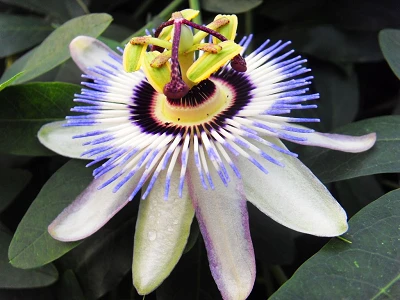
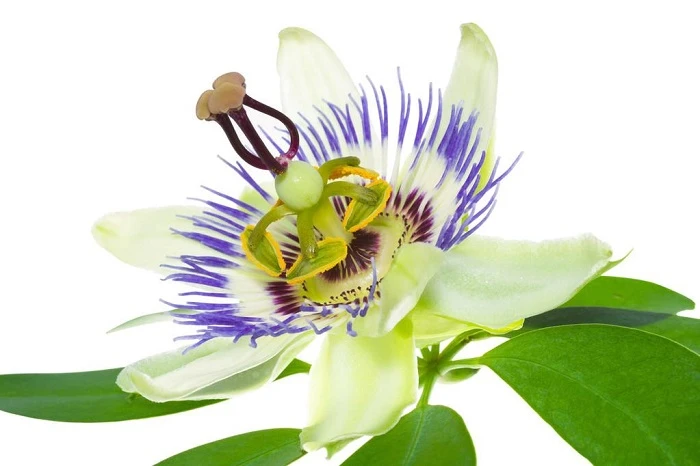
Passionflower is a woody vine with white and purple flowers. Its Latin name is Passiflora incarnata. People also call it maypop, passion vine, or apricot vine.
Native people in North, Central, and South America used the leaves, stems, and flowers for centuries. They brewed them into tea to calm nerves and to help with rest. Spanish explorers brought the plant to Europe in the 1500s. It then became part of European herbal tradition.
Sourcing note: Always confirm the botanical source. Passiflora incarnata L. is the species named in the research and in most pharmacopoeias. Some suppliers list Passiflora caerulea instead. Ask your supplier for the exact Latin name on the certificate of analysis (COA). This small step protects your label claim.
Flavones and GABA
Two things make passionflower work.
Flavones. These are plant compounds with antioxidant and calming effects. The key one is vitexin (also called apigenin-8-C-glucoside). Standard extracts are often sold as "4% flavones" or "5% flavones."
GABA (gamma-aminobutyric acid). GABA is a messenger in the brain. Think of your brain cells as kids running around a playground. GABA is the teacher who tells them to settle down. When GABA is active, nerve cells fire less. You feel calmer. Passionflower contains measurable GABA, which is unusual for a plant.
How Passionflower Extract Works: Helping the Brain Tap the Brakes
When you are under excessive stress or experiencing mental tension, your brain goes into overdrive, causing nerve cells to fire too rapidly. Compounds found in passionflower can help slow down this signal transmission, primarily in the following three ways:
They bind to GABA-A receptors. This makes the brain more sensitive to GABA's "calm down" message.
They slow GABA reuptake. The body clears GABA more slowly, so the calm signal lasts longer.
They may gently raise GABA levels in the spaces between nerve cells.
This is not like a prescription sleeping pill. A sleeping pill forces the system down. Passionflower nudges your own system back toward balance. That is why users rarely feel groggy or "hung over" the next morning.
Research Related to Passionflower Extract
Let us look at the actual human studies.
1. Better Sleep Quality
In a 2011 study, healthy adults drank one cup of passionflower tea each night for seven nights. They logged their sleep in a diary. The group rated their sleep quality higher than the placebo group. This was a small study, but it was double-blind and placebo-controlled - the gold standard in research.
2. Calmer Mood
A 2001 pilot trial compared passionflower extract to oxazepam, a common anti-anxiety drug. Both groups improved over four weeks. The passionflower group reported less job-related impairment. Side effects were also milder.
3. Pre-Surgery Jitters
A 2008 study gave passionflower extract to patients before outpatient surgery. The extract reduced anxiety compared with placebo. Several other trials found the same effect before dental work.
4. Gentler Than Many Options
Compared with valerian or kava, passionflower effects tend to be milder. For daytime stress formulas, that mildness is a plus. Your customer stays clear-headed.
Compliance note: These studies test finished products and extracts. They are not claims your finished product can automatically make. Statements about dietary supplements have not been evaluated by the FDA. Work with your regulatory team on label language.

Typical Serving Sizes Used in Studies
Your formulator will want these numbers.
|
Use studied |
Amount used |
How long |
|
General anxiety |
400 mg of extract, twice daily |
2–8 weeks |
|
Pre-surgery or dental anxiety |
260–1,000 mg, taken 30–90 minutes before |
Single dose |
|
Sleep quality (tea) |
One cup of herbal tea nightly |
7 nights |
|
Liquid extract |
About 45 drops daily |
Up to 1 month |
Most brands land somewhere between 250 mg and 500 mg per serving. Always check your extract ratio. A 10:1 extract is stronger by weight than a 4:1 extract.
Passionflower vs. Valerian vs. Lemon Balm: Which One Wins?
This is one of the most searched questions about calming herbs. The honest answer: they do different jobs.
|
Herb |
Main strength |
Best for |
Watch out for |
|
Passionflower |
GABA support, mild relaxation |
Daytime stress, mild sleep trouble |
Very gentle; may need blending |
|
Valerian root |
Stronger sedation, may raise natural melatonin |
Deep sleep, waking at night |
Strong smell; can cause grogginess |
|
Lemon balm |
Fast mood lift, focus |
Daytime calm and attention blends |
Mild alone |
|
Chamomile |
Familiar, low cost, good taste |
Teas, bedtime powders, kids lines |
Weak as a stand-alone |
Smart Blends: The 1 + 1 = 3 Effect
Single herbs rarely solve modern stress problems. Blends work better. Here are blends that sell:
Passionflower + valerian root. Valerian supports the melatonin pathway. Passionflower supports the GABA pathway. Together they cover falling asleep and staying asleep.
Passionflower + lemon balm. A classic European calm formula. Great for daytime gummies and chewable tablets.
Passionflower + L-theanine. L-theanine takes the edge off right now. Passionflower supports long-term nerve balance. Together they break the "stress → bad sleep → more stress" loop.
Passionflower + chamomile + magnesium. A safe, familiar bedtime powder or hot cocoa mix. Easy to flavor and easy to sell.
Want to see the full ingredient catalog? Browse our dietary supplement ingredients page. We stock valerian root extract and lemon balm extract too, so you can source all three from one factory.
How to Buy Passionflower Extract Wholesale: A Buyer's Checklist
This is where many brands lose money. Use this checklist before you sign a purchase order.
1. Lock the spec first. Ask for standardized passionflower extract 4% flavones or 5% flavones, or a ratio extract such as 5:1, 10:1, or 20:1. Standardized extracts cost more per kilo. They also give you a label claim you can defend.
2. Check the test method. Flavones tested by UV can read higher than tests run by HPLC. UV picks up more compounds. Always ask which method the COA used. Then compare apples to apples when you shop for passionflower extract bulk price.
3. Read the COA line by line.
4. Verify identity. HPTLC fingerprinting proves your powder is really Passiflora incarnata. Skip this and you risk admixing with cheaper plants.
5. Ask about certificates. Depending on your market, ask for USDA Organic, EU Organic, ISO, HALAL, KOSHER, and FSSC22000. A real passionflower extract manufacturer will send scans the same day. Delays here usually mean gaps.
6. Talk about MOQ and samples early.
7. Price the total landed cost.
Why Buy Organic Passionflower Extract Powder Wholesale from Undersun
Undersun Biomedtech Corp. has made plant extracts since 2004. Here is what that means for your next sleep or mood launch:
20+ years of production experience, with our own organic planting base for traceability
3,000 tons of annual capacity, so large orders do not stall
Independent lab for one-by-one inspection, to drive defect rates to zero
A professional QA & QC team of 200+ technical staff
Certifications: USDA Organic, EU Organic, FDA-registered, HALAL, KOSHER, and FSSC22000
50+ patents backing our R&D
A U.S. warehouse for fast delivery and simple reordering
Custom specs, private label, and OEM/ODM support for your unique formula
Our organic passionflower extract is a light brown fine powder with 98% passing through an 80-mesh sieve; it has a shelf life of 24 months and is in stock at our Los Angeles warehouse.
Whether you are launching your first sleep product or restocking a best-seller, our bulk passionflower extract powder meets your needs. Contact us today for samples and a quote!
Frequently Asked Questions
1. What does passionflower extract do?
It supports calm and better sleep. It works mainly through the GABA system in your brain.
2. Is passionflower safe?
For most adults, yes. Studies tested daily use of extract for up to eight weeks. Some people feel mild sleepiness or dizziness. Avoid before driving. Pregnant and nursing women should avoid it. Talk to a doctor if you take sedatives or have heart rhythm issues. Avoid it two weeks before surgery.
3.How much passionflower extract per serving should I use?
Most brands use 250–500 mg of a standardized extract per serving. Clinical studies used 400 mg twice daily.
4. Can I use it in drinks?
Yes. Water-soluble grades work in ready-to-drink beverages, stick packs, and functional shots. Ask your supplier about solubility and taste masking.
5. What is the shelf life?
A properly sealed, cool, dry store gives you 24 months.
6. What affects passionflower extract bulk price?
Mainly four things: flavone percentage, test method, certificates, and order size. Organic certified always costs more than conventional.
References
Akhondzadeh S, Naghavi HR, Shayeganpour A, Rashidi F, Khani M. Passionflower in the treatment of generalized anxiety: a pilot double-blind randomized controlled trial with oxazepam. Journal of Clinical Pharmacy and Therapeutics. 2001;26(5):363–367.
Movafegh A, Alizadeh R, Hajimohamadi F, Esfehani F, Nejatfar M. Preoperative oral Passiflora incarnata reduces anxiety in ambulatory surgery patients: a double-blind, placebo-controlled study. Anesthesia & Analgesia. 2008;106(6):1728–1732.
Ngan A, Conduit R. A double-blind, placebo-controlled investigation of the effects of Passiflora incarnata (passionflower) herbal tea on subjective sleep quality. Phytotherapy Research. 2011;25(8):1153–1159.
Appel K, Rose T, Fiebich B, Kammler T, Hoffmann C, Weiss G. Modulation of the gamma-aminobutyrate (GABA) system by Passiflora incarnata L. Phytotherapy Research. 2011;25(6):838–843.
Grundmann O, Wang J, McGregor GP, Butterweck V. Anxiolytic activity of a phytochemically characterized Passiflora incarnata extract is mediated via the GABAergic system. Planta Medica. 2008;74(15):1769–1773.
Miyasaka LS, Atallah AN, Soares BGO. Passiflora for anxiety disorder. Cochrane Database of Systematic Reviews. 2007;(1):CD004483.