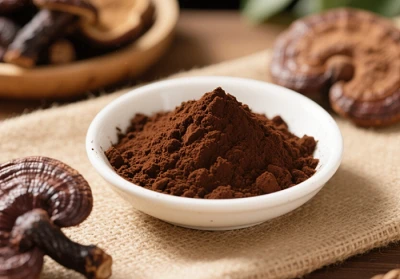
I am inquiring about your mushroom extracts which I am looking to blend along with other extracts/powders for a water soluble blend. Regarding the following extracts: King Chaga, Cordyceps, Lion's Mane, Reishi, Turkey Tail & Tremella are you able to answer the following questions please?
What are the Sourcing and Cultivation Practices?
Sourcing and cultivation practices for functional mushrooms like Reishi, Cordyceps, Shiitake, Maitake, and others directly affect their bioactive compound content, safety, and organic certification status. Here's a breakdown of best practices used by Undersun Biomedtech Corp suppliers, especially those offering certified organic and bioactive-rich extracts.
1. Cultivation Methods
Used For: Reishi, Shiitake, Maitake, Turkey Tail, Cordyceps militaris
|
Method |
Description |
Notes |
|
Wood-log or sawdust substrate |
Traditional method using hardwood or sterilized sawdust bags |
Higher triterpenes and polysaccharides |
|
Greenhouse / Shade-house cultivation |
Controlled environment to mimic forest conditions |
Ideal for Reishi and Shiitake |
|
Cordyceps militaris on silkworm pupae / rice |
Grown in sterile jars or bioreactors |
Produces real cordycepin; silkworm-based not vegan |
*Our Organic versions use no synthetic fertilizers, no pesticides, and must maintain traceability.
2. Mycelium Fermentation (Liquid or Solid-State)
Used For: Cordyceps, Lion's Mane, Reishi
|
Type |
Description |
Pros/Cons |
|
Liquid culture |
Mycelium grown in nutrient broth and harvested |
Consistent yields; used for cordycepin production |
|
Solid-state on grain (e.g., rice, sorghum, oats) |
Mycelium colonizes sterilized grain |
Often contains residual grain-lowers active % |
|
Bioreactor-grown mycelium |
High-tech systems with pH, oxygen, nutrient control |
Expensive, but ideal for cordycepin & ergothioneine |
*Note: Fruiting body > pure mycelium > myceliated grain (lowest actives, most filler).
3. Harvesting & Post-Harvest Handling
Fruiting bodies are typically harvested at peak maturity to maximize actives
Dried using low-temperature (<50°C) dehydration to preserve triterpenes and polysaccharides
Milled and extracted via:
Hot water (for β-glucans)
Ethanol/alcohol (for triterpenes, ganoderic acids)
Dual extraction = both

Do you have Quantitative analysis of key bioactive Compounds such as Beta-glucans, triterpenes, Cordycepin, or Ganoderic Acids?
Yes, I can provide a general quantitative analysis of key bioactive compounds such as β-glucans, triterpenes, cordycepin, and ganoderic acids based on published scientific literature and typical content ranges found in functional mushrooms. Here's a breakdown by compound and mushroom source:
1. β-Glucans
Common sources: Reishi (Ganoderma lucidum), Shiitake (Lentinula edodes), Maitake (Grifola frondosa), Turkey Tail (Trametes versicolor)
|
Mushroom |
β-Glucan Content (% of dry weight) |
|
Reishi |
10–25% |
|
Shiitake |
15–30% |
|
Maitake |
20–40% |
|
Turkey Tail |
25–60% |
*Note: Higher β-glucan values are usually in the mycelium or cell wall extracts rather than the whole fruiting body.
2. Triterpenes
Main source: Reishi (Ganoderma lucidum)
Notable compounds: ganoderic acids A, B, C, D; lucidenic acids
|
Extract Type |
Triterpene Content (% of dry weight) |
|
Fruiting body extract |
1–3% |
|
Spore oil |
2–5% |
|
Enriched ethanol extract |
Up to 10% |
*Note: Ganoderic acids (a subgroup of triterpenes) are typically present at 0.01–0.3% individually, depending on species and extraction method.
3. Cordycepin (3′-deoxyadenosine)
Main source: Cordyceps militaris
|
Cordyceps Source |
Cordycepin Content (mg/g dry weight) |
|
Fruiting body (wild) |
0.2–1.0 mg/g |
|
Fruiting body (cultivated) |
2–5 mg/g |
|
Fermented mycelium extract |
Up to 10–20 mg/g |
*Our optimized fermentation processes can yield cordycepin levels above 30 mg/g, especially in lab-controlled conditions.
4. Ganoderic Acids
Main source: Reishi (Ganoderma lucidum)
Ganoderic acids are a subclass of lanostane-type triterpenoids.
|
Compound |
Typical Range in Extract (mg/g) |
|
Ganoderic acid A |
0.1–2.5 mg/g |
|
Ganoderic acid B |
0.05–1.5 mg/g |
|
Ganoderic acid C |
0.02–1.0 mg/g |
|
Ganoderic acid D |
0.1–1.0 mg/g |
*Total ganoderic acids can vary significantly depending on strain, growing medium, and extraction.
Do you have Proof of Organic Certification (EU Organic, USDA Organic) third-party Lab Results Please?
Yes, we can guide you on how to obtain and verify these documents for functional mushroom products like Reishi, Cordyceps, or β-glucan extracts:
If You're Looking for Certified Suppliers:
|
Document Type |
Description |
Who Issues It |
|
EU Organic Certificate |
Confirms compliance with EC Regulation No. 2018/848 |
Certified by EU-accredited bodies (e.g., Ecocert, Kiwa) |
|
USDA Organic Certificate |
NOP-compliant certificate for USDA Organic labeling |
NOP-accredited certifiers (e.g., QAI, Oregon Tilth) |
|
COA (Certificate of Analysis) |
Batch-specific lab results for actives like β-glucans, cordycepin, etc. |
Manufacturer or third-party lab (ISO 17025 preferred) |
|
Pesticide Residue Report |
Confirms absence or limits of agrochemical residues |
Accredited third-party lab |
|
Heavy Metals Report |
Test for lead, cadmium, arsenic, mercury |
ICP-MS from labs like Eurofins or SGS |
|
Microbiological Report |
Confirms absence of pathogens (E. coli, |
Accredited food safety lab |
1. Public Certifications Databases (Verification Links)
USDA Organic Integrity Database:
Use this to verify if a company is currently certified under the USDA NOP.
2. EU Organic Certificate Check (TRACES):
Use this for EU-issued organic certificates (login required for import/export details).
3. China Organic Certification (COFCC) – If relevant for mushroom sources
Look for exporters with CNCA-recognized organic certification.

Are there any Fillers or Additives in the Extract?
1. Review the Certificate of Analysis (COA) Look for:
Beta-glucan content: Should be ≥20% in quality extracts
Alpha-glucans (from starches): If this is >10%, it's likely grain-based filler
Polysaccharide only content: Often includes both alpha + beta, not a reliable measure alone
2. Product labeling
If it doesn't specify "fruiting body only", it may include myceliated grain.
Terms like "full-spectrum" or "whole mushroom complex" often mask low-active blends.
3. Solubility and color test (at home or lab)
Pure Reishi extract (dual-extracted) is reddish-brown, bitter, and does not foam much.
Myceliated grain powder may taste bland, be tan-colored, and foam when shaken (from starches).
What Premium Extracts Declare:
|
Label Claim |
What It Means |
|
Fruiting body only |
No mycelium, no grain |
|
Standardized to ≥30% β-glucans |
Bioactives are concentrated |
|
No carriers/fillers |
No maltodextrin or starch unless explicitly listed |
|
Dual-extracted |
Hot water + ethanol extraction; broader actives |
|
100% Mushroom Extract Powder |
No additives, excipients, or binders |
Are you able to specify Chaga, Cordyceps, Lion's Mane, Reishi, Turkey Tail & Tremella are solely derived from the fruiting body please?
Yes - here's a clear breakdown for Chaga, Cordyceps, Lion's Mane, Reishi, Turkey Tail, and Tremella regarding whether they are typically available (or should be) in fruiting body-only extract form, and what you need to verify to ensure this claim is true:
|
Mushroom |
Fruiting Body Only Available? |
Important Notes |
|
|
Chaga (Inonotus obliquus) |
Yes |
Technically a sclerotium, not true fruiting body. Fruiting body rarely used in commerce. Look for wild-harvested or cultivated sclerotia, not mycelium on grain. |
|
|
Cordyceps militaris |
Yes |
Fruiting body cultivation is common and cordycepin is only found in the fruiting body. Avoid "Cordyceps sinensis" mycelium (CS-4), which contains no cordycepin. |
|
|
Lion's Mane (Hericium erinaceus) |
Yes |
Fruiting body provides higher levels of hericenones; mycelium contains erinacines. Some top-tier products combine both for full profile - verify source. |
|
|
Reishi (Ganoderma lucidum) |
Yes |
Fruiting body = triterpenes + β-glucans. Mycelium lacks triterpenes. Look for dual-extracted fruiting body products. |
|
|
Turkey Tail (Trametes versicolor) |
Yes |
Fruiting body is rich in PSP and polysaccharides. Mycelium is sometimes used for PSP production in fermentation but often diluted. |
|
|
Tremella (Tremella fuciformis) |
Yes |
Fruiting body contains Tremella polysaccharides (hydrating agents). Cultivated fruiting body is commonly used in high-grade extracts and cosmetics. |
|
Contact Us for Wholesale Orders
Whether you are sourcing ingredients for a new product line or scaling production, bulk ingredient suppliers are your reliable factory partner for Organic Chaga, Cordyceps, Lion's Mane, Reishi, Turkey Tail & Tremella Extract secure your stock of 100kg / 275kg / 375kg / 1250kg / 2750kg / 4500kg, Undersun delivers consistent supply and value for dietary supplement brands! Contact us today for technical specifications, samples, and bulk pricing.
Also See
Functional Nut Butter Manufacturer: Reishi Mushroom Ingredients Guide
Wholesale Price Cordyceps Mushroom Extract Polysaccharides 30% HPLC
Undersun Biomedtech Corp: Leading the Way in Mushroom β-Glucan Supplements
Shiitake Mushroom Powder: Capsule Dietary Supplement Guide
What Ingredients are Needed to Make Freeze-Dried Candy
Why Functional Mushroom Coffee is Your Super Supplement
How To Add Lion's Mane Powder To Freeze-Dried Candy: Freeze-Dried Food Companies
Why Choose For Excipients-Free Mushroom Extracts
What's Functional Mushroom Powder and Why Is It in My Dietary Supplements
Hericium Erinaceus Extract: Powder vs. Liquid – A Complete Guide
Organic Chaga Mushroom Powder: Quality, Purity, and Traceability
Does Lion's Mane Have Beta-Glucan
How Much Polysaccharide Does Shiitake Mushroom Extract Contain