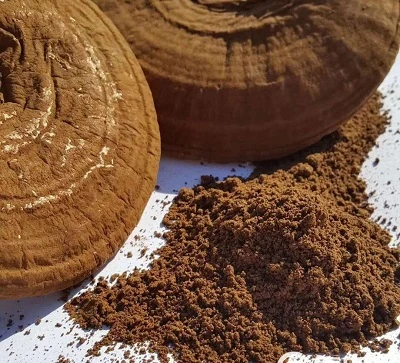
Choosing reliable reishi mushroom extract manufacturers requires more than comparing prices or extract ratios. Buyers need to understand raw material quality, extraction methods, active compounds, analytical testing, and batch consistency.
Reishi mushroom (Ganoderma lucidum) is widely used in dietary supplements, functional foods, and botanical formulations. However, not all reishi extracts have the same chemical profile or quality standards.
For supplement brands, ingredient distributors, and contract manufacturers, understanding the production process helps reduce purchasing risks. It also makes supplier comparisons more accurate.
This guide explains how reishi mushroom extracts are manufactured, how their potency is tested, and what you should check before placing a bulk order.
Introduction to Reishi Extract Manufacturing
For supplement brands and health product developers, choosing the right Reishi mushroom extract manufacturer is vital. Reishi (Ganoderma lucidum) has been used for thousands of years in traditional Asian medicine. Today, modern science backs its benefits for immune support, stress relief, and overall wellness.
Reishi mushroom extract is produced by separating selected compounds from reishi mushroom materials. Manufacturers then concentrate, filter, and dry the extracted liquid to create a powdered ingredient.
The final composition depends on several factors. These include the mushroom species, raw material part, extraction solvent, processing conditions, and purification steps.

Sourcing and Quality Control: Fruiting Body vs. Mycelium
The specific part and quality of the raw material directly affect the consistency of the final extract. Factors such as growing conditions, cultivation methods, and processing techniques influence the composition and content of the final extract.
Reishi fruiting bodies are the visible mushroom structures commonly used in traditional preparations and many commercial extracts. Mycelium consists of the thread-like fungal network that grows through a substrate.
Reishi Fruiting Body: The fruiting body yields a highly complex bioactive profile. It naturally contains Reishi Polysaccharides, Reishi Triterpenic Acids, Sterols, Reishi Polypeptides, and Ergothioneine.
Reishi Mycelium: Mycelium primarily contains Polysaccharides. While beneficial for basic polysaccharide standardization, it lacks the full spectrum of triterpenic acids, polypeptides, and ergothioneine found in mature fruiting bodies.
Items to be Checked
When selecting Reishi raw materials, undersun employ a practical quality control protocol that includes the following elements:
- Botanical identity: Confirm the declared species using suitable identification methods.
- Supplier qualification: Review cultivation practices, traceability records, and incoming material specifications.
- Appearance and odor: Check for unusual colors, odors, visible mold, or other signs of deterioration.
- Moisture content: Control moisture to support suitable storage and processing.
- Microbiological quality: Test relevant organisms according to the product specification and intended market.
- Contaminants: Assess heavy metals, pesticides, mycotoxins, or other risks when appropriate.
- Traceability: Maintain records linking raw materials to production batches.
Industrial Extraction Workflow: Step-by-Step Processing
To transform raw mushrooms into a fine, water-soluble or bioactive-rich powder, reishi extract manufacturer undersun follows a strict sequential industrial workflow:
1. Raw Material Acceptance & Storage: Incoming raw ingredients undergo sampling, laboratory screening, and storage under climate-controlled conditions.
2. Pretreatment & Weighing: Mushrooms are cleaned, crushed, or milled to increase surface area, then accurately weighed alongside auxiliary materials.
3. Extraction & Filtration: The prepared material undergoes solvent extraction (water or alcohol) under precise temperature and pressure controls, followed by filtration to remove solid plant residues.
4. Concentration & Mixing: Liquid extracts are concentrated via evaporation under vacuum, then blended uniformly with auxiliary ingredients if required.
5. Pasteurization (Critical Control Point - CCP): The liquid mixture undergoes precise heat treatment to eliminate pathogens and guarantee microbial safety.
6. Homogenization & Spray Drying: The mixture is homogenized for uniform consistency and spray-dried into a fine, stable powder.
7. Crushing, Sieving & Total Mix: Dried powder is milled, sieved for uniform particle size, and thoroughly blended in batch mixers.
8. Metal Detection (CCP): The finished powder passes through industrial metal detectors to ensure zero metallic foreign body contamination.
9. Metered Inner Packaging & Outer Packaging: Conducted in clean areas under strict environmental controls, utilizing ultraviolet sterilization for inner packaging materials.
10. Product Inspection & Warehouse Storage: Final batches undergo full laboratory quality inspection before being moved to clean storage and approved for global shipping.

Extraction Methods: Hot Water vs. Alcohol Extraction vs. Dual Extraction
Reishi mushrooms contain both water-soluble and alcohol-soluble active compounds. Different extraction methods yield different bioactive profiles:
Hot Water Extraction: This traditional method breaks down the tough chitin walls of the mushroom using high heat and water. It efficiently isolates water-soluble polysaccharides and polypeptides.
Alcohol (Ethanol) Extraction: This method uses food-grade ethanol to target lipophilic compounds, specifically triterpenic acids and sterols.
Dual Extraction: It combines both hot water and alcohol extraction sequentially. This ensures that the final extract delivers a comprehensive compound profile, including both high polysaccharides and potent triterpenes.
Active Bioactive Compounds in Reishi Mushroom
When evaluating a Reishi extract specification sheet, you must understand the primary active biomolecules based on the source material:
Reishi Polysaccharides (beta-Glucans): Found in both fruiting bodies and mycelium, these long-chain carbohydrates interact with immune cell receptors to modulate immune function.
Reishi Triterpenic Acids (Ganoderic Acids): Bitter compounds exclusive to high-quality fruiting body extracts that provide adaptogenic, anti-inflammatory, and liver-protective benefits.
Sterols: Important lipid structures present in fruiting bodies that support cellular membrane health and cholesterol balance.
Reishi Polypeptides: Bioactive peptide chains sourced from fruiting bodies that provide antioxidant support.
Ergothioneine: A powerful, naturally occurring intracellular antioxidant amino acid found concentrated in Reishi fruiting bodies.
Reishi β-Glucan Testing Method: K-YBGL
Reishi β-Glucan is a type of Ganoderma polysaccharide, and the determination of its content is a matter of significant interest to many food and beverage manufacturers as well as supplement brands. The assay for beta-glucan typically employs an enzymatic kit method; Undersun currently uses the K-YBGL enzymatic method, and the specific procedure is as follows:
- Reagent Preparation: Preparation of specific enzyme buffers, glucose standards, and assay reagents.
- Dissolution and Partial Hydrolysis of Total Glucans: Solubilizing the sample matrix to prepare total glucans for enzymatic breakdown.
- Dissolution and Hydrolysis of α-Glucans: Selectively treating and hydrolyzing α-glucans (such as starch or glycogen) separately to isolate them from the target β-glucans.
- Measurement of Total Glucans and α-Glucans:
1. Blank and D-Glucose Reference Measurement: Running control blanks and standard D-glucose solutions to calibrate spectrophotometric readings.
2. Total Glucans Measurement: Enzymatic conversion and quantification of total glucose released from all glucan fractions.
3. α-Glucans Measurement: Quantification of glucose derived strictly from the α-glucan breakdown.
4. β-Glucan Content Calculation: Subtracting α-glucan values from total glucan values using established mathematical formulas to arrive at the precise, true β-glucan percentage.
Undersun Reishi Mushroom Extract Specifications
As a plant extract manufacturer, undersun focus on the research and development and production of various mushroom extracts. We offers standardized Reishi mushroom extracts tailored to strict regulatory standards (including USP-NF and DSLD). Our state-of-the-art facilities produce high-potency extracts tailored for functional foods, dietary supplements, and nutraceutical applications.
| Product Name | Main Specification | Identification | Physico-chemical Parameters |
|
Reishi Extract (Alcohol Extraction) |
β-Glucan ≥ 40.0% |
Thin Layer Chromatography (TLC) Identification |
• Polysaccharides ≥ 40.0%
• β-Glucan ≥ 40.0%
• Triterpenic acids ≥ 0.3%
• Moisture ≤ 7.0% |
|
Reishi Extract (Alcohol + Water Extraction) |
β-Glucan ≥ 35.0% |
TLC & Excipient Identification |
• Polysaccharides ≥ 20.0%
• β-Glucan ≥ 35.0% (DSLD)
• Triterpenic Acid ≥ 6.0% (USP & DSLD)
• Moisture ≤ 7.0% (USP-NF) |
Standardized Extract vs. Full-Spectrum Powder: What's the Difference?
Understanding product categories helps supplement brands choose the right ingredient for their target market:
- Full-Spectrum Powder: Usually made by grinding whole dried mushrooms or mycelium. Reishi powder contains fiber and natural constituents, but active compound concentrations can vary naturally from harvest to harvest.
- Standardized Extract: It has undergone an extraction process, ultimately yielding a specified component with a determined content. This ensures batch-to-batch consistency, allowing formulators to deliver precise dosages in capsules, tablets, or functional beverages.
If you would like to learn more about the comparison between Reishi extract and Reishi powder, please read this article: Reishi Powder vs. Extract: Testing Methods, Identification, and Specifications
Industry Certifications and Quality Assurance
To ensure safety and regulatory compliance in global markets, qualified Reishi extract manufacturers operate under strict international frameworks:
GMP: Ensures consistent production and quality control according to safety standards.
ISO Certifications: Validates facility management, environmental controls, and operational efficiency.
Third-Party Testing: Independent laboratory validation for heavy metals (lead, arsenic, cadmium, mercury), pesticide residues, and harmful microbes, verified through a transparent Certificate of Analysis (COA).
Partner With Us
Selecting a dependable Reishi mushroom extract manufacturer requires a careful look at raw material parts, extraction technology, processing flow, and analytical rigor. By prioritizing suppliers who utilize full-spectrum fruiting body ingredients, and advanced dual-extraction, your brand can deliver safe and highly effective products.
Ready to elevate your supplement line with premium, lab-tested Reishi extracts from Undersun? Contact us today to request a sample, review our comprehensive Certificates of Analysis (COA), or discuss custom formulation options for your brand.
References
Stamets, P. ()Mycelium Running: How Mushrooms Can Help Save the World. Ten Speed Press.
Cizmarova, B., et al. ()Extraction techniques and bioactive profile of Ganoderma lucidum polysaccharides. Journal of Medicinal Food.
Wasser, S. P. ()Medicinal mushroom science: Current status, recent advances, competing goals, and future outlook. Applied Microbiology and Biotechnology.
Paterson, R. R. M. ()Ganoderma – A therapeutic fungal biofactory. Phytochemistry.
Roupas, P., et al. ()The role of edible mushrooms in health: Evaluation of the evidence. Journal of Functional Foods.
Zhao, S., et al. ()Extraction, characterization, and activity of polysaccharides from Ganoderma lucidum. Carbohydrate Polymers.