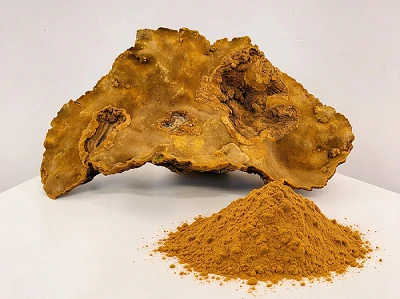
Agave inulin refers to inulin extracted from the agave plant. Inulin is a type of soluble dietary fiber that possesses prebiotic properties. It contains fructans compounds that cannot be digested in the small intestine but can be fermented by microorganisms in the colon.
Research indicates that agave inulin can increase the population of certain beneficial bacteria in the gut and help maintain regular bowel movements. However, its specific effects depend on an individual's digestive tolerance, the amount consumed, and the precise composition of the ingredient itself.
In this article i will explain what agave inulin is, its nutritional properties, scientifically studied benefits, and potential side effects.
What is Agave Inulin?
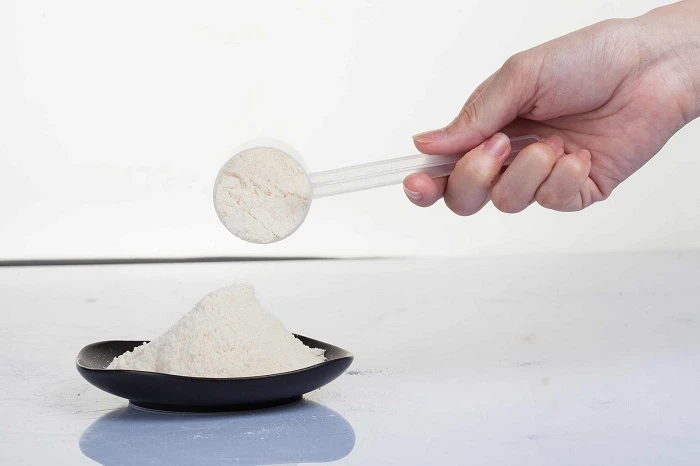
Inulin is a soluble or dietary fiber found in the root of the plants and is also known as prebiotics. When inulin is obtained from the agave plant and processed into powdered form, it is known as agave inulin powder.
Agave is a native plant to Mexico and the southwestern US and it's been quite a few years that the plant is considered to be a great source of nutrition and taste. The most common way of consuming agave is by processing it to a natural sweetener. Agave is available in many forms –nectar, syrup and inulin.

Is Agave Inulin the Same as Agave Syrup?
No. Although both ingredients originate from agave plants, their nutritional characteristics and uses are different. Agave syrup is a concentrated sweetener containing digestible sugars, particularly fructose and glucose. Agave inulin, by contrast, consists primarily of nondigestible fructans and is used as a dietary fiber ingredient.
| Feature | Agave Inulin | Agave Syrup |
|---|---|---|
| Main Components | Fructans | Fructose and glucose |
| Primary Function | Dietary fiber and prebiotic | Sweetener |
| Digestibility | Resists small-intestinal digestion | Sugars are absorbed |
| Sweetness | Low to mild, depending on grade | Relatively high |
| Gut Microbiota | Fermentable substrate | Not equivalent to prebiotic fiber |
Is Agave Inulin a Prebiotic Fiber?
Yes. Agave inulin is considered a prebiotic ingredient because its fructans can be utilized by certain intestinal microorganisms. Prebiotics are substrates selectively utilized by host microorganisms that confer a health benefit. Unlike digestible carbohydrates, agave inulin reaches the large intestine largely intact, where intestinal bacteria ferment it.
How Does Agave Inulin Work in the Gut?
During fermentation, microorganisms break down fructans and produce metabolites, including short-chain fatty acids (SCFAs). The major SCFAs include:
- Acetate: Participates in intestinal and systemic metabolic processes.
- Propionate: Is involved in microbial fermentation and host metabolism.
- Butyrate: Serves as an important energy source for colon cells.
What is Agave Inulin Powder Good for?
Inulins are a group of naturally occurring sugars that come from plants and these offer many extraordinary nutritional benefits! Inulin is packed with an array of health benefits to support your healthy lifestyle. Agave Inulin Powder can help lower visceral fat, which has been associated with increasing the risk of heart disease and diabetes. It also supports digestive health, promotes normal bowel function and stimulates healthy bacteria.
The most extensively studied benefits of agave inulin relate to gut microbiota composition and digestive function. Human clinical studies have investigated its effects on beneficial bacterial populations, bowel movements, and gastrointestinal tolerance.
1. Supports the Growth of Bifidobacteria
Bifidobacteria are commonly found in the human intestinal microbiota and are associated with carbohydrate fermentation and intestinal ecosystem function.
A randomized clinical study published in The Journal of Nutrition found that agave inulin supplementation increased the relative abundance of Bifidobacterium in healthy adults.
This supports the prebiotic potential of agave inulin, although an increase in a bacterial group does not automatically establish a broader clinical health benefit.
2. May Support Bowel Regularity
As a fermentable dietary fiber, agave inulin may influence bowel habits. A controlled study involving healthy adults found that consuming 7.5 grams of agave inulin daily increased bowel movement frequency and produced softer stools compared with the control treatment.
These findings suggest potential benefits for bowel regularity. However, additional research is needed to determine its effectiveness in people with chronic constipation or other gastrointestinal conditions.
3. Influences the Gut Microbial Environment
Agave fructans may change the composition and activity of intestinal microorganisms. In addition to Bifidobacterium, some studies have observed changes in other bacterial groups following agave fructan supplementation.
4. Contributes to Daily Dietary Fiber Intake
Agave inulin can help increase dietary fiber intake when incorporated into an appropriate diet. Many diets contain less fiber than recommended by public health organizations. Adding fiber-rich foods and suitable fiber ingredients may help improve overall dietary fiber consumption.
What Does Scientific Research Say About Agave Inulin?
Human clinical research provides evidence for the prebiotic activity of agave inulin, although the number of studies remains relatively limited.
Two controlled studies are particularly relevant.
Study 1: Agave Inulin and Gut Microbiota
A 2015 study published in The Journal of Nutrition investigated the effects of agave inulin in 29 healthy adults. Participants consumed 0, 5, or 7.5 grams of agave inulin daily during separate 21-day treatment periods. Researchers observed significant increases in the relative abundance of Bifidobacterium following supplementation. The study concluded that agave inulin influenced gut microbiota composition and activity.
Study 2: Agave Fructans and Prebiotic Activity
Another randomized, double-blind crossover study, published in the Journal of Nutritional Science in 2015, involved 38 participants who completed the trial. Participants consumed 5 grams of agave fructans daily for three weeks. The researchers reported increases in fecal bifidobacteria and lactobacilli compared with placebo. However, they did not observe significant changes in several other measured fermentation products or immune-related markers.
Summary of Human Clinical Research
| Research | Participants | Daily Intake | Duration | Main Findings |
|---|---|---|---|---|
| Holscher et al., 2015 | 29 healthy adults | 5 or 7.5 g | 21 days per treatment | Increased relative abundance of Bifidobacterium |
| Ramnani et al., 2015 | 38 completers | 5 g | 3 weeks per treatment | Increased bifidobacteria and lactobacilli |
| Holscher et al., 2014 | 29 healthy adults | 5 or 7.5 g | 21 days per treatment | Softer stools and increased bowel movement frequency at 7.5 g |
Note: The 2014 and 2015 Holscher publications report different outcomes from the same clinical trial and should not be counted as independent participant groups.
Agave Inulin Nutrition Facts: Fiber, Calories, and Sugar Content
Agave inulin differs nutritionally from conventional sugars and starches because it is composed mainly of nondigestible fructans.
Does Agave Inulin Contain Sugar?
Purified agave inulin primarily contains fructans, but commercial products may also contain small amounts of free fructose, glucose, or sucrose.
Therefore, the sugar content is not necessarily zero for every product.
Is Agave Inulin Low in Calories?
Agave inulin generally contributes less metabolizable energy than digestible carbohydrates. Inulin-type fibers are often assigned an energy value of approximately 2 kcal per gram under certain food-labeling frameworks, compared with approximately 4 kcal per gram for digestible carbohydrates.
Nutritional Characteristics of Agave Inulin
| Nutritional Property | General Characteristics |
|---|---|
| Main Carbohydrate | Fructans |
| Dietary Fiber | High in purified grades |
| Digestibility | Resistant to small-intestinal digestion |
| Sweetness | Lower than conventional sugar |
| Energy Contribution | Generally lower than digestible carbohydrates |
| Prebiotic Activity | Supported by human studies |
| Sugar Content | Depends on purity and processing |
Agave inulin vs Chicory inulin: Nutritional and Structural Differences
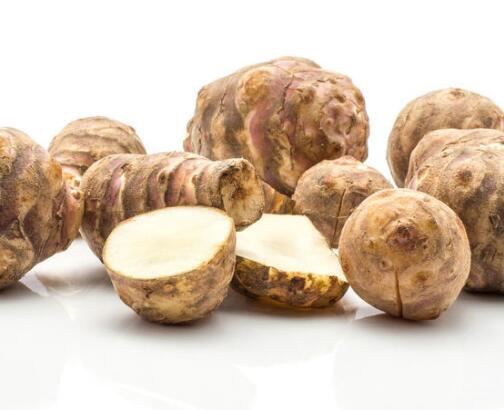
Agave inulin, which was investigated in the present study, is composed of linear and branched fructose chains, connected with β-2,1 and β-2,6 linkages, and a degree of polymerization (DP) between 25 and 34. In comparison, chicory inulin is linear with β-2,1 linkages and a DP that ranges from 2 to 60. In vitro experimentation has demonstrated that agave inulin is readily fermented by bifidobacteria and lactobacilli. In addition, rodent studies have provided evidence that the botanical origin and chemical structure of different inulin-type fibers (e.g., agave inulin and chicory inulin) induce variable effects on body composition, blood cholesterol, and blood glucose concentrations. The prebiotic effects of agave inulin in healthy adults, however, are currently unknown. Therefore, translational studies to investigate the influence of agave inulin on the human GI microbiota are warranted.
Comparison of Agave and Chicory Inulin
| Feature | Agave Inulin | Chicory Inulin |
|---|---|---|
| Botanical Origin | Agave plants | Chicory root |
| Molecular Structure | Often branched fructans | Predominantly linear fructans |
| Prebiotic Potential | Supported by human studies | Supported by extensive research |
| Fermentation | Depends on fructan structure | Depends on chain length |
| Digestive Tolerance | Individual variation | Individual variation |
| Nutritional Role | Fermentable dietary fiber | Fermentable dietary fiber |
Does Agave Inulin Help with Weight and Blood Sugar Management?
Agave inulin is sometimes promoted for weight management and blood sugar control. Although these topics have attracted scientific interest, the evidence specifically supporting agave inulin remains limited.
Agave Inulin and Weight Management
Dietary fibers may influence satiety, energy intake, and intestinal fermentation. Some studies of inulin-type fructans have investigated their effects on appetite and body weight. However, results from chicory inulin or other fructan ingredients cannot automatically be applied to agave inulin.
Agave Inulin and Blood Sugar
Because purified agave inulin is largely resistant to small-intestinal digestion, it does not behave like ordinary digestible sugar. Replacing some digestible carbohydrates with nondigestible fiber may change the nutritional profile of a food.
Agave Inulin Side Effects and Digestive Tolerance
Agave inulin is generally tolerated by many healthy adults, but it can cause gastrointestinal symptoms because of bacterial fermentation.
Common side effects include:
- Increased intestinal gas
- Bloating
- Abdominal rumbling
- Mild stomach discomfort
- Changes in stool consistency
These effects are often dose-dependent and vary between individuals.
Is Agave Inulin Suitable for People with IBS?
Agave inulin contains fermentable fructans, which fall within the FODMAP carbohydrate category. People with irritable bowel syndrome (IBS) or fructan sensitivity may experience bloating, abdominal pain, or changes in bowel habits after consuming it.
Individuals following a low-FODMAP diet should consult a qualified healthcare professional before adding concentrated agave inulin. Starting with a small amount may help some people assess tolerance, but those with significant gastrointestinal symptoms should seek individualized advice.
Frequently Asked Questions About Agave Inulin
1. Is agave inulin good for gut health?
Agave inulin has demonstrated prebiotic activity in human studies, including increases in certain beneficial intestinal bacteria. However, research is still needed to determine the extent of its long-term clinical health benefits.
2. Is agave inulin the same as agave syrup?
No. Agave inulin is a nondigestible fructan fiber, while agave syrup is a sweetener containing digestible sugars. Their nutritional properties and primary uses are different.
3. Does agave inulin contain sugar?
Commercial agave inulin products may contain small amounts of residual sugars, depending on the purification process. The exact amount should be confirmed through the product's nutritional information.
4. Can agave inulin help with constipation?
One clinical study found that 7.5 grams of agave inulin daily increased bowel movement frequency and softened stools in healthy adults.
5. Is agave inulin suitable for people with IBS?
Not necessarily. Agave inulin contains fermentable fructans that may trigger symptoms in people with IBS or FODMAP sensitivity. Individual tolerance varies, and professional dietary guidance may be appropriate.
6. What is the difference between agave inulin and chicory inulin?
Agave inulin often contains branched fructans, while chicory inulin primarily contains linear fructan chains. Both have prebiotic potential.
Conclusion
Agave inulin is a plant-derived prebiotic fiber with scientifically studied effects on intestinal microbiota and bowel function. Human clinical studies have shown that agave inulin can increase Bifidobacterium populations and may support bowel regularity in healthy adults. However, broader claims related to weight loss, blood sugar control, and disease prevention require stronger clinical evidence.
Understanding the nutritional properties, molecular structure, and digestive tolerance of agave inulin can help consumers and nutrition professionals make informed decisions.
For food and supplement manufacturers interested in the commercial applications of this ingredient, Undersun provides information on botanical ingredient sourcing and bulk purchasing requirements. Learn more in our Agave Inulin Bulk Ingredient Supplier Guide.
For bulk agave inulin inquiries, contact undersun at herbext@undersun.com.cn.
References
Holscher, H. D., et al. (2015). Agave Inulin Supplementation Affects the Fecal Microbiota of Healthy Adults Participating in a Randomized, Double-Blind, Placebo-Controlled, Crossover Trial.
Ramnani, P., et al. (2015). A Randomised, Double-Blind, Cross-Over Study Investigating the Prebiotic Effect of Agave Fructans in Healthy Human Subjects. Journal of Nutritional Science, 4, e10.
Gibson, G. R., et al. (2017). Expert Consensus Document: The International Scientific Association for Probiotics and Prebiotics (ISAPP) Consensus Statement on the Definition and Scope of Prebiotics. Nature Reviews Gastroenterology & Hepatology, 14, 491–502.