
Spinach powder is a powerhouse of nutrition. It is commonly used in smoothies, soups, sauces, and baked goods. Whether you are a raw material distributor or a beverage manufacturer, understanding the production process is vital.
But how to make spinach powder? This guide covers how high-quality spinach powder is made and what professional buyers should look for in a supplier.
What is Spinach Powder and Its Benefits
Spinach powder is made by drying and grinding spinach leaves into a fine, concentrated powder. It's packed with vitamins and minerals, including vitamin K, and folate. It also provides iron and natural antioxidants. These nutrients support immune health and overall wellness.
In industrial applications, spinach powder offers several advantages:
- Extended shelf life compared to fresh vegetables
- Ease of transportation and storage
- Compatibility with various formulations, it dissolves easily into functional drinks, smoothies, and pasta dough.
It is widely used in functional beverages and green drinks, bakery and snack products and plant-based and health-focused foods. These benefits make spinach powder an ideal ingredient for manufacturers seeking natural and nutrient-dense solutions.
How to Make Spinach Powder?
1. Choosing High-Quality Spinach
The quality of the spinach directly affects the quality of the final spinach powder. Choose fresh, vibrant green spinach without any obvious signs of wilting or yellowing. If you have requirements regarding pesticides and harmful chemicals, you should choose organically grown spinach.

2. Cleaning and Pre-Treatment of Spinach Leaves
Once the spinach arrives at the facility, it undergoes rigorous cleaning. We use a multi-stage bubble washing system. This process removes soil, sand, and any residual debris without bruising the delicate leaves. Proper pre-treatment ensures food safety and consistent product quality.
3. Blanching Process: Preserving Color and Nutrients
Blanching plays a key role in spinach powder production. Undersun always monitor this step carefully.
During blanching, spinach is exposed to hot water or steam for a short time. This process helps preserve the bright green color, deactivate enzymes and reduce microbial load. Timing is very important. Too much heat can damage nutrients. Too little heat can affect stability.
4. Drying Methods for Spinach Powder Production
Drying is one of the most important stages. It directly affects quality, color, and nutrient retention. There are two most common drying methods:
Hot Air Drying: This method is widely used in large-scale production. It offers a good balance between cost and efficiency.
Freeze Drying: This method preserves nutrients and color very well. Freeze dried spinach powder is ideal for high-end products but has higher costs.
No matter the method, moisture must stay low. This prevents mold and ensures a longer shelf life.
5. Grinding and Sieving Techniques
After drying, the spinach becomes crisp and easy to grind. We use advanced milling equipment to achieve fine powder. Commonly used equipment includes hammer mills and air jet mills.
After grinding, the powder passes through a vibration sieve. This removes any larger particles or fibers.
The final product is a uniform fine powder with a mesh size of 80-100.

6. Quality Control and Safety Considerations
For B2B buyers, quality control is a top priority. At Undersun, our every batch of spinach powder must undergo lab testing.
- Moisture content
- Microbial levels
- Heavy metals
- Particle size
We also provide full documentation, including COA, specifications, and SDS.
7. Packaging and Storage
Spinach powder is sensitive to light and moisture. If exposed, the bright green color will fade to a dull brown. We use aluminum foil bags with vacuum sealing for bulk orders. These bags block UV light and oxygen. Store the powder in a cool, dry place. When stored correctly, the shelf life can reach 24 months.
Common Applications of Spinach Powder
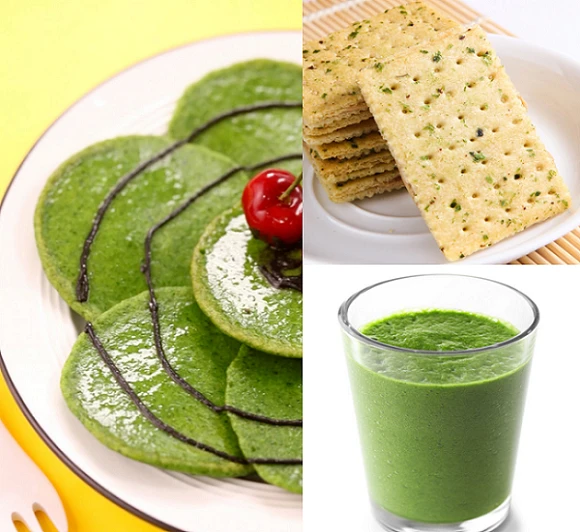
Spinach powder can be used in a wide range of food and beverage products, including:
- Beverages: Adds a nutritional boost to cold-pressed juices and protein shakes.
- Snack Foods: Used in vegetable crackers, chips, and tortillas for natural coloring.
- Smoothies: A quick way to add greens to smoothies.
- Baked goods: Use spinach powder in bread, muffins, and cookies for a nutritious twist.
- Soups and sauces: It can add color and nutritional value to soups, pasta sauces, and dressings.
- Nutritional supplements: Many companies add spinach powder to supplements or protein powders for an extra boost of vitamins.
Undersun is committed to delivering high-quality spinach powder that meets the evolving demands of the food and beverage industry. If you are looking for organic spinach powder, contact us at herbext@undersun.com.cn for samples, technical details, or quotations.
References
Gupta, S., & Prakash, J. (2011). Nutritional and sensory quality of spinach powder. Journal of Food Science and Technology.
Bergquist, S. A. M., et al. (2006). Effects of blanching and drying on nutrient retention in spinach. Food Chemistry.
Rickman, J. C., et al. (2007). Nutritional comparison of fresh and processed vegetables. Journal of the Science of Food and Agriculture.
Karam, M. C., et al. (2016). Effects of drying methods on food quality. Drying Technology.
Fellows, P. (2009). Food Processing Technology: Principles and Practice. Woodhead Publishing.
AOAC International. (2019). Official Methods of Analysis of AOAC International.