Beta glucan is a naturally occurring polysaccharide. Found in cereals, yeast, fungi, and certain bacteria, beta glucan has gained significant attention due to its unique structural properties and versatility in food, nutraceutical, and cosmetic applications. In this blog post, we will explore the structure, sources, production methods, and applications of β-glucan to help you further understand this polysaccharide.
What Is Beta Glucan?
Beta glucan is a group of biologically active carbohydrates, specifically a non-starch polysaccharide found in the cell walls of bacteria, fungi, yeast, algae, and plants such as oats and barley. Chemically, β-glucan refers to a group of soluble or insoluble polysaccharides composed of glucose units linked by β-glycosidic bonds.
Depending on their molecular arrangement and source, beta glucans can exhibit varying solubility, viscosity, and bioactivity. These characteristics make beta glucan a valuable ingredient in functional formulations.
Types of Beta Glucan and Their Key Differences
Not all β-glucans have the same biological activity. Their biological activity depends on their "linkage" pattern. The most common types include β-(1,3), β-(1,4), and β-(1,6) linkages.
- Cereal-derived (1,3/1,4): Found in oats and barley, these are linear chains. They are highly soluble and primarily known for their metabolic benefits, such as lowering cholesterol.
- Fungal and Yeast-derived (1,3/1,6): These have a branched structure, where a 1,3-backbone has 1,6-side chains. This specific branching is what triggers the immune system, making these types popular for "defense" supplements.
Natural Sources of Beta Glucan
Beta glucan can be extracted from several natural raw materials, each offering distinct structural and functional properties.

1. Cereals: Such as Oat Beta Glucan and Barley Beta Glucan. Cereal beta glucan is a non-starch polysaccharide found in the cell walls of the endosperm and aleurone layer, belonging to water-soluble dietary fiber. Due to its unique structure, cereal β-glucan can create viscosity in the intestines, thus having a variety of positive health effects, including reducing postprandial glycemic response, improving blood cholesterol levels, and improving intestinal health.
2. Mushrooms: Beta glucan can be obtained from mushrooms such as Shiitake, Reishi, Maitake, and Turkey Tail. Beta-glucan in mushrooms works synergistically with other nutrients to help regulate immune system function and protect cardiovascular health.
3. Yeast: Yeast beta glucan derived from the cell walls of Saccharomyces cerevisiae. Most yeast beta glucan is water-insoluble. Yeast beta glucan has functions such as enhancing immune activity, regulating blood lipids and blood sugar, repairing cells, and improving intestinal health.
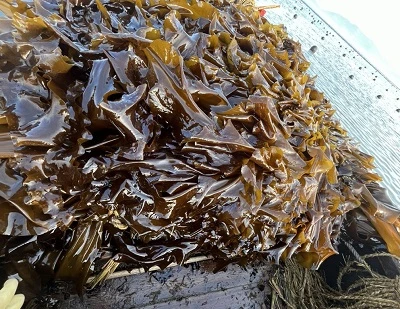
4. Algal: Algal beta glucan originates from seaweed and microalgae. Among them, the main source from microalgae is Euglena gracilis, which is also the most common algal β-glucan on the market.
Why Structure Matters for Function?
The molecular structure of beta glucan plays a critical role in determining its functional characteristics. The physical shape of beta-glucan molecules determines how they interact with the human body.
For example, the long, linear chains in oats create a high-viscosity gel in the digestive tract, slowing down sugar absorption and binding cholesterol. Conversely, the branched structure of yeast and mushroom glucans acts like a "key," binding to specific receptors on white blood cells (such as Dectin-1) and "activating" the immune system without overstimulating it.
Extraction Methods of Mushroom Beta Glucan
Mushroom beta glucan extraction typically involves several processing steps designed to isolate and purify the polysaccharide fraction.
Hot water extraction is one of the most common methods. It utilizes controlled temperature and time to dissolve water-soluble polysaccharides while maintaining structural integrity. After extraction, purification and drying processes such as filtration, concentration, and spray drying are often applied to produce stable beta glucan powder suitable for industrial use.
Functional Properties of Beta Glucan
Beta glucan exhibits multiple functional properties that contribute to its versatility in formulation:
Its water-binding and thickening abilities help improve product texture, stability, and mouthfeel in food systems.
In addition, beta glucan can enhance emulsion stability and improve moisture retention in both liquid and solid formulations. These properties make it valuable in beverage, bakery, and dairy product development.
Beta glucan also demonstrates film-forming and hydration-enhancing properties, which support its use in cosmetic and personal care products.

Common Test Methods of Beta Glucan
To ensure quality and potency, the industry uses several standardized tests:
- The Megazyme Method: For measuring total, soluble, and insoluble beta glucan content.
- HPLC: Used to analyze the purity and molecular weight distribution.
- FTIR Spectroscopy: Provides a "fingerprint" of the molecular linkages to verify if the source is truly yeast, mushroom, or cereal.
Market Trends and Industry Demand for Beta Glucan
Global demand for beta glucan continues to grow due to increasing consumer interest in functional ingredients and natural health solutions.
The food and beverage industry has expanded the application of beta glucan to improve product texture and achieve product differentiation. The nutritional supplement industry has also driven demand growth, with manufacturers adding beta glucan to formulations that enhance immunity and improve overall health. Meanwhile, the cosmetics industry is increasingly using beta-glucan as a moisturizing and skincare ingredient.
Applications of Beta Glucan in Food and Beverages
In food and beverage formulations, beta glucan enhances both nutritional value and flavor.
- Beta glucan can be used as a natural thickener and stabilizer in soups, sauces, dairy products, and plant-based beverages.
- Beta glucan also improves the water retention and texture of baked goods, thus helping to maintain freshness and extend shelf life.
- Furthermore, the soluble dietary fiber properties of beta glucan make it suitable for fiber-rich formulations targeting health-conscious consumers.
How Is Beta Glucan Used in Dietary Supplements?
This is perhaps the most well-known application. Beta glucan is typically formulated as a dietary supplement in the form of capsules, tablets, and powder mixtures.

Mushroom and yeast beta glucans are frequently used in wellness supplements due to their bioactive properties. Powdered beta glucan is also incorporated into drink mixes and nutritional blends to enhance functional value.
Role of Beta Glucan in Skincare and Cosmetics
Beta glucan has emerged as an emerging ingredient in cosmetic formulations due to its moisturizing and film-forming properties. It helps maintain skin hydration and improves the texture of products such as creams, serums, and masks.
Beta glucan is compatible with a variety of cosmetic ingredients, allowing it to be well integrated into multi-functional skincare products. Mushroom-derived beta-glucan is particularly popular for its gentle skincare benefits.
Conclusion
Beta-glucan is a multifunctional polysaccharide with various structural forms, natural sources, and wide industrial applications. Its extensive use in food, health products, and cosmetics makes it a valuable ingredient in modern formulation development.
Undersun is a plant extract manufacturer with over 20 years of experience. Mushroom extracts are our star product. We wholesale Shiitake mushroom β-glucan ≥45%, Reishi Mushroom β-glucan ≥30%, Maitake mushroom β-glucan ≥30%, Lion's Mane Mushroom β-glucan ≥40%, and Turkey tail mushroom β-glucan ≥40%, all of them are passed ID (TLC chromatograms available).
We have partnered with numerous dietary supplement and functional beverage brands to help them launch new products and gain greater brand influence. If you are looking for reliable mushroom β-glucan for your product line, Undersun is a great choice. Contact us today!
References
Ahmad, A., et al. (2012). "A review on oat beta-glucan: physicochemical properties and health benefits." Heliyon.
Samuelsen, A. B., et al. (2014). "Structure and function of mushroom polysaccharides." Journal of Functional Foods.
Zhu, F., et al. (2016). "Effect of extraction on fungal β-glucans." Carbohydrate Polymers.
Megazyme (2025). "Beta-Glucan Assay Kit: Yeast and Mushroom Method." Megazyme Industry Standards.
Precedence Research (2025). "Beta Glucan Market: Global Size and Forecasts."
Garg, S., et al. (2025). "β-Glucan in Skin Care: Properties and Potential." Food Science & Nutrition.
Jesenak, M., et al. (2013). "Immunomodulatory effects of pleuran." International Immunopharmacology.