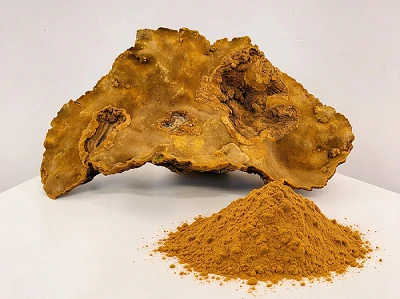
Artemisinin is a natural compound obtained from Artemisia annua and is best known as the parent compound of several antimalarial medicines.
As with other active pharmaceutical compounds, safety depends on the specific compound, formulation, dose, treatment duration and individual circumstances. It is therefore important to distinguish clinical use of artemisinin derivatives from the use of botanical materials or dietary supplements.
What Are the Common Side Effects of Artemisinin?
Reported adverse effects vary depending on the specific artemisinin compound and treatment regimen.
Potential effects may include:
- Nausea
- Vomiting
- Abdominal discomfort
- Headache
- Dizziness
- Fatigue
- Muscle or joint discomfort
- Skin reactions
Many reported effects associated with recommended antimalarial regimens are mild and temporary. However, adverse events should always be evaluated in the context of the specific medicine and treatment setting.
Can Artemisinin Cause Serious Side Effects?
Serious adverse reactions are less common but can occur with medicines containing artemisinin derivatives.
Potential concerns may include:
- Hypersensitivity reactions
- Abnormal liver enzyme levels
- Hematological effects
- Delayed hemolysis in specific treatment settings
- Other clinically significant reactions
The risk profile is not identical for every artemisinin-related compound. Therefore, safety information should be reviewed for the specific medicine or ingredient being considered.
Artemisinin Side Effects in Dogs
The anti-malarial drug artesunate has shown anticancer activity in vitro and in preliminary animal experiments, but experience in patients with cancer is very limited. Pre-clinical studies in dogs indicated morbidity at high dosage levels. This study evaluated the effects of artesunate in canine cancer cell lines and in canine cancer patients. Four canine cell lines were tested in vitro for sensitivity towards artesunate and dihydroartemisinin (DHA; active metabolite of artesunate). The half-maximal inhibitory concentration (IC50) values for artesunate or DHA were 2-60 μM in three cell lines, while one cell line was much less sensitive to artesunate (IC50 337 μM) than to DHA (IC50 50 μM). A safety/efficacy field study with artesunate was conducted in 23 dogs with non-resectable tumours.
Artesunate was administered for 7-385 days at a dosage of 651-1178 (median 922) mg/m2. No neurological or cardiac toxicity was observed and seven dogs exhibited no adverse effects at all. Fever and haematological/gastrointestinal toxicity, mostly transient, occurred in 16 dogs. One dog died from pneumonia. Plasma artesunate and DHA levels fell below the limit of detection within 8-12 h after artesunate administration, while levels after two hours were close to 1 μM. Artesunate produced a long-lasting complete remission in one case of cancer and short-term stabilization of another seven cases.
Artemisinin Side Effects liver
Some artemisinin-containing treatment regimens have been associated with changes in liver enzymes.
Several factors can influence liver-related risk, including:
- The specific compound
- Dose
- Treatment duration
- Formulation
- Other medicines
- Individual health conditions
According to the case study reported in the Aug. 14 issue of Morbidity and Mortality Weekly Report, a man with normal liver function experienced worsening abdominal pain and spikes in liver enzymes after taking a supplement containing 600 mg of artemisinin for 10 days.
People with existing liver conditions or those taking multiple medications should seek professional medical advice before using artemisinin-containing products.
Artemisinin Side Effects lyme disease
Lyme borreliosis is associated with memory deficits. While this may be related to cerebral infection by Borrelia bacteria, it may also be caused by concomitant co-infection by Babesia protozoa. The anti-malarial artemisinin-derivative artesunate has been shown to be effective against a number of Babesia species and to have efficacy against human cerebral malaria. We hypothesised that concomitant administration of artesunate in Lyme borreliosis patients would help alleviate the severity of self-reported short-term memory impairment. This hypothesis was tested in a small pilot study in which patients were treated with both an intravenous antibiotic and oral artesunate (20mg four times per day); treatment was associated with a reduction in the severity of short-term memory difficulties (P≃0.08). In light of these findings, we recommend that a formal randomised, placebo-controlled study be carried out.
Artemisinin Drug Interactions
Potential interactions should also be considered.
People taking prescription medicines should not assume that an artemisinin-containing product is compatible with every medication. Drug interactions can depend on the exact compound, dosage and metabolic pathways involved.
Particular caution may be appropriate for people taking multiple medicines, including anticonvulsants or other drugs with clinically significant interactions.
Is Artemisinin Safe to Take?
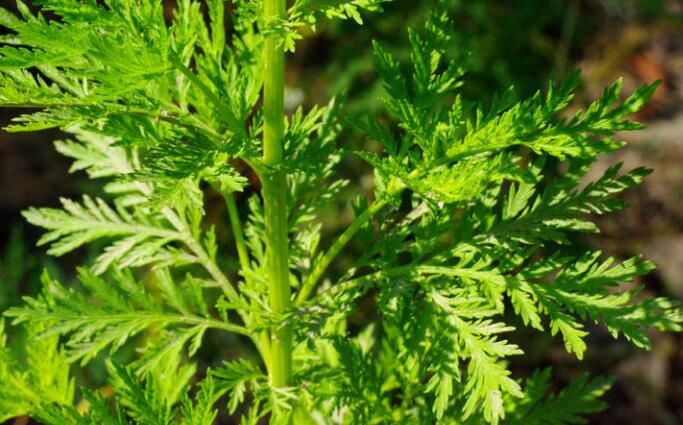
Artemisinin (called qinghaosu in Chinese) is found in the leaves of Artemisia annua (the sweet wormwood shrub) and has long been used as an herbal treatment in China. Although widely used in herbal supplements of U.S. manufacturers, until recently artemisinins were not available for medical use in the United States except from CDC under an investigational new drug protocol (1). In April 2009, an artemisinin combination therapy, artemether-lumefantnrine (Coartem [Novartis]), was approved by the Food and Drug Administration (FDA) for the treatment of malaria. Artemisinin-containing therapies generally are considered safe, effective, and well-tolerated medications for the treatment of malaria caused by P. falciparum with no major side effects (2--4). Although hepatic toxicity in humans has been reported from ingestion of a wide range of herbal preparations, a search of the literature revealed no previously published reports of hepatic toxicity from an herbal supplement containing artemisinin. However, FDA's Center for Food Safety and Applied Nutrition has additional reports of adverse events involving ingestion of artemisinin-containing dietary supplement products that were not included in this review (FDA, unpublished data, 2009).
Who Should Use Caution With Artemisinin?
Extra caution may be appropriate for:
- People taking multiple prescription medicines
- People with liver conditions
- People with a history of drug allergies
- Pregnant or breastfeeding individuals
- Children
- People considering prolonged or high-dose use
Artemisinin-containing medicines used for malaria should follow professional treatment guidance rather than self-medication.
When Should Professional Advice Be Sought?
Professional advice is particularly appropriate when:
- A person is taking multiple medications
- A product is intended for prolonged use
- A person has an existing liver condition
- An allergic reaction is suspected
- The product is being considered during pregnancy
- The intended use involves cancer or another serious disease
Artemisinin should not be used as a substitute for established treatment of serious diseases.
Can Artemisinin Be Taken Daily?
There is no universal daily dosage recommendation for artemisinin as a general supplement.
Clinical malaria treatment follows specific regimens based on the medicine, indication, patient characteristics and local treatment guidelines.
For bulk Artemisinin Powder, contact us at email: herbext@undersun.com.cn
Related sources
References
Gordi T, Lepist EI. Artemisinin derivatives: Toxic for laboratory animals, safe for humans? Toxicology Letters. 2004.
Hien TT, et al. Pharmacokinetic and toxicological profile of artemisinin compounds: An update. Clinical Pharmacokinetics. 2009.
Rehman K, et al. Haemolysis associated with the treatment of malaria with artemisinin derivatives: A systematic review of current evidence. International Journal of Infectious Diseases. 2014.
Gomes C, Boareto AC, Dalsenter PR. Clinical and non-clinical safety of artemisinin derivatives in pregnancy. Reproductive Toxicology. 2016.
World Health Organization. WHO Guidelines for Malaria. Geneva: World Health Organization.