
What is Lutein?
Lutein is a natural plant compound called a carotenoid. It gives many fruits and vegetables their yellow, orange, or green color. Your body cannot produce lutein on its own, so you must get it from food.
What Foods Have Lutein?
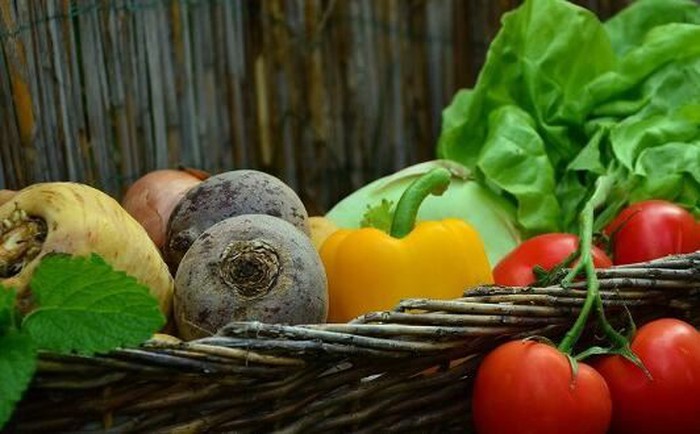
Although lutein and zeaxanthin are responsible for the bright colors of many fruits and vegetables, they're actually found in greater amounts in leafy green vegetables. Interestingly, the chlorophyll in dark-green vegetables masks lutein and zeaxanthin pigments, so the vegetables appear green in color.
Key sources of these carotenoids include kale, parsley, spinach, broccoli and peas. Kale is one of the best sources of lutein with 48–115 mcg per gram of kale. By comparison, a carrot may only contain 2.5–5.1 mcg of lutein per gram. Orange juice, honeydew melon, kiwis, red peppers, squash and grapes are also good sources of lutein and zeaxanthin, and you can find a decent amount of lutein and zeaxanthin in durum wheat and corn as well. In addition, egg yolk may be an important source of lutein and zeaxanthin, as the high fat content of the yolk may improve the absorption of these nutrients.
Fats improve the absorption of lutein and zeaxanthin, so including them in your diet, such as some olive oil in a green salad or some butter or coconut oil with your cooked greens, is a good idea.

Foods High in Lutein and Zeaxanthin

#1: Dark Leafy Greens (Spinach)
| Lut + Zea per Cup Cooked |
Lut + Zea per 100g |
Lut + Zea per 200 Calories |
|---|
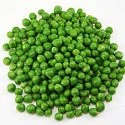
#2: Green Peas
| Lut + Zea per Cup Cooked |
Lut + Zea per 100g |
Lut + Zea per 200 Calories |
|---|---|---|
| 4149μg | 2593μg | 6174μg |

#3: Summer Squash
| Lut + Zea per Cup Cooked |
Lut + Zea per 100g |
Lut + Zea per 200 Calories |
|---|---|---|
| 4048μg | 2249μg | 22490μg |
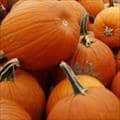
#4: Pumpkin
| Lut + Zea per Cup Cooked |
Lut + Zea per 100g |
Lut + Zea per 200 Calories |
|---|---|---|
| 2484μg | 1014μg | 10140μg |
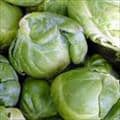
#5: Brussels Sprouts
| Lut + Zea per Cup Cooked |
Lut + Zea per 100g |
Lut + Zea per 200 Calories |
|---|---|---|
| 2012μg | 1290μg | 7167μg |

#6: Broccoli
| Lut + Zea per Cup Cooked |
Lut + Zea per 100g |
Lut + Zea per 200 Calories |
|---|---|---|
| 1685μg | 1080μg | 6171μg |
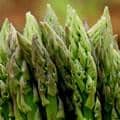
#7: Asparagus
| Lut + Zea per Cup Cooked |
Lut + Zea per 100g |
Lut + Zea per 200 Calories |
|---|---|---|
| 1388μg | 771μg | 7009μg |
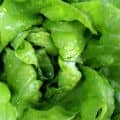
#8: Romaine Lettuce
| Lut + Zea per Cup |
Lut + Zea per 100g |
Lut + Zea per 200 Calories |
|---|---|---|
| 1087μg | 2312μg | 27200μg |
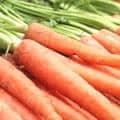
#9: Carrots
| Lut + Zea per Cup Cooked |
Lut + Zea per 100g |
Lut + Zea per 200 Calories |
|---|---|---|
| 1072μg | 687μg | 3926μg |

#10: Pistachios
| Lut + Zea per 1 Oz Handful |
Lut + Zea per 100g |
Lut + Zea per 200 Calories |
|---|---|---|
| 824μg | 2903μg | 1037μg |
What Foods Have Highest Lutein?
The best natural food sources of lutein and zeaxanthin are green leafy vegetables and other green or yellow vegetables. Among these, cooked kale and cooked spinach top the list, according to the U.S. Department of Agriculture (USDA).
Non-vegetarian sources of lutein and zeaxanthin include egg yolks. But if you have high cholesterol, you're much better off getting most of these yellow nutrients from fruits and vegetables.
You can also refer to the lutein content of other foods:
Leeks: 18226.9 μg of lutein per 100g edible portion
Celery: 12922.6 μg of lutein per 100g edible portion
Bok choy: 6699.5 μg of lutein per 100g edible portion
Water spinach: 5323 μg of lutein per 100g edible portion
Broccoli: 3507.2 μg of lutein per 100g edible portion
Lettuce: 2211.7 μg of lutein per 100g of edible portion
Rosabrina: 1656 μg of lutein per 100g of edible portion
Cucumber: 1585.1 μg of lutein per 100g of edible portion
Garlic scapes: 1319 μg of lutein per 100g of edible portion
Lutein Benefits
Lutein for Eyes: Protects Against Eye Disorders Like Macular Degeneration
What is the best eye vitamin for macular degeneration? Lutein vitamin is considered a natural treatment for macular degeneration symptoms (AMD), which is considered the most common cause of blindness among older adults. Estimates show that more than 25 million people worldwide are affected by age-related macular degeneration or cataracts, especially people aged 55 and older living in industrialized Western nations. Sadly, the incidence of AMD is expected to triple by 2025, according to the American Optometric Association.
Lutein protects the eyes by filtering out a percentage of damaging short-wavelength UV light that negatively affects delicate parts of the eyes, such as the retina (the macula). Researchers at Harvard University have found that supplementing with lutein daily can lower the risk for macular degeneration.
Similarly, other studies show that higher dietary intakes of zeaxanthin and lutein along with other natural antioxidants, including vitamin C, beta-carotene and vitamin E, are associated with a significantly decreased risk of cataract formation. While the research is still in its early stages, taking lutein three times weekly for up to two years has been shown to improve vision in older people who already have cataracts.
When it comes to eye health, every person is different in terms of how much lutein is most beneficial. It's possible that for some people, even with a relatively high intake of high-antioxidant foods, their blood levels might be high enough in nutrients like lutein, but testing tissues within their eyes will show that their retinal levels still remain too low. Luckily, doctors now have the ability to measure macular pigment levels of lutein in someone's eyes in order to determine if that person is at an increased risk for disease. By performing a macular pigment optical density test (MPOD), doctors can better give specialized dietary recommendations for protective nutrients based on individual responses, genetic predisposition and lifestyle factors.
Lutein Benefits for Skin
The skin is the body's largest organ. The key to beautiful skin is healthy skin, and lutein is a major player. Lutein helps protect skin from harmful light. Sunlight can be very harsh on the skin and it is a major cause of premature aging. Lutein works to filter out high-energy blue light. Blue light not only penetrates the surface layers of skin (as UV light does), but it also goes even deeper, reaching the entire depth of skin. With potential damage to all the skin layers, it is no wonder that wrinkles, reddening, age spots, dryness and sagging may result. While lutein should not replace the regular use of sunscreen, it can add another level of sun protection by defending the skin from the inside out.

How to Improve Lutein Absorption?
Eating the right foods is only half the battle. You also need to ensure your body can effectively absorb the nutrients you ingest. Follow these simple tips to maximize the benefits of your diet:
Pair with Healthy Fats
Add olive oil, avocado, or nuts to your meals. Fat helps your body absorb lutein more effectively.
Mix Raw and Cooked Foods
Some vegetables release more nutrients when cooked. Others retain more nutrients when raw. Eating both forms provides balance.
Build Balanced Meals
Combine vegetables, proteins, and fats in one dish.
For bulk lutein powder, please contact us at email: herbext@undersun.com.cn
References
https://www.healthline.com/nutrition/lutein-and-zeaxanthin#sources
https://www.myfooddata.com/articles/high-lutein-and-zeaxanthin-foods.php
https://www.webmd.com/vitamins/ai/ingredientmono-754/lutein
https://www.cooperaerobics.com/Health-Tips/Vitamin-Aisle/Improve-Skin,-Eye-and-Brain-Health-with-Lutein.aspx
https://www.consumerlab.com/answers/what-is-a-safe-dosage-of-lutein/lutein-dose/