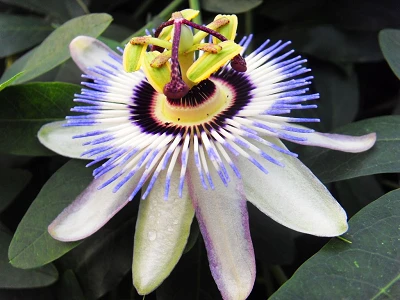
what are botanical extracts?
Botanical Extracts,refer to the product formed by using plants as raw materials, according to the needs of the final product, through the process of extraction and separation, to obtain or concentrate one or more components in plants, generally without changing the original components of plants. According to needs, it can also be supplemented with excipients to make a powder or granular product with good fluidity and moisture resistance, but there are also a small amount of liquid or oily products.
The result of this procedure is a highly concentrated ingredient that can be absorbed and effectively addresses specific skin issues.
The concentrated forms of botanical extracts used for medicinal purposes can be found in a variety of skin, hair, and dental products. They have also been used in traditional medicine for thousands of years. As research advances, businesses will be able to utilize the advantages of these extracts even more precisely.
Organic concentrates consider the skin to renew. They also have antioxidant properties and numerous healing properties.
Because of their antioxidant, anti-inflammatory, and antimicrobial properties, they are frequently added to skincare products. Because of their high concentration, botanical extracts frequently appear further down the ingredient list. This is due to the fact that ingredients are listed by volume, and even a small amount of a botanical extract can have a significant impact.

Types of Botanical Extracts:
The classification of plant extracts is mainly based on the following:
1. According to the intrinsic quality and separation of the extract
Purification purity is divided into: proportional extract, standardized extract, purified extract
2. According to the extraction solvent, it is divided into: water extract, ethanol extract, and other solvent extracts.
3. Classified according to the physical form of the extract: powder extract, liquid extract, paste extract.
what are herbal extracts
Natural Concentrates are a substance made by extricating a piece of home grown unrefined substance, generally by utilizing a dissolvable like water. The extraction of herbs typically aims to extract as much of the plant's original chemical compounds as possible, many of which have therapeutic properties. Tinctures, absolutes, and powders are all possible packaging options for extracts.
In Ayurveda and homeopathy, Top Standardized herbal extracts are utilized as both traditional and alternative forms of medicine. It is one of the oldest and most widely used treatments for improving health in general.

what are herbal extracts used for
●Reduces the Risk of Side Effects
Herbal extracts are an excellent option for individuals who are allergic to components in prescription medications. Spices are known to have more extraordinary incidental effects regardless of whether they are taken for a more drawn out span and upgrade in general wellbeing.
●Relief from Symptoms
Some herbal extracts may boost immunity without causing side effects and are better at relieving symptoms, particularly when fighting allergies.
● Practical
One of the huge advantages of natural concentrate is its reasonableness. Without a prescription, these extracts are affordable and pocket-friendly.
●Easily Available
A few herbal extracts are available without a prescription as over-the-counter medications. It is said that supplements containing peppermint, chamomile, basil, turmeric, honey, garlic, ginseng, amla, and licorice are well-known and readily available treatments for colds, flu, and other respiratory illnesses.
●Treats Chronic Conditions
White pepper and fenugreek, as well as other herbal extracts, are frequently suggested as potential treatments for infertility.
● Strength
Another most prominent advantage is that the phytochemicals are intense and exceptionally absorbable. A diet high in a variety of vibrant vegetables, fruits, and fresh-cut herbs has helped many people with chronic illnesses because plants have always had strong healing properties.
●Versatility
The nature of liquid tinctures is versatile. One can take them directly from the container utilizing a dropper, added to food sources or drinks, and furthermore can consolidate them with other natural concentrates to make recuperating elixirs, syrups, teas, treatments, rejuvenating ointments, and that's just the beginning.
●Targeted Healing
Some herbs provide a highly adaptable and individualized approach to health. Combining various products for optimal healing, these extracts may offer targeted healing properties for specific health issues.

What are plant crude extract
The crude extract is the extract that was made by extracting an active component—such as crude protein—from natural materials with solvents in order to make pharmaceutical drugs.
Crude Extract Methods
Maceration The solid ingredients are kept in stoppers containing the necessary solvent and agitated continuously for nearly three days in a warm location until the soluble matter is dissolved. After that mixture is filtered, enough solvent is used to wash away the remaining particles. This procedure makes use of water, aqueous, and non-aqueous solvents as its solvents.
Dimaceration
In Dimacreation, this cycle included resulting redundancy of a similar maceration process twice for the unrefined concentrate development.
Decoction
In the described procedure, the water-soluble extract is produced by heating continuously for a predetermined amount of time. This extract, which dissolves in water, is strained before being chilled. For getting the necessary volume of concentrate, adequate virus water can be added with something similar.
Imbuement
Imbuement is the type of a weaken arrangement of currently pre-arranged solvent parts of unrefined medications. In addition to heating, the maceration step is carried out for a shorter period of time when making fresh infusion. Water is the solution used in this process.
Digestion is a type of maceration that prepares the extract by gently heating it. It was used when extract formation at moderately elevated temperatures required high solubility.
Percolation is a common type of extraction in which percolators of various shapes and sizes, such as glass and porcelain, are used to create the extract, known as percolate. After mixing the appropriate amount of the drug with the solvent, it is allowed to stand for some time. As the medication gets expanded, the medication having dampness is filled into the percolator without packing it. After that, the solvent is poured out of the system, which speeds up the maceration process. The extract is the resulting product.

What is botanical extract used for?
1. Potency
The phytochemicals in botanical extracts are very potent and easy to absorb, which makes them one of the best benefits. This is primarily due to the fact that they enter the bloodstream directly and bypass our digestive system. The impacts will generally be more quick subsequently.
Plants have consistently had strong recuperating properties, which is the reason an eating regimen wealthy in different brilliant vegetables, organic products, and new cut spices has helped many individuals experiencing persistent sickness. However, if our digestion is compromised or we have underlying chronic infections, it can be difficult to absorb all of the nutrients and beneficial compounds like antioxidants from food-based sources.
This is where organic concentrates come in. They can give an additional layer of recuperating properties that supplement an even eating regimen and way of life.
2. The versatility of these liquid tinctures is another great advantage of using botanical extracts. They can be taken with a dropper right out of the bottle, mixed with other botanical extracts to make healing elixirs, syrups, teas, salves, and essential oils, among other things.
Because it is based on liquid and is simple to consume, a botanical extract is an excellent choice for people who have difficulty swallowing pills or capsules. What's more, there are a lot of choices to suit your requirements with regards to the color base, like liquor, glycerin, water, or even vinegar.
For instance, in the event that you are experiencing stomach related upset like bulging, gas, heartburn, etc, however a liquor based arrangement disturbs your mouth, the Shrewd Lady Herbals' Belly Glycerite is an extraordinary choice. It has three botanical extracts—fennel, lemon balm, and chamomile—in a base of sweet glycerin and spring water to help calm the mind and stomach.
3. Designated Mending
In conclusion, the capacity to separate specific bioactive mixtures and consolidate specific spices offers an exceptionally adaptable and designated way to deal with your wellbeing. When it comes to dietary supplements, a lot of people with chronic illnesses prefer to take fewer of them. The system can be overwhelmed by too many ingredients, and some of them may not even be necessary for you.
Combining various products for optimal healing, botanical extracts offer targeted healing properties for specific health issues. For instance, if you want to improve adrenal support while also supporting healthy liver function, you might concentrate on two single plant extracts like milk thistle and ashwagandha.

How to make botanical extracts?
Fresh or dried plant parts can be used to make herbal extracts. It is anticipated that the desired chemical component will be transferred from the plant material to the surrounding solvent (menstruum) during the extraction process. The enriched menstruum can now undergo purification and be utilized for medicinal or therapeutic purposes at the conclusion of the extraction process. The utilized plant material can now be disposed of.
Oils are used to make herbal extracts when the chemical of interest is only soluble in the oil phase or lipophilic. Solvents used for extraction The oil-soluble chemical beta carotene in carrots, for example, can only be extracted in a lipophilic medium. In this case, you will need to use an oil-based liquid for the extraction.
If the chemical of interest is water-soluble or hydrophilic, additional solvents that can be utilized include glycerin, alcohol, apple cider vinegar, and water. The main distinction between separates produced using these solvents is time span of usability of the concentrate made with them. Glycerine and apple cider vinegar extracts can only be kept for about six months in the refrigerator, while water extracts should not be kept for longer than one day. Alcohol extracts, on the other hand, can be kept for at least one year.
Extracts can also be cooked (heated) or kept at room temperature. While heating them slowly and carefully can produce extracts in less than 24 hours, keeping them at room temperature can only produce extracts of a high quality when they are left alone and agitated daily for 2-4 weeks. Additionally, some solvents, like alcohol, which is flammable, cannot be heated.
Material from fresh or dried plants Extracts can be made from either fresh or dried plants. The only difference is that dried plant materials have had their water removed, so rehydrating them will require more solvent.
As a result, the solvent to plant material ratio in dry and fresh material extractions differ.
The ratio of dry plant material to solvent extraction is 1:5, whereas the ratio of fresh plant material to solvent extraction is about 1:2. It is essential to weigh out both the plant material and the solvent each time you make an extract to ensure consistency.
Botanical Extract applications:
Health food (dietary supplement)
The raw materials of plant extracts that can be used in health food include pepper, tomato, grape seed, tea leaf, burdock root, sea buckthorn leaf, tempeh, ilex kudingcha, prickly pear cactus and other foods, also including turmeric, clove, star anise, knife Bean, fennel, thistle, yam, hawthorn, purslane, black snake, ebony, papaya, hemp seed and other medicinal and edible raw materials, as well as ginseng, ginseng leaf, ginseng fruit, notoginseng, Smilax cocos, Thistle, Ligustrum lucidum, Cornus officinalis, Achyranthes achyranthes, Fritillaria chinensis, etc. can be used as raw materials for health food, as well as new resources imported from abroad, such as milk thistle, lutein ester, Maca, Arana berries, etc. food.
Food and Food Additives
Food raw materials: including tea, fruits and vegetables, grains, edible fungi, food and traditional Chinese medicinal materials, etc., which have undergone primary processing, as well as plant extracts such as plant protein obtained through deep processing, and solid instant tea.
Food additives: At present, there are 23 categories and more than 2,000 varieties of food additives in my country, including acidity regulators, anticaking agents, defoamers, antioxidants, bleaching agents, leavening agents, colorants, color retaining agents, enzyme preparations, Flavor enhancers, nutrition enhancers, preservatives, sweeteners, thickeners, spices, etc.
Drug
Traditional Chinese medicine formula granules: It is made of single Chinese medicine decoction pieces through water extraction, concentration, drying, and granulation. After the clinical formula of traditional Chinese medicine, it is used by patients for brewing. Chinese medicine formula granules are a supplement to traditional Chinese medicine decoction pieces.
Active ingredients of raw materials extracted from traditional Chinese medicine: specifically refers to the single active ingredient that is extracted and separated from traditional Chinese medicinal materials or natural plants, has clear biological activity, and has a content of more than 90%. It has a drug approval number and can be used as a traditional Chinese medicine preparation raw materials; and Chinese medicines or natural plants as raw materials, prepared after extraction and separation, can be used as raw materials for chemical preparations, and the products include: artemisinin, paclitaxel, and camptothecin.
Standardized Chinese medicine extracts: Refers to ingredients such as volatile oils, oils, extracts, liquid extracts, active ingredients, etc. that are stated in the prescription items of the national drug standards of Chinese patent medicines, have separate national drug standards, and are used for the production of Chinese patent medicines. It mainly refers to the extracts of traditional Chinese medicines included in the "Plant Oils and Extracts" project of the Pharmacopoeia. The 2020 edition of "Chinese Pharmacopoeia" contains 47 kinds of vegetable oils and extracts.
Cosmetic
Plant extracts that can be used as cosmetic raw materials include aloe extracts, apple extracts, grape extracts, ginseng extracts, etc. Plant essential oils are also widely used in personal care products.
Agricultural
Agricultural inputs refer to substances used or added in the production process of agricultural products, including agricultural production materials such as seeds, seedlings, fertilizers, pesticides, veterinary drugs, feed and feed additives, and agricultural engineering such as agricultural film, agricultural machinery, and agricultural engineering facilities and equipment. material products. Agricultural inputs made from plants (Chinese herbal medicines) are called "Chinese herbal medicines agricultural inputs", including feed plant extracts, Chinese veterinary medicines, feed additives, disinfectants, botanical pesticides, plant organic fertilizers, etc.
Industrial and others
Many characteristics of plant extracts have been applied to industrial production. For example, Gueph University in Ontario, Canada, successfully developed a new type of high-temperature resistant food packaging material polyethylene teaphenol resin (PEN) by polymerizing tea polyphenols with other monomers. It is different from the current The traditional food packaging material polyethylene terephthalate (PET) is mixed to form a new PEN/PET material, which has the advantages of high heat resistance, brittle crack resistance, moisture resistance, oxidation resistance and ultraviolet radiation resistance. Using tea tannin extracted from tea leaves as raw materials, a biodegradable polyurethane foam material is synthesized, which has stronger mechanical strength than ordinary polyurethane and can be completely biodegraded in the natural environment.
The extract is also often used as an antioxidant in industrial manufacturing and construction, and is also suitable for uses such as the metallurgical industry.
botanical extract company
We are botanical extract company,supplier,manufacturer,For pricing quotes we require business name, business address, phone number and website URL before a quote can be provided. Please also indicate the items and volume needed (our MOQ is 1kg per species).
References:https://perfectimage.com/about/blog/botanical-extracts/
https://arjunanatural.com/herbal-extracts-health-benefits/
https://unacademy.com/content/nta-ugc/study-material/pharmaceutical-analysis/an-ultimate-guide-on-crude-extract/
https://wisewomanherbals.com/blogs/news/top-3-botanical-extract-benefits
https://bareskinnaturals.com/helpful-tips/how-to-make-herbal-extracts/