
In the growing market of dietary supplements, ensuring that raw materials meet the highest standards is not just about meeting regulations-it's about delivering the best possible product to your customers. When it comes to sourcing Chaga mushroom extract for your supplement line, quality and authenticity are paramount. One of the most important steps in ensuring the integrity of your ingredient is ID test. This blog post takes a deeper dive into what makes raw materials that pass ID testing superior to those that don't, and why Chaga Mushroom Extract Supplier is the best choice for manufacturers seeking consistency, reliability, and purity.
The Hidden Benefits of ID Testing for Chaga Mushroom Extract in Supplements
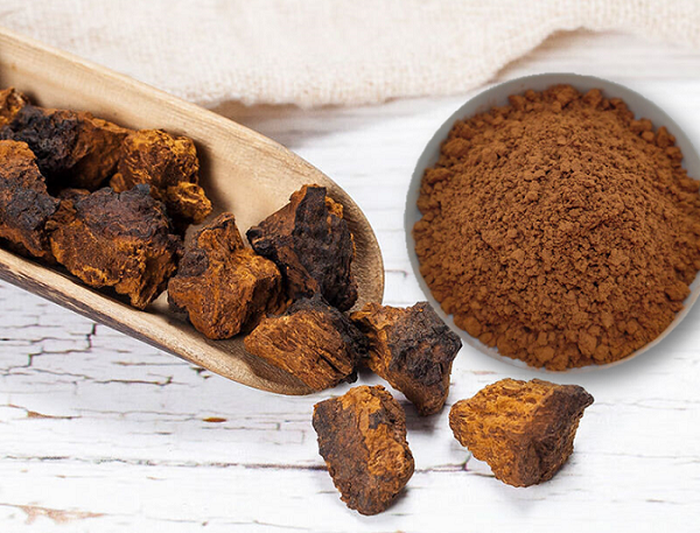
Chaga mushroom (Inonotus obliquus) has long been celebrated in traditional medicine for its potent health benefits. Known for its high levels of beta-glucans, a type of polysaccharide that supports immune function, Chaga has gained popularity in modern wellness products. Today, the extract is commonly found in supplements aimed at supporting immunity, fighting oxidative stress, and promoting overall health.
Why is ID Testing for Chaga Mushroom Extract So Important?
ID testing is the process of verifying that the raw material is indeed what it's supposed to be. This critical testing step ensures that Chaga mushroom extract is authentic and derived from Inonotus obliquus rather than another species, which could have a very different profile of active compounds. For a raw material like Chaga, which is valued for its high beta-glucan content, passing ID testing is an essential step in safeguarding both quality and potency.
What is ID Testing?
ID testing refers to the process of verifying the authenticity of a raw material to ensure that it is what it claims to be. In the case of Chaga mushroom extract, ID testing ensures that the product is derived from the correct species, Inonotus obliquus, and not from a cheaper, potentially ineffective substitute. This process is typically carried out using scientifically proven techniques such as:
The primary identification (ID) test for Chaga mushroom (Inonotus obliquus) extract is DNA-based testing (RT-qPCR), which detects species-specific markers to verify authenticity. Other methods include GC-MS/MS to analyze polysaccharide components (like beta-glucan) and TLC/HPLC to identify triterpenoids, such as betulin.
- DNA-based Testing: Using molecular biology techniques to confirm the genetic identity of the mushroom species.
- TLC (Thin-layer chromatography ) and High-Performance TLC (HPTLC) for Chaga mushroom (Inonotus obliquus) extracts are used to identify bioactive markers like triterpenoids (e.g., inotodiol, trametenolic acid) and phenolics. Samples are typically separated on silica gel plates, with specific spots visualized under UV light, often to distinguish genuine chaga from grain-based products.
- HPLC (High-Performance Liquid Chromatography): A chemical analysis method to identify and quantify key bioactive compounds, such as beta-glucans, ensuring the extract contains the necessary therapeutic properties.
By using raw materials that have undergone ID testing, manufacturers can be confident that they are sourcing high-quality, authentic Chaga mushroom extract. This guarantees that the final product will meet the specified health claims and potency levels.
ID testing ensures that the bioactive compounds in the extract-especially beta-glucans-are present in the correct amounts, allowing supplement brand manufacturers to create formulations with predictable effects, helping to establish brand reliability.
Risks for Brand Use Chaga Extract Not Tested by ID?
1. Adulteration and Misidentification
Without proper ID testing, there is a risk of adulteration-where lower-quality or counterfeit species are passed off as genuine Chaga. For example, other mushroom species, such as Fomes fomentarius or Phellinus linteus, may look similar to Chaga but have a different chemical profile and lower bioactive compound content. These mushrooms may lack the same levels of beta-glucans that make Chaga so beneficial for immune health.
Adulterated products not only fail to deliver the desired health benefits but could also damage a brand's reputation. ID testing ensures that your Chaga mushroom extract is truly Inonotus obliquus, keeping your products authentic and effective.
2. Inconsistent Beta-Glucan Content
Beta-glucans are one of the primary active ingredients in Chaga, known for their immune-boosting and anti-inflammatory effects. If the raw material is adulterated, the beta-glucan content can vary significantly from batch to batch, leading to inconsistent potency in the final product.
ID testing, ensures that the extract contains the specified concentration of beta-glucans, such as 35% beta-glucan found in Undersun's Chaga Mushroom Extract. This consistency is crucial for manufacturers who need to guarantee the effectiveness of their formulations and meet regulatory standards.
3. Health and Safety Concerns
In some cases, failing to use properly identified raw materials can pose a health risk to consumers. Non-authentic Chaga mushrooms might contain toxins or other undesirable compounds that could harm the body, especially if not properly identified and processed.
ID testing helps identify not only the species but also any potential contaminants or harmful substances in the raw material, ensuring the final product is safe for consumption.
4. Regulatory Compliance
Many countries have stringent regulations for dietary supplements, requiring that the ingredients used in products are properly verified for authenticity and safety. Failing to conduct ID testing can lead to regulatory issues, including product recalls, legal fines, or even a loss of certifications.
By performing ID testing, manufacturers can ensure that they comply and other regulatory standards, reducing the risk of regulatory violations and protecting their brand's reputation.
Why Undersun Chaga Mushroom Extract Best Choice?
At Undersun, we understand the importance of ID testing in ensuring the highest standards of quality and efficacy. Wholesale chaga mushroom extract Polysaccharides >35%, Beta-glucan >35%, PASS ID is sourced from premium, ethically harvested Inonotus obliquus mushrooms and is rigorously tested to meet all ID standards.
Here's why Undersun Chaga Mushroom Extract stands out:
- Authentic Species: Our Chaga extract is sourced from genuine Inonotus obliquus mushrooms, verified through advanced ID testing methods, including DNA testing and TLC analysis.
- Guaranteed Potency: We offer a standardized extract containing >35% beta-glucans, ensuring that every batch delivers a consistent level of the active compound that Chaga is known for.
- Comprehensive Testing: We test not just for species authenticity, but also for contaminants such as heavy metals, pesticides, and microorganisms. Our extract is fully compliant with FDA, providing an extra layer of safety and reliability.
- Full Transparency: We provide a Certificate of Analysis (COA) with each batch, giving you confidence that the Chaga mushroom extract you're using is 100% authentic, safe, and effective.

Why Don't Traders Provide Supplement Manufacturers with ID Testing Reports?
1. Cost Concerns
One of the main reasons traders or raw material suppliers may not provide ID testing reports is the cost of testing. Conducting comprehensive ID tests, including DNA analysis or TLC, requires specialized equipment, laboratory services, and expertise, all of which can be costly. Unfortunately, this practice puts manufacturers at risk of receiving adulterated or low-quality ingredients, which can impact product effectiveness and safety.
2. Lack of Transparency or Accountability
Some traders may not provide ID testing reports because they lack transparency in their sourcing or don't have the necessary systems in place to trace the raw materials. This lack of transparency can stem from several factors:
- Unclear Sourcing Practices: Traders might source raw materials from regions or suppliers where the origin and quality of the material are not properly documented. In these cases, traders may avoid providing testing reports because they can't guarantee the authenticity or quality of the product.
- No Standardized Testing: In some cases, traders may rely on visual inspections or low-cost testing methods that don't meet international standards. If their testing procedures are not standardized or scientifically rigorous, they may be reluctant to provide results, as they would not be considered reliable or acceptable by manufacturers or regulatory authorities.
- Pressure to Cut Corners: In an industry where margins can be tight, there may be pressure on traders to reduce costs, and providing ID testing reports could be seen as an unnecessary expense. Without proper documentation, manufacturers have to rely on their own judgment or trust that the raw materials are authentic and compliant.
3. Regulatory Loopholes and Lack of Enforcement
In these cases, traders may simply provide a certificate of analysis (COA) that tests for basic parameters like heavy metals or moisture content, rather than performing comprehensive ID tests. While these tests help ensure the product is safe to consume, they don't confirm the identity or species of the raw ingredient, which is crucial for confirming its therapeutic value.
4. Risk of Compromising the Ingredient's Value
Some traders may avoid providing ID testing reports because they are aware that the raw materials may not be of the highest quality or may not match the claims they make about the product. For instance, a trader may be selling a substandard or adulterated version of a sought-after ingredient like Chaga mushroom extract, but without ID testing, they can avoid detection of the discrepancies. Providing ID testing results would expose these potential issues, which could harm their sales and reputation.
What Can Supplement Manufacturers Do?
While the reasons for not providing ID testing reports are varied, supplement manufacturers can take several proactive steps to ensure they are sourcing high-quality, ID-tested ingredients:
- Request Testing Reports Upfront: Always ask suppliers for ID testing reports before placing an order. If a supplier cannot provide them, it may be a red flag, and you may want to consider looking elsewhere.
- Work with Reputable Suppliers: Partner with established suppliers who have a proven track record of providing high-quality, ID-tested raw materials. Brands that offer full transparency, including testing reports and certifications, are often more reliable and trustworthy.
- Invest in In-House Testing: For critical ingredients, manufacturers may want to perform in-house ID testing or send raw materials to a third-party laboratory for testing. This helps ensure the authenticity of the ingredients and can help detect any discrepancies.
For a premium, ID-tested Chaga Extract that delivers guaranteed results, trust Undersun. Contact us today to learn more about our high-quality ingredients and how we can help you take your supplements to the next level.
Also See
Organic Hericium Erinaceus Powder