Summary: Hydrolyzed soy protein (HSP) is a versatile ingredient found in a surprising number of food products and even some cosmetics. Have you ever noticed it in your food or snacks? It is also listed as an ingredient on the soy sauce label. But what exactly is it, and how is it made? Is it safe for everyone, and what are its potential side effects? This article provides a comprehensive overview of hydrolyzed soy protein, covering everything from its production process to its various applications and potential concerns.
Keywords: Hydrolyzed soy protein, HPS, Hydrolyzed Vegetable Protein, Protein Powder, Protein, Food
Related products for this article: Hydrolyzed soy protein
What is Hydrolyzed Soy Protein?
Hydrolyzed soy protein is a derivative of soybeans that has undergone a process called hydrolysis[1]. Imagine taking a long chain of beads (the soy protein) and breaking it down into individual beads or smaller chains (peptides and amino acids). This is essentially what hydrolysis does. This process not only makes the protein easier for our bodies to digest and absorb but also unlocks its flavor-enhancing properties[2].
Soybeans are naturally rich in protein, and HSP retains this high protein content while offering improved digestibility and functionality compared to the original soy protein. This makes it a valuable ingredient in various food applications and nutritional supplements[3].

How to Make Hydrolyzed Soy Protein?
The production of HSP involves breaking down soy protein into smaller components, primarily peptides and amino acids[4]. This is achieved through two main methods:
- Acid Hydrolysis: This method employs hydrochloric acid to break down the protein[5]. After the process, the product is neutralized to remove the acid and further processed to achieve the desired characteristics[6]. While effective, acid hydrolysis can sometimes result in a less desirable flavor profile and may lead to the formation of unwanted byproducts.
- Enzymatic Hydrolysis: This method utilizes specific enzymes to break down the protein[7]. It's like using tiny scissors to precisely cut the protein chain at specific points. This allows for better control over the hydrolysis process and generally results in a product with a superior flavor profile and fewer unwanted byproducts.
After hydrolysis, regardless of the method used, the resulting product is typically neutralized, filtered to remove any impurities, and then dried to create a powder or concentrated liquid that can be easily incorporated into various products.
Is Hydrolyzed Soy Protein Vegan or Not?
Yes, hydrolyzed soy protein is completely vegan[8]. It is derived solely from soybeans, a plant-based source, making it suitable for individuals following a vegan or vegetarian diet. This makes it a valuable protein source for those who avoid animal products, contributing to a balanced and nutritious diet.
How is Hydrolyzed Soy Protein Used in Food?
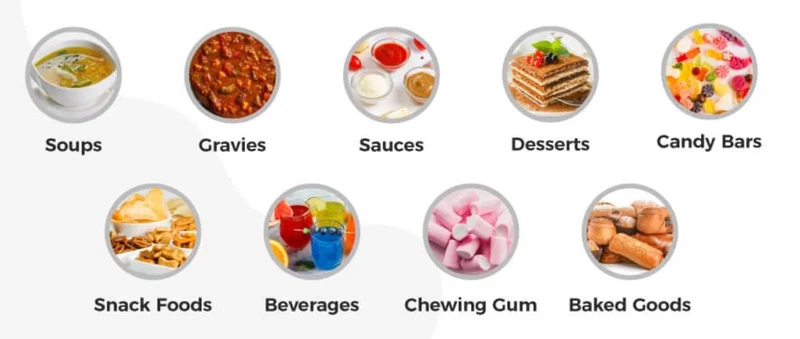
HSP's versatility makes it a popular ingredient in a wide array of food products[9]. Some of its common applications include:
- Flavor Enhancer: HSP possesses a savory, umami flavor that adds depth and complexity to many processed foods. It is often used in soups, sauces, gravies, snacks, and processed meats to enhance their palatability and create a more satisfying taste experience[10].
- Texture Modifier: In certain food products, HSP acts as a texture modifier. For instance, in meat products, it can improve the texture by increasing their water-holding capacity, resulting in a juicier and more tender final product.
- Nutritional Supplement: Due to its high protein content and digestibility, HSP is often incorporated into protein supplements, meal replacements, and sports nutrition products[11]. It provides a readily available source of protein for individuals looking to increase their protein intake or support muscle growth and recovery.
-
Emulsifier: HSP can act as an emulsifier, helping to stabilize mixtures of oil and water, preventing them from separating[12]. This is particularly useful in products like salad dressings and sauces.
Why Does Hydrolyzed Soy Protein Have an Umami Flavor?
The characteristic umami flavor of HSP is attributed to the presence of free amino acids, particularly glutamic acid, which are released during the hydrolysis process[13]. Glutamic acid is a naturally occurring amino acid that contributes significantly to the savory, umami taste sensation, often described as "meaty" or "brothy[14]."
When soy protein undergoes hydrolysis, the bonds that hold the protein chains together are broken, releasing free glutamic acid. This gives HSP its distinctive umami taste, making it a valuable flavor enhancer in various food products.
Uses of Hydrolyzed Soy Protein
While predominantly used in food, HSP also finds applications in other industries:
-
Cosmetics: HSP can be found in some skincare products due to its moisturizing and film-forming properties[15]. It can help to improve the texture of cosmetic formulations and contribute to skin hydration[16].
-
Animal Feed: HSP can be used as a protein source in animal feed, particularly for young animals, due to its high digestibility and amino acid profile[17].
-
Pharmaceuticals: In some instances, HSP is used as a carrier or excipient in pharmaceutical formulations.
What Are the Names of HVP on the Food Label?
Hydrolyzed soy protein can appear on food labels under various names, making it sometimes challenging to identify.
According to FDA's requirements for specific non-standardized foods, the common or usual name of a protein hydrolysate shall be specific to the ingredient and shall include the identity of the food source from which the protein was derived.
So the name "hydrolyzed vegetable protein" is not acceptable because they do not identify the food source of the protein.
And you'll find HVP in the name of "hydrolyzed wheat protein" "hydrolyzed soy protein" or "hydrolyzed corn protein".
Some common names include:
- Hydrolyzed soy protein
- Hydrolyzed vegetable protein (HVP)
- Soy protein isolate
- Textured vegetable protein (TVP)
- Soy sauce (often contains HVP)
-
Natural flavoring
-
Protein hydrolysate
It's essential to carefully read food labels to identify the presence of HSP, especially if you have specific dietary restrictions or sensitivities.

If I'm Sensitive to MSG, Should I Avoid HVP?
Hydrolyzed soy protein naturally contains glutamic acid, the same amino acid that forms the basis of monosodium glutamate (MSG). While HSP doesn't contain added MSG, individuals with MSG sensitivity might experience similar reactions to HSP due to the presence of free glutamic acid.
If you are sensitive to MSG, it's advisable to exercise caution when consuming products containing HSP. Start with small amounts and monitor your body's response. If you experience any adverse reactions, it's best to avoid HSP or consume it in moderation. Always consult with a healthcare professional or registered dietitian if you have any concerns about food sensitivities or allergies.
How to Choose the Right Protein for Different Occasions
Hydrolyzed soy protein offers a range of benefits and applications. Its high protein content, improved digestibility, and unique flavor-enhancing properties make it a valuable ingredient in various food products and nutritional supplements. However, it's crucial to be aware of its potential connection to MSG sensitivity and choose products wisely.
When to Choose Hydrolyzed Soy Protein:
- For enhanced flavor: When you want to add a savory, umami boost to soups, sauces, or snacks, HSP is an excellent choice.
- For improved digestibility: If you're looking for a highly digestible protein source, especially for supplements or those with digestive issues, HSP can be a good option[18].
- For vegan and vegetarian diets: As a plant-based protein, HSP is suitable for individuals following vegan or vegetarian lifestyles[19].
When to Consider Alternatives:
- MSG sensitivity: If you're sensitive to MSG, you might want to consider alternative protein sources or consume HSP with caution.
- Soy allergies: Individuals with soy allergies should strictly avoid HSP and any products containing it[20].
- Specific dietary needs: Depending on your individual dietary needs and health conditions, it's always advisable to consult with a healthcare professional or registered dietitian to determine the most suitable protein[21] sources for you.