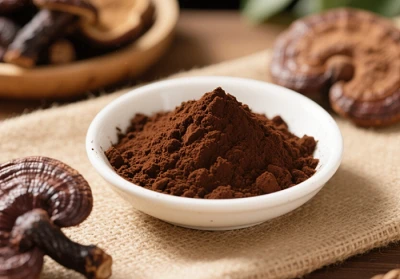
Matcha has become one of the fastest-growing ingredients in the global health market. It's loved in beverages, desserts, nutritional supplements, and functional foods. A frequently asked question is: Does matcha contain caffeine in it?
The answer is yes. However, the way matcha releases caffeine is quite different from coffee. As a professional matcha producer, we've compiled this guide to explain the science behind matcha and help you find the best quality matcha powder.
Does Matcha Have Caffeine?
Yes, matcha contains caffeine. Since matcha uses finely ground whole green tea leaves, it delivers more natural compounds than regular brewed green tea.
The caffeine content depends on several factors, including tea variety, growing conditions, harvesting time, and serving size. A typical serving of matcha (about 1 to 2 grams) contains between 35 mg and 70 mg of caffeine.
Matcha caffeine comes together with other natural compounds, especially L-theanine. This combination creates a smoother energy effect compared with many caffeinated beverages.
Matcha vs. Coffee: Why Matcha Provides Sustained Energy Without the Jitters
A standard cup of brewed coffee contains approximately 95 milligrams of caffeine. Coffee typically releases caffeine more quickly, and this rapid onset can cause some people to experience a sudden spike or drop in energy.
Matcha works differently. It releases caffeine into the bloodstream slowly over 4 to 6 hours, providing a sustained boost of energy. You won't experience the same symptoms as drinking coffee, such as anxiety, rapid heartbeat, or a sudden drop in energy. Additionally, matcha uniquely contains theanine, which helps create a relaxed and focused mental state.

L-Theanine and Caffeine: The Science Behind Matcha's Calming Focus
Matcha contains a unique amino acid called L-theanine. Due to a special shade-growing technique, matcha contains a high amount of this compound.
L-theanine crosses the blood-brain barrier and triggers alpha brain waves. These brain waves promote relaxation without inducing drowsiness. When L-theanine pairs with caffeine, it creates a state of calm alertness. You enjoy sharp mental focus without feeling wired or anxious.
How Cultivation Boosts Flavor and Nutrient Profile?
Cultivation plays a major role in matcha quality. Premium matcha often comes from carefully managed tea farms with controlled growing conditions.
Before harvest, farmers traditionally shade tea plants for several weeks. This process increases chlorophyll levels and changes the plant's chemical profile. Shading can block direct sunlight, promote chlorophyll production, and give tea leaves a deep, bright green color. Shading can also slow down the conversion of theanine into bitter catechins.
Shade-grown tea usually develops:
- Brighter green color
- Richer umami flavor
- Higher amino acid content
- Smoother taste
Harvest timing also matters. Young leaves usually create a more delicate flavor and finer texture. Older leaves may produce stronger bitterness and a less refined taste.
How Processing Impacts Taste?
After harvesting, tea leaves go through several important processing steps before becoming matcha powder.
The traditional process includes steaming, drying, removing stems and veins, and stone grinding. Each step influences the final taste, color, and texture.
Proper steaming helps preserve the natural green color of tea leaves. Careful drying protects flavor compounds and reduces unwanted aromas.
Grinding is one of the most important stages. Slow grinding produces extremely fine particles and helps create smooth matcha with excellent mouthfeel.
Ceremonial vs. Culinary Grade
Matcha powder comes in 5 grades, but you'll usually see two common grades: ceremonial grade and culinary grade.
Ceremonial grade matcha represents the highest quality category. It usually uses young tea leaves from the first harvest. This type offers a smooth texture, bright color, and balanced umami flavor. Many consumers use ceremonial matcha for traditional tea preparation. Premium beverage brands also use it for high-end matcha drinks.
Culinary grade matcha may have a stronger tea flavor. This characteristic works well when manufacturers combine matcha with milk, sweeteners, or other ingredients. It works well in smoothies, lattes, desserts, bakery products, and functional beverages.

Color, Texture, and Aroma: 3 Visual Signs of Premium Matcha Powder
You can easily evaluate matcha quality using your senses:
- Color: Look for a brilliant emerald green. Muted, yellow, or brownish hues indicate aged or low-quality tea.
- Texture: Premium matcha feels silken and ultra-fine. It rubs smoothly between your fingertips like baby powder.
- Aroma: Fresh matcha yields a sweet, grassy, and vegetal scent with a hint of roasted nuts.
Particle Size Matters: How Ultrafine Grinding Affects Solubility and Mouthfeel
Authentic ceremonial matcha undergoes slow grinding on traditional granite stone mills. A single stone mill produces only 30 to 40 grams of fine powder per hour.
This process reduces particle size to just 5 to 10 microns. Ultrafine particles suspend evenly in hot water without clumping. They create a silky mouthfeel and rich, creamy foam when whisked.
Common Red Flags: How to Spot Low-Quality or Fake Matcha
Avoid buying poor-quality matcha by keeping an eye out for these common warning signs:
- Coarse, Gritty Feel: Indicates machine-milled green tea powder instead of true Tencha.
- Bitter, Astringent Aftertaste: Suggests unshaded leaves harvested late in the season.
- Dull Olive Color: Points to high heat damage during grinding or heavy air oxidation.
- Unusual Fillers: Watch out for added sugars, rice powder, or artificial colorings.
A Manufacturer's Guide: How to Choose the Right Matcha for Your Needs
Choosing the right matcha powder supplier requires careful evaluation. Price alone should not determine the final decision.
Professional buyers should consider the following factors.
1. Raw Material Quality
Ask about tea origin, cultivation methods, and harvest season. Premium raw materials create better flavor and nutritional value.
2. Manufacturing Capability
A reliable manufacturer should have controlled production processes. This includes strict raw material inspection, grinding control, and quality testing. And the organic matcha factory should have FDA, EU Organic, USDA Organic, Kosher and Halal certificates to guarantee food safety and quality control.
3. Testing and Documentation
A professional supplier should provide:
- COA
- Specification sheet
- SDS
- Pesticide testing reports
- Heavy metal analysis
- Microbiological testing
These documents help brands meet customer expectations and market requirements.
4. Customization Support
Different applications need different matcha specifications.
- For Tea Rituals & Pure Drinks: You can choose First-Harvest Ceremonial Matcha. Its balanced umami profile requires no added milk or sweetener.
- For Lattes & Food Manufacturing: You need pick Culinary Grade Matcha. Its bolder flavor cuts through dairy, plant milk, and sugar.
5. Supply Stability
Long-term supply consistency is important for growing brands. A strong supplier should maintain reliable production capacity and quality control.
Ready to Source Premium Matcha Powder?
Undersun specializes in matcha powder production, committed to providing a stable supply of high-quality raw materials to global food and beverage brands. We offer five grades of matcha powder: Ceremonial Grade, Premium Grade, Culinary Grade, Ingredient Grade, and Barista Grade, to meet your diverse needs. Our wholesale matcha powder is readily available in our US warehouse, allowing us to fulfill urgent orders.
Contact us today to request samples, specifications, or a customized quotation for your matcha project.
Related sources of matcha
difference between green tea powder and matcha powder?
Organic Matcha Green Tea Factory Direct Supplier
matcha powder vs green tea powder
How long does matcha powder last?
Exploring the Versatile Applications of Matcha Powder in Baking
References
Kochman, J., et al. (2020). Health Benefits and Chemical Composition of Matcha Green Tea: A Review. Molecules.
Nobre, A. C., et al. (2008). L-theanine, a natural constituent in tea, and its effect on mental state. Asia Pacific Journal of Clinical Nutrition.
Dietz, C., & Dekker, M. (2017). Effect of Green Tea Constituents on Cognition: The Effects of L-Theanine and Caffeine. Phytomedicine.
Weiss, D. J., & Anderton, C. R. (2003). Determination of catechins in matcha green tea by micellar electrokinetic chromatography. Journal of Chromatography A.
Sokary, S., et al. (2022). The therapeutic potential of matcha tea: A critical review. Current Research in Food Science.