
Dietary supplement brands concerns about heavy metals and gluten in organic alfalfa meal stem from consumers' growing concerns about potential health risks, such as toxicity and allergic reactions, and their desire for greater transparency and safety in the products they consume. Organic alfalfa meal manufacturers earn consumers' trust through comprehensive contaminant testing, clear labeling, certifications (e.g., "gluten-free,""heavy metal-free"), and by ensuring their facilities adhere to strict sanitation and allergen-free standards. As more consumers demand safer, purer products, addressing these issues is becoming an important component to maintaining a competitive advantage in the health and wellness market.
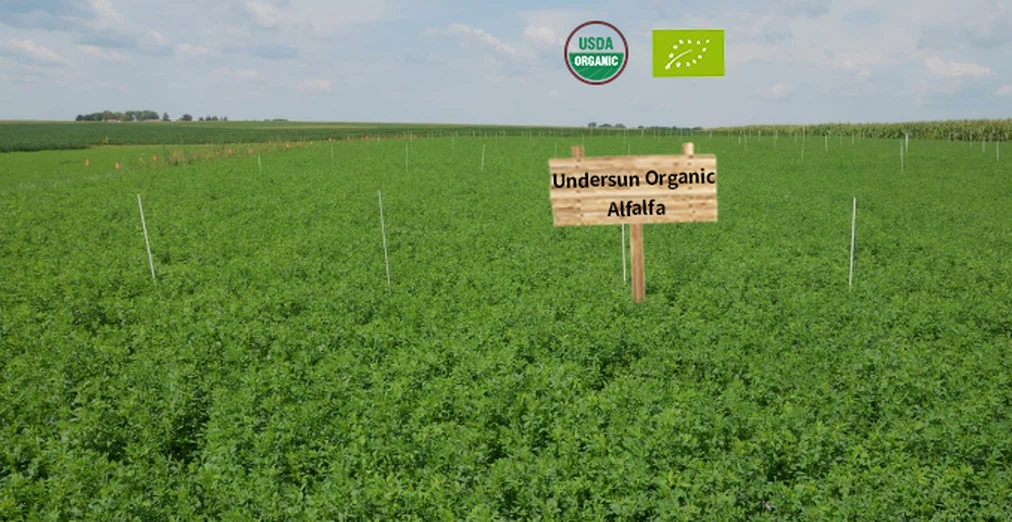
Solutions to Address Heavy Metals in Organic Alfalfa Powder
1. Heavy Metal Contamination in Alfalfa Powder
Sources of Heavy Metals:
- Soil Contamination: Heavy metals can be present naturally in soil, especially in areas that have been exposed to environmental pollution. Industrial farming or non-organic practices may exacerbate this, but even organic farming is not immune if the land has been previously contaminated or exposed to air pollution. Alfalfa, like other plants, can absorb metals like lead, cadmium, arsenic, and mercury from the soil, even if they are present at low concentrations.
- Water Contamination: Water used for irrigation can also carry heavy metals, especially if it's sourced from industrial regions or areas with mining activities. Alfalfa crops, being water-intensive, can absorb these metals through their roots.
- Fertilizers and Contaminated Inputs: While organic standards prohibit the use of synthetic fertilizers, they may still allow for natural fertilizers, such as manure or compost. If these fertilizers come from animals or plants that have been exposed to heavy metals, they can introduce contamination into the alfalfa powder.
Potential Health Effects:
- Lead and Cadmium: These metals are especially concerning because they are toxic even at low levels, and they tend to accumulate in the body over time. Lead exposure is associated with developmental and cognitive issues in children, while cadmium can affect kidney function.
- Arsenic: Chronic exposure to arsenic has been linked to cancers (particularly skin, lung, and bladder cancers), as well as issues with skin, lungs, liver, kidneys, and the nervous system.
- Mercury: Mercury poisoning can result from long-term exposure, leading to neurological issues, kidney damage, and developmental problems.
Because of these risks, consumers are increasingly seeking products that have undergone rigorous testing for heavy metals to ensure that levels are within safe limits. Organic certification alone may not be enough to guarantee the absence of these metals, especially given the environmental factors that can lead to contamination.
Mitigation and Transparency:
- Third-Party Testing: Many health-conscious consumers are looking for products that provide third-party lab results confirming the absence or low levels of heavy metals. Some companies choose to get their products tested for heavy metals through independent labs and display those results on product labels or websites.
- Certifications: Besides organic certification, some companies obtain additional certifications such as "heavy metal free" or "purity-tested," which provide further assurance about the quality and safety of the product.
2. Gluten in Alfalfa Powder
Why Gluten is a Concern:
- Celiac Disease: For individuals with celiac disease, even trace amounts of gluten can trigger severe autoimmune reactions. Ingesting gluten leads to inflammation in the small intestine, which can result in nutrient malabsorption, digestive problems, and long-term damage to the intestines.
- Non-Celiac Gluten Sensitivity: Even for people who do not have celiac disease, but who have non-celiac gluten sensitivity, exposure to gluten can cause digestive distress, fatigue, headaches, or joint pain. Many of these individuals avoid gluten to reduce symptoms.
- Cross-Contamination: While alfalfa itself is naturally gluten-free, it can easily become contaminated with gluten during harvesting, processing, or packaging. For example:
- Harvesting Equipment: If the same equipment is used to harvest both gluten-containing crops (e.g., wheat or barley) and alfalfa, cross-contact can occur.
- Processing Facilities: If alfalfa powder is processed in a facility that also processes gluten-containing products, there is a risk of cross-contamination unless strict cleaning protocols are followed.
- Packaging Lines: Cross-contamination can also happen if the alfalfa powder is packaged in facilities that handle gluten-containing ingredients.
How Gluten Can Be Avoided:
- Dedicated Gluten-Free Manufacturing: Many customers concerned about gluten seek out alfalfa powder that has been processed in facilities that are specifically dedicated to gluten-free production. These facilities follow strict protocols to avoid cross-contamination.
- Certified Gluten-Free Labeling: Gluten-free certification, such as from the Gluten-Free Certification Organization (GFCO), ensures that a product contains less than 20 parts per million (ppm) of gluten, which is considered safe for most individuals with gluten sensitivities or celiac disease.
- Packaging Transparency: Clear labeling on the packaging, such as "Certified Gluten-Free" or "Processed in a Gluten-Free Facility," can give consumers confidence that the product is safe for their dietary needs.
The best Organic Alfalfa Leaf Powder Supplier is produced by Undersun Biomedtech Corp. In stock in U.S Our have our own factory and can provide customized services according to customers' requirements, as well as customized services such as OEM. Our have aseptic production workshop to finished product processing workshop, which can produce tablets, capsules, gummy and also powder etc.
Conclusion
By focusing on soil testing, rigorous product testing, gluten-free processing, and clear labeling to address concerns about heavy metals and gluten in organic alfalfa meal, undersun ingredient manufacturers can meet brand owners' expectations for safety and purity. If you require a COA, please Contact us.