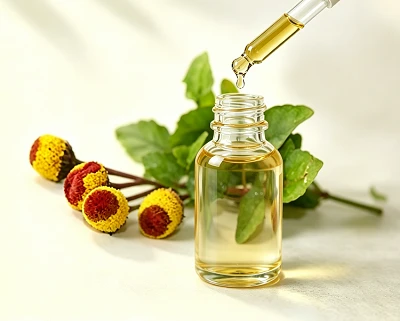
The white mulberry, Morus alba, is a Chinese tree or shrub. It has a white fruit that tastes bad and is similar to a blackberry. White mulberry leaves have been used in traditional Asian medicine for centuries as part of various dietary supplements. In recent years, with ongoing research into the specific components of white mulberry leaves and their potential benefits, interest in them has grown significantly.
In this blog post, we will discuss the active ingredients and related functional properties of white mulberry.
What is White Mulberry Leaf?
White mulberry (Morus alba L.) leaves have been used for centuries in traditional medicine systems throughout Asia, particularly in China, Japan, and Korea. The white mulberry tree was originally cultivated for silkworms in the sericulture industry. Traditionally, people drink white mulberry leaf tea or take its extracts to maintain blood sugar balance, protect cardiovascular health, and promote overall well-being.

Phytochemical Profile and Bioactive Constituents
White mulberry leaves are rich in flavonoids, alkaloids, polysaccharides, vitamins, and minerals. Among them, flavonols, such as quercetin and kaempferol, and alkaloids, such as 1-deoxynojirimycin (DNJ), have been extensively studied. These compounds are closely related to antioxidant activity, regulation of carbohydrate metabolism, and regulation of lipid metabolism. [1]
These include:
- Alkaloids: Specifically polyhydroxyalkaloids, with 1-deoxynojirimycin (DNJ) being the most prominent.
- Flavonoids: Including quercetin, rutin, and isoquercitrin.
- Phenolic Acids: Such as chlorogenic acid and caffeic acid.
- Amino Acids: Notably γ-aminobutyric acid (GABA), which is associated with neurological and blood pressure benefits.
Antioxidant Mechanisms and Polyphenol Content
Oxidative stress is the root cause of many chronic diseases, including diabetes, cardiovascular disease, and neurodegenerative diseases. White mulberry leaves are believed to have antioxidant properties, primarily due to their high polyphenol content. Polyphenols are known to donate electrons or hydrogen atoms, thereby neutralizing reactive oxygen species (ROS) and blocking oxidative chain reactions. [2]
Literature published in Molecules (2019) indicates that the flavonoid content in Morus alba significantly enhances the activity of endogenous antioxidant enzymes, such as superoxide dismutase (SOD) and glutathione peroxidase. By scavenging free radicals, mulberry leaf extract helps reduce systemic inflammation, providing a protective barrier against oxidative damage.

Effects on Postprandial Glucose Response
One of the most important clinical properties of white mulberry leaves is their ability to flatten the postprandial blood glucose curve. Postprandial hyperglycemia, or a sharp rise in blood glucose after eating, is a major risk factor for type 2 diabetes and cardiovascular complications. [3]
Clinical trials have shown that adding white mulberry leaf extract to carbohydrate-rich diets can significantly reduce postprandial blood glucose levels in participants. The mechanism of action is that white mulberry leaves regulate the digestive enzymes of carbohydrates in the intestines, slowing the breakdown of complex carbohydrates into glucose. This is particularly important in terms of functional nutrition for individuals with impaired glucose tolerance or at risk of metabolic syndrome.
Alpha-Glucosidase Inhibition and DNJ
The alpha-glucosidase enzyme, present in the small intestine, breaks down carbohydrates into glucose molecules that are then absorbed into the bloodstream. White mulberry leaf contains DNJ, an inhibitor of alpha-glucosidase. [4]
Under normal conditions, alpha-glucosidase breaks down complex starches and disaccharides into glucose. Because DNJ is structurally similar to glucose, it binds to the enzyme first, preventing the breakdown of carbohydrates. Consequently, sugar absorption is slowed and pushed further down the digestive tract. Research in PLoS ONE confirms that this inhibition is dose-dependent, mimicking the action of pharmaceutical starch-blockers like Acarbose, but often with fewer gastrointestinal side effects.
Antimicrobial and Phytochemical Activity
In addition to promoting metabolic health, white mulberry also has significant antibacterial properties. [5] Its leaves contain special phytochemicals, such as mulberry ketone G and mulberry alcohol B, which have been shown to inhibit a variety of pathogens, including Staphylococcus aureus and Streptococcus mutans.
A paper published in the * International Journal of Molecular Sciences* suggests that these antibacterial effects are likely due to the plant's ability to disrupt bacterial cell membranes. This broad-spectrum phytochemical activity explains why mulberry leaf extract is increasingly being used as a natural preservative and in oral hygiene products.
Applications in Functional Foods and Supplements
White mulberry leaves are rich in phytochemicals and possess various biological activities, thus they have been widely used in a variety of functional foods and dietary supplements. Common dosage forms include tea, capsules, and powder, which can be used to brew beverages or added to smoothies.

- Functional teas: Often combined with other herbs and plants to balance taste and provide metabolic support.
- Dietary supplements: Usually formulated as capsules of white mulberry leaf extract or powder for precise blood sugar control.
- Functional foods: Mulberry leaf powder is added to bread, noodles, and yogurt to reduce the glycemic load of these products without affecting taste.
Is White Mulberry Leaf Safe?
White mulberry is generally regarded as edible and has a low level of toxicity in animals and humans. Consuming a significant amount of white mulberry leaf extract did not result in adverse effects or death in animal studies involving rats and mice.
*This content is for informational purposes only and does not constitute medical advice.
References
[1] Zhang, Y., Wang, D., Yang, L., Zhou, D., Zhang, J., & Li, J. (2017). Phytochemical analysis and evaluation of antioxidant activities of mulberry (Morus alba L.) leaves. Phytochemistry, 137, 122–130.
[2] Li, X., Wang, X., Chen, D., Chen, S. (2019). Antioxidant activity and mechanism of mulberry (Morus alba L.) leaf extracts. Journal of Functional Foods, 54, 64–72.
[3] Udani, J. K., Singh, B. B., & Barrett, M. L. (2009). Mulberry leaf extract reduces postprandial hyperglycemia in normoglycemic adults: A randomized, double-blind, placebo-controlled study. Journal of Nutrition and Metabolism, 2009, 1–6.
[4] Asano, N., Yamashita, T., Yasuda, K., Ikeda, K., Kizu, H., Kameda, Y., Kato, A., Nash, R. J., Lee, H. S., & Ryu, K. S. (2003). Polyhydroxylated alkaloids isolated from mulberry trees (Morus alba L.) and their glycosidase inhibitory activities. Journal of Agricultural and Food Chemistry, 51(26), 7600–7606.
[5] Miyake, Y., Minato, K., Fukumoto, S., Yamamoto, K., Oya-Ito, T., Kawakishi, S., & Osawa, T. (2014). New potent antioxidative hydroxyflavonoids in leaves of mulberry (Morus alba L.). Natural Product Communications, 9(1), 43–46.