

The skincare market keeps moving toward natural performance ingredients that offer visible results and strong brand stories. As more consumers question synthetic additives and look for plant-powered alternatives, OEM skincare brands are adjusting product development strategies.
As a plant extract manufacturer, we see more brands asking for Acmella oleracea extract, also known as Spilanthes acmella extract, because it offers a natural way to support anti-aging performance.
In today's competitive beauty market, buyers want a cosmetic active ingredient that is effective, safe, and clean-label. Spilanthol fits this demand well. In this article, I will explain how it works, why OEM brands are adopting it, and how it can be used in real formulations.
What Is Spilanthol and Why It Matters in OEM Skincare?
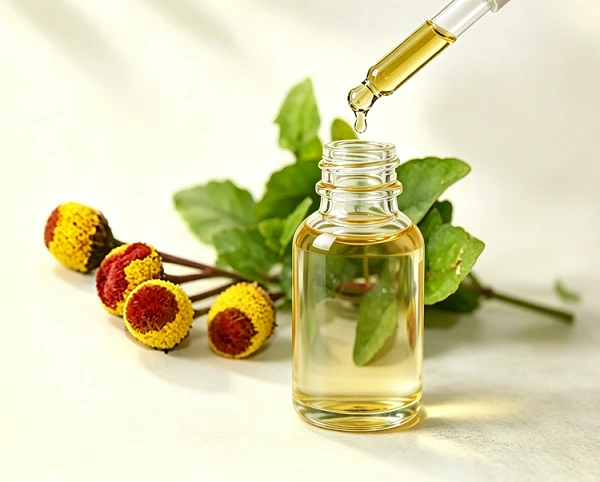
Spilanthol is one of the major active compounds naturally found in Acmella oleracea. It belongs to a group known as natural alkylamides, which are widely studied for their sensory and cosmetic applications.
In skincare, Spilanthol has become popular because formulators view it as:
-A natural skincare active
-An anti-aging botanical extract
-A skin tightening ingredient
-A potential botox-like natural ingredient
Many OEM buyers now request high purity Spilanthol extract manufacturer support for stable supply and quality control.
The Role of Spilanthol in Modern Anti-Aging Formulations
Today's anti-aging market goes beyond hydration and collagen support. Consumers increasingly expect visible smoothing and improved skin appearance.
Spilanthol is commonly positioned as an anti-wrinkle active because of its ability to contribute to a smoother-looking skin surface.
It is often used in:
- Fine line smoothing serums
- Firming creams
- Eye area treatments
Many product developers combine Spilanthol with:
- Hyaluronic acid
- Peptides
- Ceramides
- Botanical antioxidants
This combination approach supports multi-functional product positioning.
Why OEM Brands Are Increasingly Choosing Botanical Actives?
OEM skincare brands are under pressure to deliver safer and cleaner formulas. This is where anti-aging botanical extract solutions become important.
We often see formulators shift from synthetic actives to plant-based option like acmella oleracea extract for skincare formulation
Reasons for this trend include:
- Strong consumer demand for "natural" labels
- Regulatory pressure in global markets
- Better brand storytelling opportunities
Spilanthol fits this movement perfectly as a natural cosmetic ingredient with growing market trust.
Spilanthol as a Natural Alternative to Synthetic Anti-Wrinkle Ingredients
Traditional anti-wrinkle ingredients often rely on synthetic peptides or chemical relaxers. Spilanthol offers a botanical alternative.
It works differently:
- It interacts with sensory receptors
- It supports surface muscle relaxation
- It enhances skin smoothness appearance
This makes it a strong botox-like natural ingredient option for brands seeking mild and non-invasive solutions.
Compared to synthetic options, Spilanthol:
- Has better natural positioning
- Is easier to market in clean beauty
- Has lower irritation potential in many cases
This is why demand for Spilanthol cosmetic grade supplier products continues to grow.
Key Benefits of Spilanthol for Skincare Product Development
From an OEM perspective, Spilanthol offers multiple formulation advantages.
Key benefits include:
- Skin tightening appearance support
- Improved smoothness and elasticity look
- Fast sensory response on skin surface
- Compatibility with emulsions and serums
It is often used at low dosage but delivers visible cosmetic effects.
In development, we also see interest in Spilanthol bulk price per kg because brands want scalable sourcing for mass production.
Its versatility makes it suitable for both premium and mass-market skincare lines.
Best Product Types Using Spilanthol
Spilanthol works well in several cosmetic formats. It is flexible and easy to integrate.
Common product types include:
- Anti-aging face serums
- Firming eye creams
- Lifting masks
- Neck care lotions
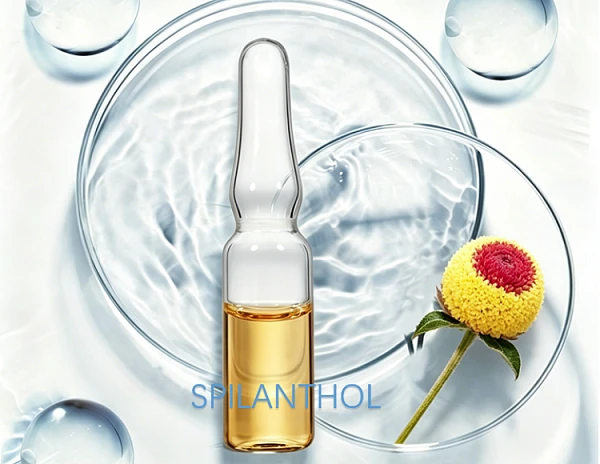
- High-performance ampoules
It is especially effective in lightweight textures where active delivery matters.
Many formulators combine it with hydrating agents to build a complete anti-aging botanical extract system.
Because it is oil-compatible, our Spilanthol 3% oil solution (cosmetic grade, light brown-yellow liquid, HPLC-tested) is widely used in OEM production.
Stability and Compatibility of Spilanthol in Formulations
Stability is critical for any natural skincare active. Spilanthol is relatively stable when handled correctly.
Best practices include:
- Store in cool, dry conditions
- Avoid strong oxidizing agents
- Keep pH in a mild range
- Protect from direct sunlight
It is compatible with:
- Emulsions (O/W and W/O systems)
- Oil-based serums
- Anhydrous formulations
Spilanthol also blends well with other botanical extracts like Acmella oleracea extract for skincare formulation systems, enhancing overall anti-aging performance.
Proper formulation design ensures long-term product stability and performance consistency.
Regulatory and Safety Considerations for OEM Manufacturers
For global OEM skincare production, compliance is essential. Spilanthol must meet safety and regulatory expectations.
Key considerations include:
- Cosmetic-grade purity testing
- HPLC verification for active content
- Heavy metal and pesticide residue control
- Microbial safety standards
As a manufacturer, we ensure compliance with:
- USDA Organic
- EU Organic
- FDA registration
- HALAL and KOSHER
- FSSC22000 food safety systems
These certifications support global distribution and reduce regulatory risk for brands using Spilanthol extract manufacturer supply chains.
Conclusion
Spilanthol is becoming an important natural alkylamide in modern skincare innovation. It supports anti-aging claims while staying aligned with clean beauty trends. For OEM brands, it offers both scientific value and strong marketing potential.
At Undersun, we specialize in stable and high-quality plant extracts for cosmetic use. With over 20 years of experience, organic cultivation, and advanced lab testing, we help brands develop reliable formulations with confidence.
If you are looking for a Spilanthol cosmetic active ingredient supplier or want to explore bulk pricing, we are ready to support your project from concept to production.
Let's build your next high-performance skincare product together. Contact us now!
References
- Rastogi RP, Mehrotra BN. Compendium of Indian Medicinal Plants.
- Dweck AC. Natural ingredients for anti-aging cosmetics.
- Barel AO, Paye M, Maibach HI. Handbook of Cosmetic Science and Technology.
- Kapoor VP. Herbal Cosmetics for Skin and Hair Care.
- Baumann L. Cosmetic Dermatology: Principles and Practice.
- Herman A, Herman AP. Botanical ingredients in cosmetic dermatology.


