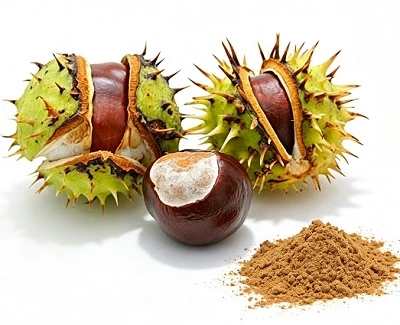
What is forskolin?
The Coleus barbatus plant produces the labdane diterpene forskolin. Pashanabhedi, Indian coleus, makandi, HL-362, and mao hou qiao rui hua are additional names. Similarly as with different individuals from the huge diterpene class of plant metabolites, forskolin is gotten from geranylgeranyl pyrophosphate.
The root of a mint-like plant is used to make forskolin. Nepal, India, and Thailand are home to the plant. In traditional Ayurvedic medicine, it has been used for a long time.
There are many reasons why people take forskolin supplements. However, there is very little solid evidence to support its use for any health condition.
Forskolin may assist in muscle building and weight loss, according to some research. In one tiny review, overweight and hefty men took 250 milligrams of a 10% forskolin extricate two times every day. They had a greater increase in testosterone levels and lost more body fat after 12 weeks than similar men taking a placebo. However, additional research is required to confirm these findings and establish its safety.
As a folk remedy for asthma, forskolin has been used for a long time. That is supported by some research. By increasing the levels of a substance known as cyclic AMP, forskolin appears to function in a manner that is comparable to that of certain conventional asthma medications. To facilitate easier breathing, this helps to relax the muscles surrounding the bronchial tubes.

What is forskolin used for
1) Losing Weight
Research has looked into whether Coleus forskohlii extract and pure forskolin supplements can combat obesity and weight gain.
Coleus forskohlii and a low-calorie diet were used in a clinical trial on 30 overweight and obese people to reduce weight gain, insulin resistance, and blood cholesterol (by increasing HDL). This indicates that the intervention reduced metabolic syndrome risk [5].
Forskolin administration improved bone structure, increased testosterone levels, and decreased body fat in 30 obese men in another study. However, a study on 32 men found that middle-aged men had a lower fat-burning effect than young men [15, 16].
C. forskohlii extract did not directly result in weight loss, but it did prevent weight gain and did not have the side effects of other weight loss supplements in another study on 23 overweight women [17].
In a small study involving 28 women, overweight women who applied a cream containing forskolin on their thighs (either alone or in combination with yohimbine and aminophylline) experienced local fat loss, measured as a smaller thigh girth. In a similar vein, in a study involving 78 women [18, 19], a slimming product containing forskolin and other compounds (tetrahydroxypropyl ethylenediamine, caffeine, carnitine, and retinol) decreased circumference measurement and enhanced tonicity.
In obese rats that were fed a diet, forskolin powder and rolipram prevented weight gain and caused fat to be destroyed. Forskolin (in mix with isoprenaline) additionally obliterated fat in cell-based examinations, conceivably in light of the fact that cAMP levels control the pace of fat breakdown and capacity [20, 21, 22, 23].
However, there are other ways in which cAMP may contribute to obesity. It activates CREB, a brain protein whose absence reduced energy expenditure and caused obesity in mice [24, 25], and it blocks the production of leptin, a hormone that suppresses appetite [24, 25].
Albeit restricted, the proof proposes that forskolin may assist with weight reduction. However, keep in mind that other measures may be more effective, such as increasing your exercise and altering your diet. Examine with your PCP if forskolin might be useful for your situation and cautiously adhere to your PCP's guidelines.
2) Glaucoma
A condition in which an abnormally high pressure in the eye causes damage to the eye nerve that may result in blindness Prescription eyedrops (prostaglandins, beta-blockers, alpha-adrenergic agonists, carbonic anhydrase inhibitors, rho kinase inhibitors, miotic or cholinergic agents) are typically the first part of the treatment to help the eye outflow fluid. Laser therapy and surgery may be required for severe cases.
An enzyme that directly produces cAMP, soluble adenylyl cyclase, is active in various parts of the eye and is crucial to their function. Importantly, it reduces fluid inflow, lowering eye pressure. Forskolin eye drops reduced fluid pressure in the eyes of humans, monkeys, and rabbits by activating this enzyme [26, 27, 28, 29, 30, 31, 32, 33].
In 2 clinical preliminaries on north of 150 individuals with glaucoma, the mix of oral forskolin and rutin (as an extra to ordinary medications) brought down circulatory strain in the eyes. In a small study on 10 people, the combination also prevented eye pressure after surgery [34, 35, 36, 37].
In a clinical trial on 22 people with glaucoma, food supplements with forskolin (like homotaurine, L-carnosine, and folic acid) decreased fluid pressure in the eye and increased eye nerve activity. In a similar manner, nerve cell death was prevented by injections of the same compounds in rats with eye blood vessel injuries [38, 39].
Overall, there is limited evidence that forskolin may lower fluid eye pressure in glaucoma patients. Since there are more powerful medications to work on this condition, your PCP may just propose forskolin as an extra to customary medicine or on the other hand in the event that these medications don't work for your situation.

Deficient Proof for:
1) Preventing Asthma In two clinical trials on 100 people with persistent asthma, oral forskolin was as effective as another asthma medication (beclomethasone) in preventing asthma attacks [40, 41].
In a clinical trial on 36 healthy volunteers, injected colforsin daropate, a water-soluble forskolin derivative, prevented the tightening of the airways caused by a drug. This suggests that it may be able to stop asthma attacks sooner than oral forskolin [6].
Only three small trials support the use of forskolin to prevent asthma attacks, despite the promising results. There must be additional clinical trials with larger populations.
2) Further developing Blood Stream
Forskolin can increment blood stream by loosening up the muscles in the veins. This is how oral Coleus forskohlii extract decreased blood pressure in a small study on 21 elderly people [42].
In a small study on 31 men with erectile dysfunction and a rabbit study, injecting forskolin increased blood flow to the penis, which improved the condition [43].
In animal studies [44, 45], both forskolin and its derivative NKH477 increased blood flow.
The results of two insignificant clinical trials and some animal studies cannot be regarded as definitive proof that forskolin increases blood flow. These preliminary findings need to be confirmed by additional clinical research.
3) Forestalling Careful Difficulties
In 3 little preliminaries on 35 individuals going through heart sidestep a medical procedure, the water-solvent forskolin subsidiary colforsin daropate further developed blood stream and decreased irritation, in this way lessening the probability of an unfortunate result [46, 47, 48].
Additionally, it decreased aviation route fixing brought about by tracheal intubation in 46 individuals. A forskolin subordinate (NKH477) was comparatively powerful in Guinea pigs when infused or breathed in before a medical procedure [49, 50].
Similar effects were observed when forskolin was administered to sheep prior to surgery. Likewise, covering engineered vein joins with forskolin forestalled their dismissal by the insusceptible framework [51, 52].
In dogs and rats, forskolin and colforsin daropate increased blood flow into the kidney, thereby reducing the risk of adverse effects from opioids and heart failure medications [53, 54].
In a similar vein, in dogs [55], NKH477 reversed heart failure caused by narcotics used in surgery like pentobarbital, propranolol, or verapamil.
Once more, the proof is lacking to help the utilization of forskolin in the counteraction of careful confusions. Clinical trials that are larger and more robust are required.
Forskolin's use in animal and cell research (lack of evidence) is not supported by clinical evidence for any of the conditions listed in this section. The current animal and cell-based research is summarized below, which should serve as a guide for future investigations. The listed studies, on the other hand, should not be taken as evidence of any health benefits.
Skin Treatment Although they have only been tested on animals and cells, forskolin and C. forskohlii extract are frequently used in skin treatments.
Forskolin increased the production of the similar protein eumelanin in mice lacking the protective pigment melanin. The mice were shielded from cancer and DNA damage as a result [56].
By encouraging the migration of skin cells to the site of the wound, forskolin stimulated wound healing [57].
Forskolin was applied to synthetic skin tissue to repair UV light-induced DNA damage and prevent skin cell death. Alternately, it may shield by thickening the skin and making it more resistant to radiation [58, 59].
According to animal and cell-based studies [60], forskolin may also reduce oxidative damage, which may slow the aging process of the skin.
Forskolin penetrated the skin more quickly when applied as a plant extract, possibly as a result of synergistic effects with other compounds, as demonstrated by comparisons of cultured skin treatment with pure forskolin and C. forskohlii extract [61].
Heart Health Forskolin prevents heart and blood vessel contraction by preventing the movement of Ca2+ into muscle cells. Forskolin reduced arrhythmia in heart tissue taken from patients with an irregular heart rate (arrhythmia) [62, 63].
After a heart attack, the forskolin derivative NKH477 prevented heart damage in rats with chronic heart failure. It prevented sedative medication-induced heart damage in dogs [64, 55].
Forskolin reversed some heart cell defects associated with mitral deficiency, a type of heart failure, which may improve outcomes following heart surgery for this condition [65].
The better the forskolin derivatives NKH77 and DMAPD are at elevating cAMP levels in heart cells than the forskolin itself, the more promising they may be for heart therapy [55].
Diabetes Forskolin may help treat diabetes-related conditions in some way. Forskolin enhances cellular insulin response, as previously stated. In rats, it also lowers blood sugar levels [5, 66].
High blood sugar levels damage eye vessels, causing blood to leak into the eye and blurring vision in diabetic retinopathy. Reproductive Cell Development Forskolin, in combination with cilostamide, improved the development of human egg cells [69]. It blocks two proteins that are involved in the transport of glucose, GLUT1 and GLUT4, which may help to lower blood sugar levels.
Forskolin increased the rate of division and maturation in rat egg cells [70].
Forskolin increased progesterone production and delayed the development of egg cells in pig egg cells [71].
Testes cells produced more testosterone and cAMP at low doses of forskolin. High doses, on the other hand, prevented these processes [72, 10].
Additionally, forskolin makes it more likely for sperm cells to fertilize an egg by increasing the accumulation of cAMP in their tail [73].
forskolin benefits for weight loss
According to the research, Forskolin is effective for weight loss by decreasing body fat, increasing bone mass, and increasing testosterone levels, all of which help improve total body composition. Having said that, it is essential to keep in mind that, when it comes to achieving your fitness and body goals as well as losing weight, there is in fact no one-size-fits-all solution. Legitimate sustenance and exercise are generally the main parts to your wellbeing.
Supplementation is what we like to call the third support point in improving your exhibition. Therefore, before incorporating forskolin's benefits into your daily routine, ensure that your nutrition and exercise plan are optimized first.
forskolin benefits testosterone
By enhancing hormonal adaptations, particularly the release of anabolic hormones, forskolin may increase testosterone.
During my research, one particularly cited study found that forskolin had a direct impact on body composition and hormonal adaptations, particularly testosterone release.
Let's examine the particulars.
The review occurred in 2005 for a long time and involved overweight and fat men who took 250 mg of 10% forskolin remove orally two times everyday.
Not only did the men lose fat, gain more lean body mass, and have more bone mineral density after the study, but they also had significantly higher levels of free testosterone [1].
It is essential to keep in mind that the research has demonstrated that forskolin boosts testosterone naturally only in obese men and appears to have little effect on healthy weight men.
Cyclic Adenosine Monophosphate
Cyclic adenosine monophosphate (cAMP) goes about as a courier in the body that conveys messages between the cells and chemicals. The amount and activity of hormones throughout the body are directly affected by these messages [2].
Concentrates on show forskolin can increment cAMP levels [3].
Forskolin was found to increase testosterone production in Leydig cells by 200 percent in a rat study [4].
The promising results of these studies call for additional investigation into whether Coleus forskohlii is a legitimate testosterone booster.
Let's investigate forskolin in greater detail.
forskolin dosage for weight loss
Forskolin may assist in muscle building and weight loss, according to some research. In one tiny review, overweight and hefty men took 250 milligrams of a 10% forskolin extricate two times every day. They had a greater increase in testosterone levels and lost more body fat after 12 weeks than similar men taking a placebo. However, additional research is required to confirm these findings and establish its safety.
What time of day should I take forskolin?
The best time to take forskolin is first thing in the morning on an empty stomach, when absorption is at its highest and there is minimal competition, if you want to get the most out of its effects on fat loss.
Additionally, taking it 30 minutes prior to exercise is ideal if you prefer to exercise in the morning.
You'll notice that some supplements say to take them with food to avoid unpleasant side effects like nausea or gas, but forskolin doesn't have those side effects.
It has a high bioavailability, with potential absorption rates of around 100 percent 9, so if you take it before a workout, you will get the most out of it.
When taken orally, forskolin has also been shown to have no side effects.
What does forskolin do for the heart?
Forskolin has likewise been utilized to attempt to treat glaucoma. A little report shows that forskolin may assist with easing tension in the eyes, which is in many cases found in glaucoma. It has likewise been viewed as a protected option in contrast to beta blockers in glaucoma patients having corresponding asthma.
One more expected utilization of forskolin is for individuals with idiopathic congestive cardiomyopathy, which can cause cardiovascular breakdown. In a little report, patients who took forskolin through an IV showed further developed heart capability.
Ideal portions for forskolin have not been laid out for any condition. Likewise, similarly as with supplements by and large, the nature of the dynamic fixings and the degree of focus in items that contain forskolin fluctuate from one producer to another. A few specialists suggest that forskolin just be taken under the management of a medical services proficient.
What are the side effects of taking forskolin?
It is hard to say whether Forskolin is safe to use because it has not been thoroughly researched. Despite the fact that some researchers typically consider it safe, some individuals have also reported experiencing adverse reactions to Forskolin. These are some:
Rapid heart rate The use of forskolin may cause your normal heart rate to rise. Also known as tachycardia, this is a potential side effect. You may experience lightheadedness, shortness of breath, chest pain, heart palpitation, rapid pulse, or even fainting as a result of the sudden increase in your heart rate.
Heart failure, frequent unconsciousness, blood clots, and sudden death are all serious complications of tachycardia. Therefore, if you take Forskolin and have any side effects that are related to your heart, talk to your doctor.
Blood pressure reduction According to Memorial Sloan-Kettering Cancer Center, taking Forskolin may also lower your blood pressure. This potentially dangerous side effect, also known as hypotension, can cause blurry vision, dizziness, nausea, pale skin, decreased concentration, fatigue, and even fainting.
If you have any side effects after taking Forskolin extract supplements, you might be at risk for trips and falls. Your vital organs may also not receive the oxygen they need to function properly if your blood pressure drops significantly. Consequently, severe low blood pressure may result in heart or brain damage that is irreversible. After taking Forskolin, if you experience recurrent symptoms of hypotension, contact your doctor right away to get the right treatment.
Increased Stomach Acid Levels Your body may have higher levels of forskolin in your stomach. Indigestion, heartburn, and nausea are all common symptoms of this side effect. People who already have gastrointestinal health issues, such as an ulcer in their stomach, are particularly at risk from these side effects. Therefore, you should steer clear of taking this supplement if you have stomach ulcers.
Interactions with other drugs Forskolin should not be taken by people who are taking blood thinners or anti-platelet medications because it may make it more likely that you will get bleeding problems.
Forskolin may also interact with the following medications for high blood pressure:
Beta-blockers and calcium channel blockers Hydralazine and clonidine should not be taken with Forskolin if you are taking any of the aforementioned medications. If you suffer from polycystic kidney disease, you should also avoid taking this supplement. Pregnant and breastfeeding women should avoid taking it due to the unknown safety, effects, and side effects.
The following are some additional Forskolin-related negative effects:
Migraine
Augmentation of the veins in the eyes and stinging of the eyes
Upper respiratory parcel aggravation, quake, fretfulness and hack when breathed in
So, prior to taking Forskolin or some other dietary enhancement, try to converse with your PCP about expected dangers and incidental effects.
References:
https://www.webmd.com/vitamins-and-supplements/forskolin-uses-and-risks
https://supplements.selfdecode.com/blog/health-benefits-of-forskolin/
https://www.womenshealthmag.com/weight-loss/a19573959/forskolin-for-weight-loss/
https://www.burnlabpro.com/blogs/nutrition/using-forskolin-pre-workout
https://www.findatopdoc.com/Healthy-Living/Does-Forskolin-Really-Work