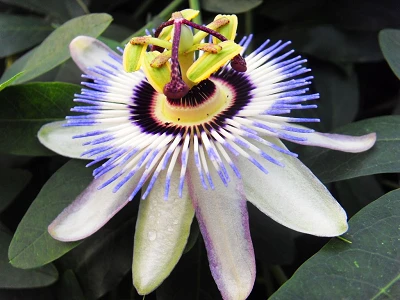
Anthocyanins are widespread in red/blue fruits and vegetables and their content in plants varies markedly among different species, depending on cultivar or variety, growing area, climate, farming methods, harvest time, ripening, seasonal variability, processing and storage, temperature and light exposure. Berries such as strawberries, blueberries, blackberries, blackcurrant, redcurrant and raspberries are a rich source of anthocyanins, with levels ranging from about 100 to about 700 mg/100 g of fresh product.
What is Anthocyanin?
Anthocyanins are glucosides of the anthocyanidins, flavonoid derivatives produced via the phenylpropanoid pathway. They are present in all tissues of higher plants, including leaves, stems, roots, flowers, and fruits. As natural food colorings, anthocyanin pigments have long been utilized extensively. However, pH, light, temperature, and structure all have an impact on the hue and durability of these pigments. Anthocyanins are red pigments in an acidic pH, but they change to blue in a basic pH.
Besides the use as food colorants, these compounds are potentially useful as nutraceutical ingredients, as they provide numerous beneficial health effects. Many in vitro, animal and human studies have evaluated the biological and pharmacological potential of these molecules and demonstrated that they possess the capacity to counteract oxidative stress, to act as antimicrobial substances, and to counteract the onset and progression of numerous non-communicable diseases such as neurodegenerative, cardiovascular, metabolic diseases and cancer.
What Fruits contain anthocyanins?
Red, purple, and blue fruits and vegetables often boast the largest quantity of anthocyanins. The following foods contain the most anthocyanins per 3.5 ounces (100 grams).
- Mulberries: 1.4–704 mg
- Black chokeberries: 46–558 mg
- Black elderberries: 17–463 mg
- Blackcurrants: 25–305 mg
-
Blackberries: 10–139 mg
Other foods high in anthocyanins include purple corn, pomegranate, eggplant, black carrots, red cabbage, and purple cauliflower. These foods can range in anthocyanin content from a few to 200-300 mg per 3.5 ounces (100 grams).
Top 5 Ingredients that contain Higher anthocyanins
There are many customers from us that tried to source the pure or higher Anthocyanins from differnet plants.
And here we recommend tghe following as their best choices.
- A great item to include in facial masks, soaps, and scrubs is mulberry extract powder. While the fruit has wonderful antioxidant properties to soothe and heal skin, the leaves and root have the potential to brighten and repair skin. How about the dosage of mulberry powder? Typical dosage is approx. 500-mg/day. Mulberry leaf powder can be mixed into hot water, smoothies, juices, oatmeal, yogurt and more.

Black Chokeberry Anthocyanins
- Researchers have discovered that the fruits of Aronia melanocarpa, often known as chokeberry, exhibit a variety of bioactivities that may be advantageous to human health. These bioactivities include antidiabetic, anti-infective, antineoplastic, antiobesity, and antioxidant activities, as well as heart-, liver-, and neuroprotective benefits.
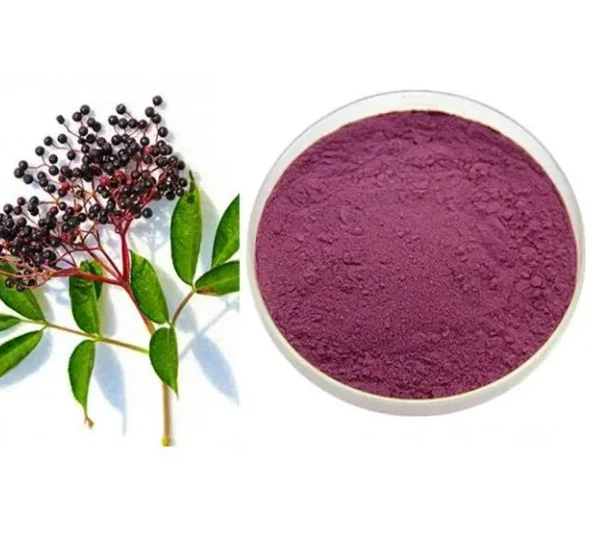
Black Elderberry Anthocyanins
-The most extensively researched elderberry for the treatment of the viral flu is black elderberry powder. The berry powder, according to scientists, enhances the immune system's chemical responses, relieving flu symptoms and perhaps cutting the illness's length. Elderberries may also lessen the severity of cold symptoms. This whole food powder makes a wholesome addition to beverages like juice, yogurt, smoothies, smoothie bowls, cereal, oatmeal, salad dressings, sweets, and baked goods like pies, cakes, and pastries. It can also be blended with water to make a simple beverage. produced with elderberry juice.
Blackcurrant Anthocyanins
-What is blackcurrant powder use for? Black currant powder include a lot of antioxidants and anthocyanins in addition to vitamin C. These can bolster your defense mechanisms, alleviate sore throats, and lessen flu symptoms. Blackcurrant leaves also possess a number of other qualities, such as antibacterial. What are the benefits of black current powder? Blackcurrant consumption has been shown to enhance blood flow, lower cholesterol, better control blood clotting, lower blood pressure, and even reduce the risk of heart attacks. There are other elements of the black currant plant that are valued for their health in addition to the berry powder.
Blackberry Anthocyanins
-What is blackberry powder used for? Common uses include quick and simple home cooking as well as food for camping, hiking, and backpacking. This fine powder tastes fantastic in yogurt, sweets, porridge, and smoothies. Packaging: To assist guarantee freshness after initial opening, bagged selections are packaged in premium resealable foil pouches with moisture absorbent packs. What is Blackberry powder good for? Blackberry powder' anti-oxidants, vitamins, and minerals offer a range of health advantages. Antioxidants with anti-inflammatory and anti-microbial effects include anthocyanins. They might also fight off diabetes and some forms of cancer.

Undersun has been working at the production of fruit&vegetable powder for 20 years and we know more about the market.
For any fruit&vegetable powders, just let us know your demand at herbext@undersun.com.cn.