What is Saw Palmetto?
Saw palmetto is a small palm tree that grows wild across the coastal regions of the Southern United States. It has been used as an herbal remedy in the United States, South America and Europe to treat a variety of conditions affecting both men and women. Saw palmetto berries naturally contain fatty acids, phytosterols, and other plant compounds. The composition can vary depending on factors such as plant source, harvest conditions, processing, and storage.
It is available in the form of dried berries, tablets, capsules or extract and can be made into a tea. When choosing an herbal supplement, it may be difficult to decide among the different dosage forms available. No matter which form you choose, as with any herbal supplement, consult a health care professional before beginning a new regimen.
What Is Saw Palmetto Whole Herb?
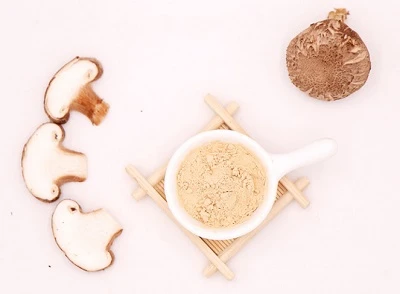
Saw palmetto whole herb generally refers to dried and processed plant material, most commonly the ripe berries of Serenoa repens. The material may be supplied as whole dried berries or milled into a powder.
Because whole herb retains the natural plant matrix, it contains a broader range of naturally occurring constituents. However, the concentration of individual compounds can vary between batches.
What Is Saw Palmetto Standardized Extract?
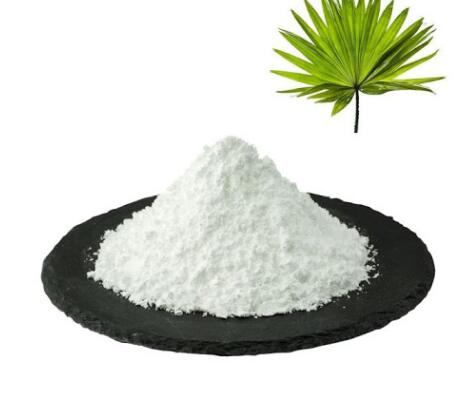
Saw palmetto standardized extract is produced by extracting selected constituents from saw palmetto berries and concentrating them into a more defined ingredient.
Unlike whole herb powder, a standardized extract is manufactured to meet a specified level of one or more target components. For saw palmetto, specifications commonly focus on the fatty acid fraction, while phytosterols may also be monitored as part of quality evaluation.
Saw Palmetto Standardized Extract vs Whole Herb: Key Differences
| Feature | Saw Palmetto Whole Herb | Standardized Extract |
|---|---|---|
| Raw material | Whole dried berries or berry powder | Extracted berry material |
| Processing | Relatively simple drying and milling | Extraction and concentration |
| Composition | Naturally variable | Controlled to a specification |
| Fatty acid concentration | Variable | Can be standardized |
| Phytosterol profile | Naturally variable | Can be monitored |
| Batch consistency | Depends on raw material | Generally more controlled |
| Formulation efficiency | Requires more material | More concentrated |
| Specification | Focuses on raw material quality | Focuses on extract composition and quality |
| Best suited for | Whole-botanical formulations | Standardized supplement formulations |
Neither form is universally "better." The appropriate choice depends on the formulation objective and quality requirements.
Key Active Components: Fatty Acids and Phytosterols
The chemical composition of saw palmetto is an important consideration when comparing whole herb and standardized extract.
1. Fatty Acids in Saw Palmetto
Saw palmetto berries contain several fatty acids, including:
- Lauric acid
- Myristic acid
- Palmitic acid
- Stearic acid
- Oleic acid
- Linoleic acid
The relative proportions of these fatty acids can vary according to raw material and processing conditions. For standardized extracts, manufacturers may establish a total fatty acid specification or control specific fatty acid characteristics.
2. Phytosterols in Saw Palmetto
Saw palmetto also contains naturally occurring phytosterols, including:
- β-Sitosterol
- Campesterol
- Stigmasterol
Although fatty acids often receive significant attention when evaluating commercial saw palmetto extracts, phytosterol content can provide additional information about the chemical profile and quality of the ingredient.
Whole Dried Herb Supplements
The active portion of the saw palmetto herbal supplement is the berry. Some practitioners think that taking a whole dried supplement will give all of the benefits of the herb, including some phytonutrients. The disadvantage of using whole dried herbs is that it may take as many as 3 to 4 grams of freeze-dried berries to equal the standardized extract of a saw palmetto extract capsule. In addition, it is important to know how the berries were dried and stored, because sun, heat and freeze-drying may all result in different amounts of active ingredients. Always purchase your herbs from a reputable source, preferably in a closed container and not from open jar or bin. Whole dried berries may be made into a tea or may be taken with other foods.
Whole Herb Extract
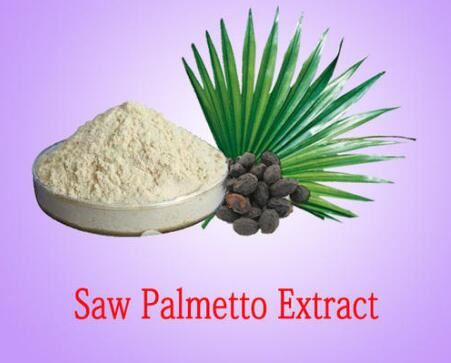
Whole herb extract of saw palmetto has undergone a process in which the active ingredients have been extracted from the whole berry. The advantage of using whole herb extracts is that they can generally be purchased in tablet or capsule form in a known dosage amount. The "Prescription for Herbal Healing" states that most tablets or capsules contain 320 mg of extract each and will state that they are made from whole herb extracts on the label. Saw palmetto supplements may be purchased at health food stores and many grocery and drug stores. When purchasing any supplements, make sure you are buying them from a well-established manufacturer.
Chemical Extract Supplements
Some manufacturers of herbal supplements do not use the whole herb to obtain the active ingredients. Some may be made from parts of the plant containing lower amounts of the active ingredient, while others may be synthesized in a lab. The label will state the amount of the extract but will not state that it came from whole herbs. Most natural health practitioners prefer whole herbs or whole herb extracts made in a natural manner.
Frequently Asked Questions
Q1. Is a higher extract ratio always better?
A: No. Extract ratio alone does not determine the quality or potency of a botanical extract. Buyers should also review the actual chemical specification and analytical testing results.
Q2. What compounds are commonly evaluated in saw palmetto extract?
A: Fatty acids are commonly evaluated, while phytosterols can also be monitored to help characterize the ingredient.
Q3. Which saw palmetto form is better for dietary supplements?
A: The choice depends on the formulation. Whole herb may suit minimally processed botanical products, while standardized extract is often more convenient when a defined composition and consistent specification are required.
Reference
Penugonda, K., & Lindshield, B. L. (2013). Fatty Acid and Phytosterol Content of Commercial Saw Palmetto Supplements. Nutrients, 5(9), 3617–3633.
Sander, L. C., et al. (2008). Development of Saw Palmetto (Serenoa repens) Fruit and Extract Standard Reference Materials. Journal of AOAC International.
European Medicines Agency (EMA). Serenoa repens (W. Bartram) Small, fructus - Herbal medicinal product. European Medicines Agency.
National Center for Complementary and Integrative Health (NCCIH). Saw Palmetto. U.S. National Institutes of Health.
National Institute of Standards and Technology (NIST). Standard Reference Materials for Saw Palmetto Fruit and Extract. U.S. Department of Commerce.