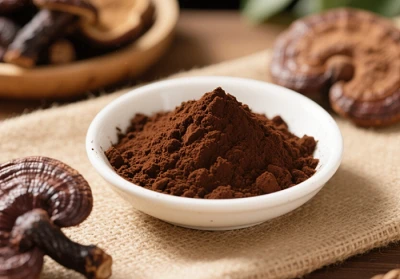
Muira Puama extract has become an increasingly popular botanical ingredient in the global dietary supplement market. However, for purchasing managers, finding a reliable botanical ingredient supplier requires time and careful evaluation.
Sourcing Muira Puama extract is not as simple as comparing prices. The quality of the raw material, extraction process, testing methods, and supplier capabilities all affect the final product. This guide will explain what you should know before choosing a Muira Puama extract manufacturer.
What Is Muira Puama Extract and Why Is It in Growing Demand?
Muira Puama (Ptychopetalum olacoides) is a small tree native to the Amazon rainforest, mainly found in Brazil. Local communities have traditionally used its bark and roots for centuries.
Muira Puama is often called "potency wood," it contains active sterols, fatty acids, and unique alkaloids like muirapuamine.
Consumers actively seek natural adaptogens for sexual health, cognitive focus, and stress resilience. As a result, global demand for clean, plant-based botanical extracts continues to surge across health and wellness categories.
Origin, Sustainable Harvesting, and Bark vs. Root Differences
The quality of Muira Puama extract begins with its botanical source. Reliable manufacturers work with verified suppliers who identify the correct plant species before harvesting.
Sustainable harvesting also plays an important role. Responsible collection helps protect Amazon ecosystems while supporting long-term raw material availability.
Another important consideration is whether the extract comes from bark or root.
| Parameter | Bark Extract | Root Extract |
| Sourcing Impact | Renewable, sustainable harvest |
Destroys the living plant |
| Active Compound Profile | Rich in sterols and essential oils |
Higher concentration of alkaloids |
| Market Availability | Abundant and cost-effective |
Limited and strictly controlled |
Responsible manufacturers prefer bark extract. It delivers identical active benefits while protecting native tree populations.

How Muira Puama Extract Is Manufactured?
Production quality directly influences extract consistency. A typical manufacturing process includes:
1. Raw Material Preparation
Dried bark of Ptychopetalum olacoides, obtained in the form of chips or splinters.
The raw material is ground to a uniform particle size to maximize the surface area for solvent contact, thereby improving extraction efficiency.
2. Extraction
The milled root material undergoes an extraction process. Use ethanol as the extraction solvent.
3. Filtration and Concentration
The extractive solution is clarified by passing it through industrial filters to remove suspended particulate matter and fibrous residues.
The clarified filtrate is concentrated under reduced pressure and controlled temperature to recover the ethanol and obtain a concentrated ethanolic extract.
4. Spray Drying
Process: The concentrated ethanolic extract is converted into a dry, stable powder via spray drying technology.
5. Quality Control
Scanning Electron Microscopy is used to analyze particle size, shape, and morphology.
Test total flavonoid content, moisture content, and particle size distribution are routinely tested to ensure batch consistency.
6. Packaging and Storage
The dried extract is packaged in airtight, moisture-resistant containers and stored under controlled conditions to maintain stability.
Key Quality Indicators
When evaluating batch certificates of analysis (CoA), pay close attention to critical physical and chemical metrics:
- Extraction Ratio: Common commercial ratios range from 4:1 to 10:1 or 20:1 concentration levels.
- Physical Properties: The powder should show a light brown to dark tan color with fine mesh particle size (80–100 mesh).
- Solubility: High-grade hydro-ethanolic extracts dissolve cleanly in water or alcohol blends without heavy fallout.
- Safety Limits: Heavy metals must stay under strict thresholds.
Undersun Muira Puama Extract Specification Sheet
|
ITEM |
SPECIFICATION |
RESULTS |
TESTING METHOD |
|
PHYSICAL CONTROL |
|
||
|
Extract Ratio |
10:1 |
10:1 |
TLC |
|
Appearance |
Yellow Brown Fine Powder |
Complies |
Visual |
|
Odor |
Characteristic |
Complies |
Organoleptic |
|
Loss on drying |
≤5.0% |
2.34% |
USP |
|
Sieve Analysis |
95% pass 80 mesh |
Complies |
80 mesh screen |
|
CHEMICAL CONTROL |
|
||
|
Heavy Metals |
≤10 ppm |
Complies |
USP |
|
Arsenic(As) |
≤1.5 ppm |
Complies |
ICP-MS |
|
Lead(Pb) |
≤0.5 ppm |
Complies |
ICP-MS |
|
Cadmium(Cd) |
≤0.5 ppm |
Complies |
ICP-MS |
|
Mercury(Hg) |
≤0.2 ppm |
Complies |
ICP-MS |
|
MICROBIOLOGY CONTROL |
|
||
|
Total Plate Count |
≤10000 cfu/g |
Complies |
CP2015 |
|
Yeast & Mold |
≤100 cfu/g |
Complies |
CP2015 |
|
E.Coli |
Negative |
Complies |
CP2015 |
|
Salmonella |
Negative |
Complies |
CP2015 |
Applications of Muira Puama Extract in Dietary Supplements
Muira Puama extract offers excellent formulation flexibility. Many brand developers combine Muira Puama with ingredients such as maca, tongkat ali, ginseng, or tribulus to create comprehensive botanical formulas.
Common applications include:
- Men's Vitality Formulas: Support stamina.
- Nootropic Blends: Blends seamlessly with Ashwagandha to support mental focus and stress control.
- Women's Health: Supports hormonal balance, physical energy, and overall well-being.
- Functional Beverages: Soluble powdered extracts integrate smoothly into ready-to-mix health drinks and herbal teas.

Common Quality Traps and Adulteration Risks
The growing popularity of Muira Puama has also increased quality risks within the supply chain.
Common problems include:
- Incorrect botanical species
Some suppliers substitute lower-cost plants that resemble Muira Puama.
- Poor raw material traceability
Without proper documentation, buyers cannot verify the plant origin.
- Low extract concentration
Some products contain excessive carriers or fillers, reducing ingredient value.
- Incomplete laboratory testing
Missing reports may hide contamination or specification issues.
- Batch inconsistency
Weak quality control can produce noticeable differences between production lots.
Working with experienced muira puama extract manufacturers helps reduce these risks and protects finished product quality.
Key Questions to Ask Before Finalizing Your Order
Before placing an order, you should ask several important questions.
- Which plant part is used?
- How is botanical identity verified?
- What extraction solvent is used?
- Can you provide a recent COA?
- Are heavy metals and microbial limits tested?
- Which certifications does your facility hold?
- Can you support customized specifications?
- Are samples available for evaluation?
- What is your standard lead time and inventory shelf life?
Professional muira puama suppliers answer these questions clearly and provide supporting documentation.
Why Undersun Is Your Trusted Muira Puama Extract Manufacturer
Undersun combines advanced extraction technology with strict quality management to support global dietary supplement brands.
Our advantages include:
Strict Quality Assurance: Every batch undergoes HPLC identity testing and full heavy metal screening.
Global Certifications: Have ISO, FDA, HALAL, KOSHER, FSSC22000, EU Organic, and USDA Organic certifications
Flexible Customization: We offer customized extraction ratios, mesh sizes, and tailored private-label solutions.
Stable Supply Chain: U.S Warehouse guarantees reliable and timely bulk shipments worldwide.
Ready to Source Premium Muira Puama Extract?
Looking for a trusted manufacturing partner?
Undersun supplies bulk Muira Puama extract for dietary supplement manufacturers, brand owners, and distributors worldwide. We provide customized specifications, comprehensive quality documentation, and dependable global supply.
Contact us today to request a sample, COA, and quotation for your next project.
References
Elisabetsky, E., & Figueiredo, F. Y. (1991). Ethnopharmacological survey of Amazonian aphrodisiacs and tonics. Journal of Ethnopharmacology.
Waynberg, J., & Brewer, S. (2000). Effects of Herbal Extract Combination on Sexual Function in Healthy Men. Advances in Therapy.
da Silva, A. L., et al. (2002). Anxiolytic properties of Ptychopetalum olacoides Benth. extract in mice. Phytomedicine.
Ferraro, Z. M., et al. (2010). Safety evaluation and phytochemical characterization of Amazonian botanical extracts. Phytotherapy Research.
United States Pharmacopeia (USP). (2022). Dietary Supplements and Botanical Ingredients Quality Guidelines.