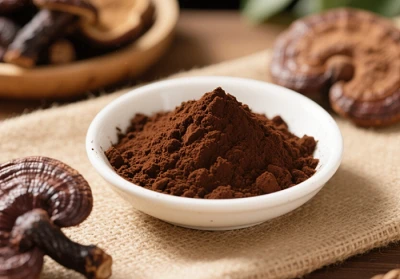
Lycopodium belongs to the Lycopodiaceae family of clubmosses. Unlike flowering plants, it reproduces through spores. Members of Lycopodiaceae are recognized as homosporous, meaning they produce one main type of spore.
For B2B buyers, however, botanical classification is only the starting point. Species identity, plant part, processing method, purity, particle size, and quality testing also matter. This guide explains the science behind Lycopodium and highlights practical sourcing points for bulk buyers.
Understanding the Botany: What Is Lycopodium?
Lycopodium is a genus of vascular plants in the family Lycopodiaceae. These plants are commonly called clubmosses. They are not true mosses, despite their common name.
Lycopodium clavatum L. is one well-known species. It has creeping stems, small microphyll leaves, and upright fertile branches. Its sporangia occur on specialized leaves called sporophylls. In many species, these structures form terminal cones called strobili.
The genus has a long botanical history. Its reproductive system also differs from that of seed plants. Instead of producing seeds, Lycopodium produces spores through meiosis inside sporangia. This reproductive strategy explains why Lycopodium powder is often associated with its spores.

Homosporous vs. Heterosporous: What's the Core Difference?
Vascular plants reproduce using spores or seeds. Plant species fall into two categories based on their spore production:
- Homosporous Plants: These plants produce one single type of spore. All spores look identical in shape and size. They germinate into bisexual gametophytes that produce both male and female sex organs.
- Heterosporous Plants: These plants produce two distinct spore types. Microspores are smaller and grow into male gametophytes. Megaspores are larger and grow into female gametophytes.
Selaginella and Isoetes are examples of heterosporous lycophytes. Lycopodiaceae, in contrast, are generally homosporous.
| Feature | Homosporous (Lycopodium) | Heterosporous (Selaginella, Isoetes) |
| Spore Types | Single type | Two types (Micro & Mega) |
| Particle Size | Exceptionally uniform (~25 µm) | Variable sizes |
| Gametophyte | Bisexual (Antheridia & Archegonia) | Unisexual (Male / Female) |
| Commercial Value | Highly consistent physical properties | Variable physical behavior |
Is Lycopodium Homosporous or Heterosporous?
Lycopodium is homosporous.
Lycopodium produces one general type of spore rather than separate microspores and megaspores. Its sporangia produce numerous haploid spores through meiosis. After release, these spores can germinate and develop into gametophytes.
The Lycopodiaceae family is widely recognized as homosporous. Its spores are typically globose or tetrahedral and have a characteristic trilete mark.
Therefore, when a you asks whether Lycopodium is homosporous or heterosporous, the straightforward answer is homosporous.
The Biological Role of Homospory in Lycopodium Life Cycle
Homospory dictates how Lycopodium reproduces in nature:
- Spore Release: The plant releases millions of identical spores into the wind.
- Gametophyte Development: Spores fall onto moist soil and germinate into tiny, subterranean gametophytes.
- Fungal Symbiosis: These gametophytes lack chlorophyll. They rely on endophytic fungi for nutrients over several years.
- Fertilization: Water helps sperm swim to the egg on the same gametophyte. This process creates a new sporophyte plant.
Because every spore carries the same genetic potential, the plant survives without producing separate male and female spore structures.
From Plant to Powder: Why Homospory Matters for Raw Material Quality
For supplement manufacturers and distributors, homospory provides useful botanical context. However, it does not by itself determine powder quality.
Lycopodium powder can refer to dried spores from clubmoss plants. Lycopodium clavatum is a recognized source of commercially studied spores.
Because Lycopodium is homosporous, its spore powder offers key technical advantages:
- Uniform Particle Size: Every single spore measures about 25 micrometers in diameter. This uniformity ensures consistent flowability and dispersion in dry formulations.
- Fixed Spore Density: Pure Lycopodium Clavatum powder consistently contains roughly 94,000 spores per milligram. Pharmacologists use this exact count as a microscopic standard to evaluate crude drugs.
- Hydrophobic Consistency: A natural lipid layer covers each spore equally. This coating makes the raw powder repel water predictably across all batches.

Key Active Compounds in Lycopodium Spore Powder
Lycopodium species contain several groups of natural compounds. Research has focused especially on Lycopodium alkaloids, triterpenoids, flavonoids, and phenolic compounds.
Lycopodium alkaloids form a large and structurally diverse group of natural products. Researchers have identified many alkaloids across the Lycopodiales.
- Lycopodium Alkaloids: Includes Huperzine A and lycopodine. Huperzine A inhibits acetylcholinesterase, supporting cognitive health and memory focus.
- Fixed Oils & Fatty Acids: Spore powder contains up to 50% fixed oils rich in oleic acid and palmitic acid. These fatty acids nourish skin in topical formulas.
- Polysaccharides & Terpenoids: These natural compounds provide antioxidant protection and immune support.
Common Applications of Lycopodium Powder
In the dietary supplement industry, lycopodium is utilized in two primary ways: as a source of active ingredients for cognitive health and as a functional excipient in manufacturing.
1. Active Ingredients: Cognitive & Neuromuscular Support
- Huperzine A Extraction: Certain clubmoss species (specifically Huperzia serrata) serve as the primary natural source of Huperzine A. It is a popular staple in nootropics, memory formulas, and focus-enhancing supplements.
- Antioxidant & Anti-Inflammatory Support: Clubmoss extracts contain flavonoids and phenolic compounds that provide cellular antioxidant support and are sometimes included in joint-mobility or systemic inflammation blends.
2. Traditional Botanical Medicine
Digestive & Joint Health: In traditional Western herbalism and Traditional Chinese Medicine (TCM), standardized lycopodium extracts are used in oral remedies aimed at relieving minor joint discomfort, supporting liver function, and promoting urinary tract health.
3. Functional Excipient & Processing Aid
Natural Anti-Caking Agent: Due to the extreme hydrophobic nature and ultra-fine grain of natural lycopodium spores, clean-label or organic supplement brands historically utilize the raw spore powder as a natural flow agent or lubricant to prevent sticky ingredients from clumping during capsule filling and tablet pressing.
Quality Standards & Sourcing Considerations for B2B Buyers
When sourcing Lycopodium powder, you should verify key quality criteria
- Species Authenticity: Ensure the supplier uses 100% Lycopodium clavatum. Adulteration with pollen or lycopod species alters particle size.
- Particle Uniformity: Request microscopic analysis confirming an average spore size of 25 µm.
- Purity & Ash Content: High-grade spore powder should have total ash below 3% and acid-insoluble ash below 0.5%.
- Contaminant Screening: Verify tests for heavy metals, pesticide residues, and microbial limits.
Partnering with a Trusted Lycopodium Powder Manufacturer
Working directly with an experienced manufacturer guarantees the reliable supply and product consistency.
Undersun controls our supply chain from sustainable harvesting to cleanroom processing. We provide batch-to-batch uniformity, full COA, TDS, SDS documentation, and flexible custom packing options.
Ready to Upgrade Your Botanical Supply Chain?
Contact us today to request a quote, COA, or free product samples. Let us help you formulate with pure Lycopodium powder.
References
Banks, J. A., et al. (2011). The Selaginella genome identifies genetic changes associated with the evolution of vascular plants. Science, 332(6032), 960-963.
Kuo, L. Y., & Li, F. W. (2019). Analyses of land plant genome sizes unlock intricate evolutionary history. New Phytologist, 223(3), 1051-1053.
Murugaiah, C., et al. (2022). Genome assembly of homosporous lycophyte Lycopodium clavatum reveals dynamic LTR-retrotransposon accumulation. bioRxiv Preprint.
Sessa, E. B., & Der, J. P. (2016). Evolutionary genomics of ferns and lycophytes. Advances in Botanical Research, 78, 215-254.
Szövényi, P., et al. (2021). High-grade genome assembly of seedless vascular plants sheds light on homo- and heterospory transitions. Nature Plants, 7(4), 432-441.
Wallis, T. E. (2005). Textbook of Pharmacognosy. 5th Edition, CBS Publishers & Distributors, New Delhi.