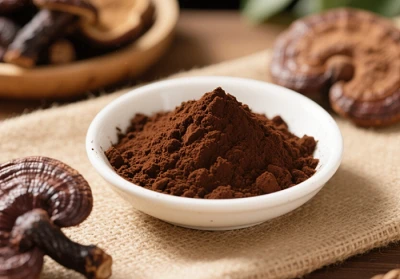
For decades, mushrooms have been revered for their rich tapestry of health benefits. Packed with antioxidants, immune-boosting compounds, and wound-healing properties, these culinary delights offer more than just delicious flavor. But nestled within the heart of certain mushrooms lies a hidden treasure – an amino acid with exciting potential for our well-being: ergothioneine (also known as L-ergothioneine).
This article delves deep into the world of ergothioneine, exploring its history and origins, uncovering the mushroom kingdom's ergothioneine bounty, and unveiling the multitude of potential health benefits science is uncovering. Finally, we'll navigate who might benefit most from ergothioneine supplementation, identify those who should exercise caution, and offer practical ways to incorporate this intriguing amino acid into your daily routine.
What is Ergothioneine?
Ergothioneine, a name that might sound intimidating, is actually a fascinating amino acid with potential benefits for our health. It belongs to a special group of amino acids containing sulfur, the building blocks of proteins crucial for various bodily functions [1]. But the story of ergothioneine goes beyond its biochemical makeup – it has a surprising origin.
Back in 1909, a French pharmacist and chemist named Charles Tanret stumbled upon ergothioneine while investigating the ergot fungus [2]. This fungus was notorious for wreaking havoc on crops. Ironically, the very culprit responsible for crop destruction held within it a valuable compound with potential benefits for human health.
Ergothioneine might be a recent scientific discovery, but its origins stretch back billions of years. Scientists theorize it emerged during Earth's early days when the atmosphere lacked oxygen, suggesting an adaptation for an anaerobic environment [3]. This intriguing origin story hints at ergothioneine's potential resilience.
While not classified as one of the nine essential amino acids our bodies can't produce [1], ergothioneine is captivating researchers with its potential health benefits. Current studies are delving into its possible role in promoting well-being, making this ancient molecule a fascinating subject in the realm of modern health research.
Ergothioneine Supplement Sources
Ergothioneine is found in a wide variety of organisms all over the globe. However, very few creatures on our planet produce it themselves. Humans have an ergothioneine transporter that helps to move this amino acid into our cells more efficiently, but we can't produce it in our bodies [4].
Ergothioneine is only generated by fungus and bacteria. It must be consumed and absorbed from an external source by mammals like us. Fortunately, ergothioneine and other antioxidants like glutathione may be found in substantial concentrations in edible mushrooms.
Which Mushrooms Contain Ergothioneine?
Ergothioneine is present in a wide variety of foods, such as cereals, beans, pork, and poultry. But mushrooms are the most concentrated dietary source of ergothioneine-as much as several hundred times that of the next closest competitor-because they contain by far the highest meaningful levels of this amino acid [5].
Not every mushroom is equal in this regard. If you're looking to reap the potential health benefits of the ergothioneine found in common mushrooms, it's important to stick to those that offer a maximum amount or consider an ergothioneine supplement.
Finding out which mushrooms had the highest concentration of ergothioneine was the goal of a 2013 Japanese study, which produced some intriguing findings. The Pleurotus family of mushrooms, which includes common oyster mushrooms, is where the highest concentrations are found.
The shiitake mushroom (Lentinula edodes), King Bolete or porcini (Boletus edulis), and enokitake mushroom (Flammulina velutipes) were also all found to contain greater amounts of ergothioneine than their peers.
Ergothioneine is found in trace amounts in a few types of mushrooms, including chanterelles (Cantharellus cibarius) and common white button mushrooms (Agaricus bisporus) [6]. Stick to the shiitake and oyster kinds if you're searching for readily available mushrooms that are high in ergothioneine, and think about taking an ergothioneine supplement in tablet form.
Ergothioneine content in Mushrooms
| Mushroom Species | Ergothioneine (mg/g)* |
|---|---|
| Chaga (Inonotus obliquus) | 0.08 |
| Cordyceps (Cordyceps militaris) | 0.20 |
| Lions Mane (Hericium erinaceus) | 1.61 |
| Maitake (Grifola frondosa) | 0.45 |
| Oyster (Pleurotus ostreatus) | 1.85 |
| Reishi (Ganoderma lingzhi) | 0.07 |
| Shiitake (Lentinula edodes) | 1.43 |
| Tremella (Tremella fuciformis | 0.10 |
| Turkey Tail (Trametes versicolor) | 0.06 |
*Data provided by Nammex.
L-Ergothioneine Supplement Benefits for Health
Initially, it was believed that ergothioneine had little physiological significance in humans because we cannot generate it on our own. But the scientific world became interested when they discovered a particular transporter called ERGO transporter (ETT) that takes it in and transports it straight to our cells.
Ergothioneine is taken up by the transporter and incorporated into cells, especially red blood cells and central nervous system cells that are exposed to high levels of oxidative stress.
This is where the amino acid comes in to play a role in the mitochondrial energy production of the cell, which can aid in cell regeneration.
Given this specialized function of our bodies, ergothioneine must undoubtedly have a vital function. It has been shown through more research to have numerous possible health advantages for our bodies.
L-Ergothioneine Benefits
May Support Cognitive Function
Researchers have shown that as we age, our levels of ergothioneine drop. An observational study discovered that older test subjects with minor age-related memory impairments had lower levels of ergothioneine than those without [6]. By the end of 2021, a randomized, double-blind, placebo-controlled study examining ergothioneine's possible capacity to enhance human cognitive function is expected to be finished [7].
Antioxidants
Reducing oxidative stress is a critical function of antioxidants. Antioxidants help our bodies balance out extremely reactive free radicals so that they can operate correctly. Reactive free radicals can seriously harm our health when our systems lack sufficient antioxidants [8].
To assist guard against oxidative stress, the antioxidant ergothioneine will actively seek for and neutralize a variety of free radicals [9]. High concentrations of it have also been discovered in skin cells, and studies indicate that it may both shield DNA integrity from UV light exposure and lower the quantities of free radicals that the sun's UV radiation causes in skin cells [10].
Potential Anti-Aging Benefits
The antioxidant properties of ergothioneine are beneficial for both external and internal beauty. Our skin structure is significantly altered by UV radiation from the sun throughout our lives, and not simply because of sunburns. Frequent exposure to ultraviolet radiation results in "photoaging," or premature aging of the skin, which is undesirable since it creates wrinkles, fine lines, and discolouration.
According to preliminary studies, ergothioneine may have dermatoprotective properties that help prevent UV light-induced premature aging. Ergothioneine inhibited an enzyme that breaks down collagen, a crucial component of skin structure, when it was stimulated by UV light in a test tube investigation of human skin cells [11]. The authors of the study suggested using ergothioneine to make healthier sunscreen products or new skincare lotions. Comparing ergothioneine to other antioxidants, it is thought to be extremely stable.
Additionally, ergothioneine seems to have the ability to shield our brains and cardiovascular systems from the aging process. Even after twenty years of follow-up, ergothioneine was determined to be the greatest metabolic marker in reducing cardiovascular risk and mortality out of eleven2 markers studied in a Swedish study including three thousand participants. A different investigation was able to ascertain that, in contrast to increased ergothioneine levels, lower blood-marker levels were linked to greater frailty and cognitive deterioration.
What ergothioneine products can Undersun Biomedtech Supply?
-Ergothioneine powder
-Ergothioneine dietary supplement
-OEM ergothioneine Supplements as per demand
The only ingredients in your ergothioneine medicinal mushroom extract should be pure mushrooms if you purchase from a reliable supplier like Undersun Biomedtech. The product's organic status, lack of additives, and pure mushroom content (the fruiting body, not the mycelium) are what matter most.
Welcome to contact us at herbext@undersun.com.cn if you need and private label service for Ergothioneine products.
Reference:
[1] Kubala, J. 2018, Essential amino acids: definition, benefits, and food sources, Healthline, viewed 24 September 2020 <https://www.healthline.com/nutrition/essential-amino-acids>
[2] Cheah, I., Haliwell, B. 2012, 'Ergothioneine; antioxidant potential, physiological function and role in disease', Biochimica et Biophysica Acta (BBA) Molecular Basis of Disease, Volume 1822, Issue 5, pp. 784-793.
[3] University of Basel 2017, The vitamin ergothioneine: an antioxidant for oxygen-free areas?, ScienceDaily, viewed 24 September 2020 <https://www.sciencedaily.com/releases/2017/10/171004120523.htm>
[4] Nagase & Co. 2018, Ergothioneine - a stable, safe, and powerful natural antioxidant, PowerPoint slides, viewed 24 September 2020 <https://www.nagase.co.jp/english/enterprise/nagase-r-and-d-center/document/RandD3_Ergothioneine_EN.pdf>
[5] Nguyen, T.H., Nagasaka, R., Ohshima, T. 2013, Lipid oxidation: challenges in food systems, AOCS Press, sourced online via Science Direct 24 September 2020 <https://www.sciencedirect.com/topics/agricultural-and-biological-sciences/ergothioneine>
[6] Cheah, I., Feng, L., Halliwell, B. Lim, K., Tang, R. 2016, 'Ergothioneine levels in an elderly population decrease with age and incidence of cognitive decline; a risk factor for neurodegeneration?', Biochemical and Biophysical Research Communications, Volume 478, Issue 1, pp. 162-167.
[7] U.S. National Library of Medicine 2018, Investigating the efficacy of ergothioneine to prevent cognitive decline, ClinicalTrials.gov, viewed 24 September 2020 <https://clinicaltrials.gov/ct2/show/NCT03641404?term=ergothioneine&rank=1>
[8] Dix, M. 2018, Everything you should know about oxidative stress, Healthline, viewed 24 September 2020 <https://www.healthline.com/health/oxidative-stress#effects>
[9] Damagi, N., Dong, K., Karaman-Jurukovska, N., Markova, N., Smiles, K., Yarosh, D. 2009, 'Skin cells and tissue are capable of using L-ergothioneine as an integral component of their antioxidant defense system', Free Radical Biology & Medicine, Volume 46, pp. 1168-1176.
[10] Chen, X., Gowrisankar, Y., Hseu, Y., Yang, H., Yang, Y. 2020, The antiaging activity of ergothioneine in UVA-irradiated human dermal fibroblasts via the inhibition of the AP-1 pathway and the activation of Nrf2-mediated antioxidant genes, Hindawi, viewed 24 September 2020 <https://www.hindawi.com/journals/omcl/2020/2576823/#conclusion>
[11] Ames, B.N. 2018, Prolonging healthy ageing: longevity vitamins and proteins, PNAS, viewed 24 September 2020 <https://www.pnas.org/content/115/43/10836>