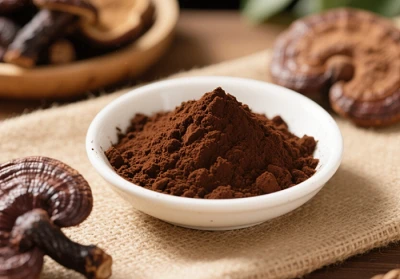
In the long history and profound culture of coffee, innovative elements have been continuously incorporated into it, promoting this global drink's continuous development and evolution. In recent years, a striking innovation highlight is the application of mushroom extracts, which has successfully penetrated the field of coffee production, bringing a new taste and experience to coffee lovers.

What are the common Mushroom extracts?
Common mushroom extracts come from the following mushrooms:
-Reishi Mushroom
-Shiitake Mushroom
-Lion's Mane mushroom
-Cordyceps Mushroom
-Grifola frondosa Mushroom
-Chaga Mushroom
...
Undersun Biomedtech has been working on the R&D of new ingredients from mushrooms for over 20 years since 2004 and they could supply kinds of mushroom extracts for different purposes.
At the same time, they are working on kinds of compound solutions for mushroom extracts.
Can Mushroom Powder or Extracts Be Used for Coffee?
As consumers become more health conscious, the global market demand for food and beverages containing specific health ingredients continues to increase, including immunity, digestion, sleep, cognition, etc. As a high-value-added ingredient, mushrooms can be added to food and beverages to make products more competitive in the market and attract health-conscious consumers.
Mushrooms not only have health potential but can also provide unique flavor and taste to food and beverages. The aroma and flavor of mushrooms can be combined with foods such as coffee, chocolate, and tea to create a novel taste experience.
As the name suggests, mushroom extracts are active ingredients extracted from various mushrooms. These ingredients include polysaccharides, proteins, amino acids, vitamins and minerals, each of which has unique biological activity and nutritional value. In the food industry, mushroom extracts are highly favored for their rich nutrition and unique taste, and are widely used in the seasoning and flavoring of various foods.
In the field of coffee production, the application of mushroom extracts can be called a revolutionary innovation. Traditional coffee production mainly relies on the roasting and grinding of coffee beans, while the addition of mushroom extracts injects new flavors and tastes into coffee. This new type of coffee retains the richness and mellowness of traditional coffee and adds a unique mushroom aroma, making people feel as if they are in the embrace of nature when tasting it, feeling the freshness of the forest and the deliciousness of mushrooms.
The application of mushroom extracts in coffee production also reflects the progress and innovation of modern food technology. Through in-depth research on the physiological activity and nutritional value of mushrooms, scientists have discovered that their extracts can undergo a wonderful chemical reaction with the ingredients in coffee beans to produce a new flavor and taste. This innovation not only enriches the variety and taste of coffee, but also brings more choices and fun to coffee lovers.
does mushroom coffee have caffeine
The caffeine content in mushroom coffee largely depends on the proportion of regular coffee to mushroom extract in the blend. Traditional coffee beans naturally contain caffeine, a stimulant that affects the central nervous system, providing the characteristic boost in alertness and energy levels. The average cup of coffee contains approximately 95 milligrams of caffeine, though this can vary based on the type of coffee bean and brewing method.
In mushroom coffee, the amount of caffeine can vary significantly depending on the brand and formulation. Here are the key factors that influence caffeine content:
Ratio of Coffee to Mushroom Extract: Some mushroom coffee blends may contain a higher proportion of coffee, resulting in a caffeine content similar to that of regular coffee. Others may have a lower coffee content, reducing the overall caffeine intake.
Type of Coffee Bean: The specific type of coffee bean used in the blend can also influence caffeine levels. For instance, Robusta beans generally contain more caffeine than Arabica beans.
Brewing Method: The way mushroom coffee is prepared can affect its caffeine content. Methods that involve longer brewing times or higher temperatures tend to extract more caffeine from the coffee beans.
Decaffeinated Options: For those looking to avoid caffeine, some brands offer decaffeinated mushroom coffee. These blends use coffee beans that have undergone a decaffeination process, significantly reducing or eliminating the caffeine content.
Mushroom coffee contains various levels of caffeine depending on its blend and brewing method, so to reduce caffeine intake look for mushroom extract-rich blends or decaffeinated varieties. No matter its caffeine content though, mushroom coffee offers numerous health benefits, from improved cognitive performance to immune support; making it a popular alternative among health-minded coffee drinkers looking for healthier beverages.
Mushroom Coffee: Health Benefits
Here are the health benefits of mushroom coffee.
Enhancing Mental Clarity and Focus: Lion's Mane mushrooms may improve mental clarity and cognitive function, and when combined with caffeine's mild stimulant effects can further increase productivity and focus.
Immune Support: Chaga and Reishi mushrooms contain potency compounds and antioxidants which provide vital support to boost your immunity against illnesses or infections.
Improved sleep and reduced stress: Reishi mushrooms are well known for their adaptogenic properties that can help manage stress in the body and promote restful sleeping patterns.
Cordyceps mushroom coffee has long been revered for its ability to boost physical performance and stamina, making it popular among athletes and fitness enthusiasts.
Welcome to contact us at herbext@undersun.com.cn if you need any solution for your coffee formulas.