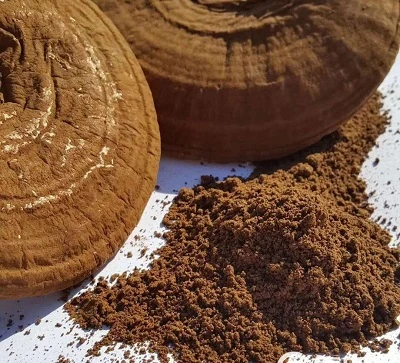
Pine bark extract and grape seed extract are two commonly used plant-based ingredients rich in polyphenols, especially proanthocyanidins. Both extracts possess antioxidant activity and are widely used in dietary supplements, functional foods, and cosmetic formulations.
However, pine bark extract and grape seed extract can differ significantly in their plant source, phytochemical composition, proanthocyanidin structure, extraction process, and formulation characteristics.
What Is Pine Bark Extract?
Pine bark extract is derived from the bark of pine trees (Pinus). Pine bark contains various polyphenolic compounds, among which proanthocyanidins are a major component of many commercially available pine bark extracts.
In addition to proanthocyanidins, pine bark also contains other phenolic compounds, which together constitute its overall phytochemical composition.
Due to its high polyphenol content, pine bark extract is frequently used in antioxidant-focused dietary supplements, functional formulations, and cosmetics.
What Is Grape Seed Extract?
Grape seed extract is obtained from the seeds of grapes, commonly Vitis vinifera. Grape seeds are particularly rich in polyphenols, including catechins, epicatechins, and oligomeric and polymeric proanthocyanidins.
What Are OPCs and Proanthocyanidins?
Grape seed extract and pine bark extract, including the proprietary products (pycnogenol) and Original OPC1s (OPCs), are brought to the attention of the CSWG because of widespread consumer use of these substances as dietary supplements.
Based on the structures of identified active ingredients, the phenolic compounds extracted from grape seeds and pine bark would not be expected to be genotoxic.
Indeed, the inventor of pycnogenol states that this product was tested in Salmonella typhimurium and was negative. Substantial health claims for grape seed and pine bark extracts, including some studies showing tumor inhibition, make them attractive materials for further study. Antioxidants, especially polyphenols, in red wine have been proposed as an important contributory factor to the protective effect of regular alcohol use against atherosclerotic cardiovascular disease. Grape seed and pine bark extracts may have the beneficial effects of red wine without its detrimental effects.
Because grape seed and pine bark extracts are dietary supplements, the government cannot compel the manufacturer to test the safety of these materials. Given their potential benefits, an independent demonstration of their safety appears warranted. It should be noted that the manufacturer of Original OPCs claims to have conducted some testing, but the
results were not available for our review.

Pine Bark Extract vs Grape Seed Extract: Key Differences
Although both extracts contain proanthocyanidins, their chemical profiles can vary considerably.
| Feature | Pine Bark Extract | Grape Seed Extract |
|---|---|---|
| Botanical source | Pine bark | Grape seeds |
| Common source species | Pinus spp. | Vitis vinifera |
| Main compounds | Proanthocyanidins and other phenolics | Proanthocyanidins, catechins, epicatechins and other polyphenols |
| OPC/PAC profile | Depends on pine species and extraction | Depends on grape variety and extraction |
| Polyphenol content | Generally high | Generally high |
| Antioxidant potential | High | High |
| Common applications | Supplements, cosmetics, functional formulations | Supplements, foods, beverages, cosmetics |
| Key quality factor | Standardization and botanical source | OPC/PAC specification and chemical profile |
Pine Bark Extract vs Grape Seed Extract: OPC Content
Both grape seed extract and pine bark are rich sources of the plant flavonoids PROANTHOCYANIDINS (OPCs). The OPCs are the pigment materials which give flavour, colour and aroma to many plants and fruits. The beneficial effects of pine bark were discovered in 1534 when sailors suffering from scurvy, survived by drinking tea made from the bark and needles of pine trees. Masquelier patented the method of extracting OPCs from pine bark in France in 1951 and from grape seeds in 1970. Grape seed extract typically contains 92-95% OPCs while the pine bark extracts vary from 80-85%.
Antioxidant Potential of OPC
COLLAGEN PROTECTION - OPCs effectively protect collagen structures in several ways. They reinforce the collagen matrix of connective tissue, protect against free radical damage, and inhibit collagen damage caused by inflammation and infection. OPCs have been shown to be effective in cases of psoriasis and the hyper-pigmentation disorder melasma (chloasma).
ANTIOXIDANT ACTIVITY - OPCs protect against free-radical damage, suggested to be a major cause of the ageing process. A major advantage of these molecules is that they are taken up into the cell membranes and protect against both water- and fat soluble free-radicals.
VENOUS SUPPORT - OPCs appear to improve blood circulation through collagen support and nitric oxide (NO) production.
VISUAL FUNCTION - CARDIO-PROTECTIVE - OPCs have also been shown to lower cholesterol levels, shrink the deposits in the arteries, inhibit platelet aggregation.

Which Is Better: Pine Bark Extract or Grape Seed Extract?
There is no universal winner between pine bark extract and grape seed extract.
Pine bark extract may be preferred when:
- A pine-derived botanical ingredient is required.
- The formulation focuses on polyphenol content.
- A standardized pine bark extract is desired.
- The product concept specifically calls for pine bark-derived proanthocyanidins.
Grape seed extract may be preferred when:
- A grape-derived botanical source is preferred.
- The formulation requires a proanthocyanidin-rich grape seed extract.
- Catechins, epicatechins, and other grape seed polyphenols are relevant to the formulation.
- The product is positioned around grape-derived botanical ingredients.
Frequently Asked Questions
1. Is pycnogenol the same as grape seed extract?
OPC's are also called "Pycnogenol"when they are derived from pine bark. The grape seed extract is slightly more potent and less expensive. You will see the terms Pycnogenol, OPC's, and grape seed extract used interchangeably.
2. Pine bark extract vs pycnogenol
Pycnogenol is a trademarked name for pine bark extract, and there is little to no difference between the two in terms of composition or effects. You might use pine bark extract or pycnogenol to help treat a variety of medical conditions, including chronic venous insufficiency, retinopathy or erectile dysfunction. Before you take pycnogenol or pine bark extract, consult your doctor to discuss the proper dosage and potential health risks.
3. What is the main difference between Pine Bark Extract (PBE) and Grape Seed Extract (GSE)?
GSE (Vitis vinifera) offers a high-concentration, cost-effective source of pure OPCs. PBE (Pinus pinaster) contains OPCs alongside unique phenolic acids (e.g., ferulic acid, taxifolin).
4. Can Pine Bark Extract and Grape Seed Extract be combined in a single formula?
Yes, but it is often redundant from a functional standpoint. Because their core mechanisms rely heavily on OPC-driven antioxidant pathways, combining them offers limited additive value.
For bulk wholesale nutraceutical pricing on Pine Bark Extract Powder or any other fruit, herb, marine, spice & vegetable powder and powdered extract, please contact your ER representative directly or submit a wholesale quote request, contact us at email: herbext@undersun.com.cn
References
Robertson, N. U., Schoonees, A., Brand, A., & Visser, J. Pine Bark (Pinus spp.) Extract for Treating Chronic Disorders. Cochrane Database of Systematic Reviews, 2020.
Rodríguez-Pérez, C., García-Villanova, B., Guerra-Hernández, E., & Verardo, V. Grape Seeds Proanthocyanidins: An Overview of In Vivo Bioactivity in Animal Models. Nutrients, 2019, 11(10), 2435.
Ma, Z., et al. Phytochemical Constituents, Health Benefits, and Industrial Applications of Grape Seeds: A Mini-Review. Antioxidants, 2017, 6(3), 71.
Wu, Q., et al. Chemical Investigation of Commercial Grape Seed Derived Products to Assess Quality and Detect Adulteration. Food Chemistry, 2014.