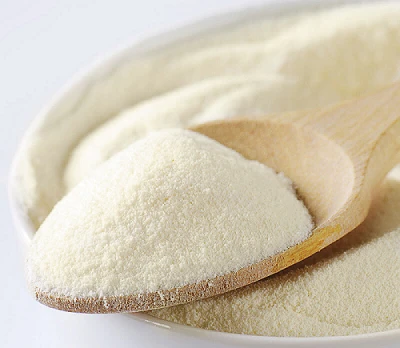
Larch arabinogalactan is a plant-derived polysaccharide obtained from the wood of larch trees. As interest in gut health continues to grow, larch arabinogalactan has attracted attention for its potential prebiotic properties. It can reach the large intestine without being fully digested in the upper digestive tract, where intestinal microorganisms may use it as a fermentation substrate.
In this article, we will explore the interaction between larch arabinogalactan and the gut microbiota, its potential digestive health benefits, and current research findings regarding its safety and applications.
What Is Larch Arabinogalactan and Why Is It Considered a Prebiotic Fiber?
Larch arabinogalactan is a soluble dietary fiber extracted from larch wood. Many people ask, is larch arabinogalactan an herb? Strictly speaking, it is a purified plant polysaccharide (a soluble fiber) rather than a whole dried herb or botanical tincture, though it comes from a tree.
It counts as a prebiotic fiber because human digestive enzymes do not break it down in the upper gut. Instead, it reaches the large intestine intact, where certain gut microbes ferment it and produce short-chain fatty acids like acetate, propionate, and butyrate.
For information regarding the botanical source and production process of larch arabinogalactan, please read: Larch Arabinogalactan: Botanical Sources and Extraction Process

How Does Larch Arabinogalactan Interact with Gut Microbiota?
The human gut contains a complex community of microorganisms. These include bacteria involved in carbohydrate fermentation, nutrient metabolism, and normal intestinal function. Some dietary fibers reach the large intestine and become substrates for microbial fermentation.
Larch arabinogalactan may be used by certain intestinal microorganisms. During fermentation, bacteria can produce short-chain fatty acids (SCFAs), including acetate, propionate, and butyrate. These metabolites are involved in intestinal energy metabolism and other physiological processes.
A randomized, double-blind, placebo-controlled crossover trial published in Nutrition in 2021 investigated the effects of arabinogalactan supplementation on the gut microbiome. Thirty healthy adults received either 15 g of arabinogalactan or a maltodextrin control daily for six weeks. The researchers observed changes in the relative abundance of several bacterial groups. Bacteroidetes increased, while Firmicutes decreased. Bifidobacterium also showed a tendency to increase. The study reported changes in predicted microbial functions, although these findings do not establish clinical benefits for specific digestive conditions.
This research provides human evidence that arabinogalactan can influence gut microbiome composition.
Does Larch Arabinogalactan Help Support Beneficial Gut Bacteria?
One reason consumers search for larch arabinogalactan prebiotic supplements is its potential interaction with beneficial gut bacteria.
A human study published in the Journal of the American College of Nutrition in 2001 examined the effects of Western larch arabinogalactan.
Twenty healthy adults received 15 g or 30 g of arabinogalactan daily during the study. The researchers observed increases in total fecal anaerobes and Lactobacillus species under the study conditions. They also reported a reduction in fecal ammonia levels.
These findings suggest that arabinogalactan can influence aspects of intestinal microbial activity.
When evaluating the question, "Does larch arabinogalactan help with bad bacteria in the gut?", it is important to understand the difference between supporting beneficial microorganisms and directly killing harmful bacteria. Current evidence does not establish larch arabinogalactan as an antibacterial treatment. Its potential role is better understood as a fermentable dietary fiber that interacts with the intestinal microbial community.
Can Larch Arabinogalactan Help with Constipation and Digestive Health?
Dietary fiber plays an important role in normal digestive function. Different fibers work through different mechanisms. Some absorb water and increase stool bulk, while others are fermented by gut bacteria. Larch arabinogalactan is a soluble, fermentable polysaccharide. Its interaction with intestinal microorganisms may contribute to digestive health.
Current human research does not establish larch arabinogalactan as a proven treatment for constipation.
In the 2021 gut microbiome trial, researchers did not find statistically significant changes in bowel habits or stool consistency after six weeks of supplementation. This is an important distinction between microbiome changes and measurable digestive outcomes.
For people interested in fiber supplementation, total daily fiber intake, hydration, and individual tolerance should also be considered. Persistent constipation or other digestive symptoms should be discussed with a healthcare professional.
How Does Larch Arabinogalactan Compare with Other Prebiotic Fibers?
Several soluble fibers are used in functional foods and dietary supplements. Their chemical structures, fermentation characteristics, and formulation properties differ.
| Ingredient | Main Source | Main Characteristics |
|---|---|---|
| Larch Arabinogalactan | Larch wood | Soluble, branched polysaccharide |
| Inulin | Chicory root | Fermentable fructan fiber |
| FOS | Plant sources or enzymatic production | Short-chain fermentable carbohydrates |
| GOS | Legumes or enzymatic production | Galactose-based oligosaccharides |
| Acacia Fiber | Acacia tree | Soluble dietary fiber |
| Psyllium | Plant seed husks | Water-absorbing fiber with gel-forming properties |
Larch arabinogalactan is an interesting option for manufacturers seeking a water-soluble fiber with relatively low viscosity. For more information, including details on the water solubility of larch arabinogalactan, please read: How Does Larch Arabinogalactan Affect Viscosity, Rheology, and Water Solubility?
Inulin and FOS are commonly used in prebiotic formulations. Psyllium is more suitable for applications where water absorption and stool-bulking properties are important. Acacia fiber is another ingredient that can be used in soluble fiber blends.
For dietary supplement manufacturers, combining different fiber sources may create additional formulation opportunities. Each combination should be evaluated for solubility, taste, stability, and digestive tolerance.
Is Larch Arabinogalactan Safe for People with SIBO?
Small intestinal bacterial overgrowth (SIBO) is a condition involving excessive bacteria in the small intestine. People with SIBO may experience bloating, abdominal discomfort, gas, and changes in bowel habits. Some individuals with SIBO are sensitive to fermentable carbohydrates. Since larch arabinogalactan is a fermentable dietary fiber, it may cause discomfort in sensitive individuals.
There is currently insufficient clinical evidence to confirm that larch arabinogalactan is suitable for everyone with SIBO. Its effects may depend on individual tolerance, serving size, digestive condition, and other dietary factors.
People with diagnosed SIBO should discuss fiber supplementation with a qualified healthcare professional.
Does Larch Arabinogalactan Affect Candida or Other Gut Microorganisms?
Candida is a genus of yeast that can naturally occur in different parts of the human body. Some species can cause infections when normal microbial balance or host defenses are disrupted.
Lab and microbiome discussions suggest that supporting beneficial bacteria and short-chain fatty acids may help maintain microbial balance, but strong clinical proof that larch arabinogalactan treats or clears Candida infections in humans is limited.
What Are the Potential Side Effects of Larch Arabinogalactan?
Larch arabinogalactan is a soluble dietary fiber. Its digestive effects can vary according to intake level and individual tolerance.
Possible complaints associated with fermentable fiber intake include:
- Gas.
- Bloating.
- Abdominal discomfort.
- Changes in bowel movements.
- Loose stools in sensitive individuals.
These effects are not inevitable and should not be interpreted as established adverse reactions in every user.
A human study published in Nutrition in 2021 investigated 15 g of arabinogalactan daily for six weeks. The researchers reported no statistically significant differences in gastrointestinal tolerance symptoms between the treatment and control groups.
This result provides useful evidence about short-term tolerance in healthy adults. It does not establish safety for every population or long-term use.

How Is Larch Arabinogalactan Used in Dietary Supplements?
Larch arabinogalactan is available as a raw material for dietary supplement manufacturers. Its water solubility, polysaccharide composition, and relatively low viscosity make it suitable for several product formats.
Powdered Fiber Supplements: Manufacturers can use larch arabinogalactan as a standalone soluble fiber ingredient or combine it with other dietary fibers.
Prebiotic Supplement Formulations: It can be included in products designed around dietary fiber and prebiotic positioning.
Functional Beverages: Its water solubility supports its use in selected powdered drink mixes and liquid nutritional products.
Capsules and Tablets: Powdered larch arabinogalactan can be incorporated into solid dosage forms.
Source Bulk Larch Arabinogalactan for Dietary Supplement Formulations
Are you developing a prebiotic fiber supplement, functional beverage, or gut health formulation?
We supply wholesale larch arabinogalactan powder(≥98%) for dietary supplement manufacturers, ingredient distributors, and formulation companies.
Contact us to request a quotation, TDS, latest batch COA, SDS, and samples for laboratory evaluation. We welcome inquiries for both trial orders and long-term bulk supply.
References
Chen, O., Sudakaran, S., Blonquist, T., Mah, E., Durkee, S., and Bellamine, A. Effect of Arabinogalactan on the Gut Microbiome: A Randomized, Double-Blind, Placebo-Controlled, Crossover Trial in Healthy Adults. Nutrition, 2021.
Kelly, G. S. Larch Arabinogalactan: Clinical Relevance of a Novel Immune-Enhancing Polysaccharide. Alternative Medicine Review, 1999.
Marett, R., and Slavin, J. L. Effects of Dietary Arabinogalactan on Gastrointestinal and Blood Parameters in Healthy Human Subjects. Journal of the American College of Nutrition, 2001.
Marett, R., and Slavin, J. L. No Long-Term Benefits of Supplementation with Arabinogalactan on Serum Lipids and Glucose. Journal of the American Dietetic Association, 2004.
Dion, C., Chappuis, E., and Ripoll, C. Does Larch Arabinogalactan Enhance Immune Function? A Review of Mechanistic and Clinical Trials. Nutrition & Metabolism, 2016.
Riede, L., Grube, B., and Gruenwald, J. Larch Arabinogalactan Effects on Reducing Incidence of Upper Respiratory Infections. Current Medical Research and Opinion, 2013.